Last Updated on 5 February 2025 by Vanessa
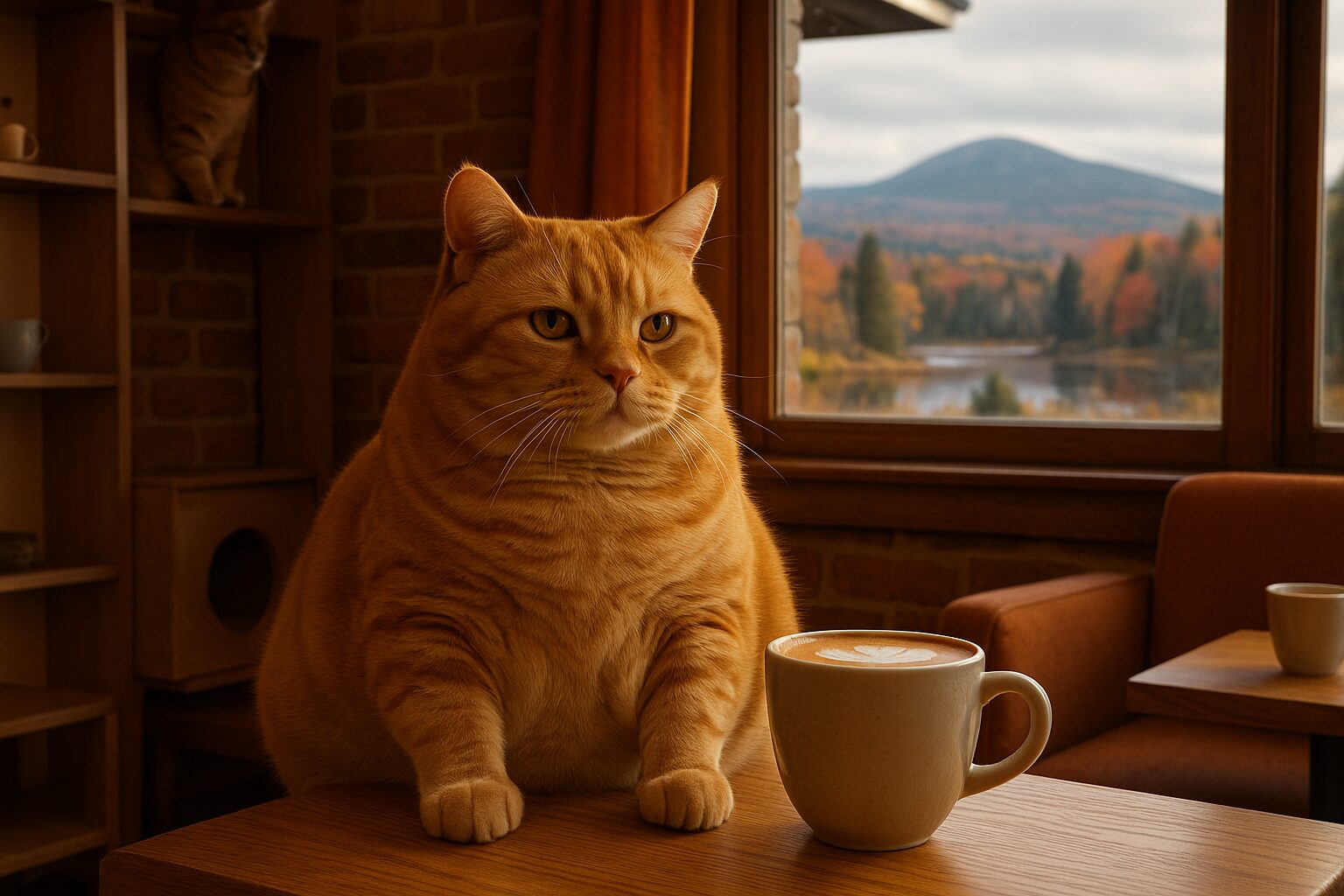
Isn’t “whiskers” just the most adorable word ever?
It’s so cute that loads of authors have stuck it in their novel titles – Drinks and Whiskers, Careless Whiskers, Gone With The Whisker, Whisker of a Doubt, Whiskers and Wonders, Whiskers and Wisdom… Don’t those titles make you want to read them all?
Even cat cafes are in on it, with names like Java Whiskers, The Witty Whisker, Whiskers and Cream, Crumbs and Whiskers…
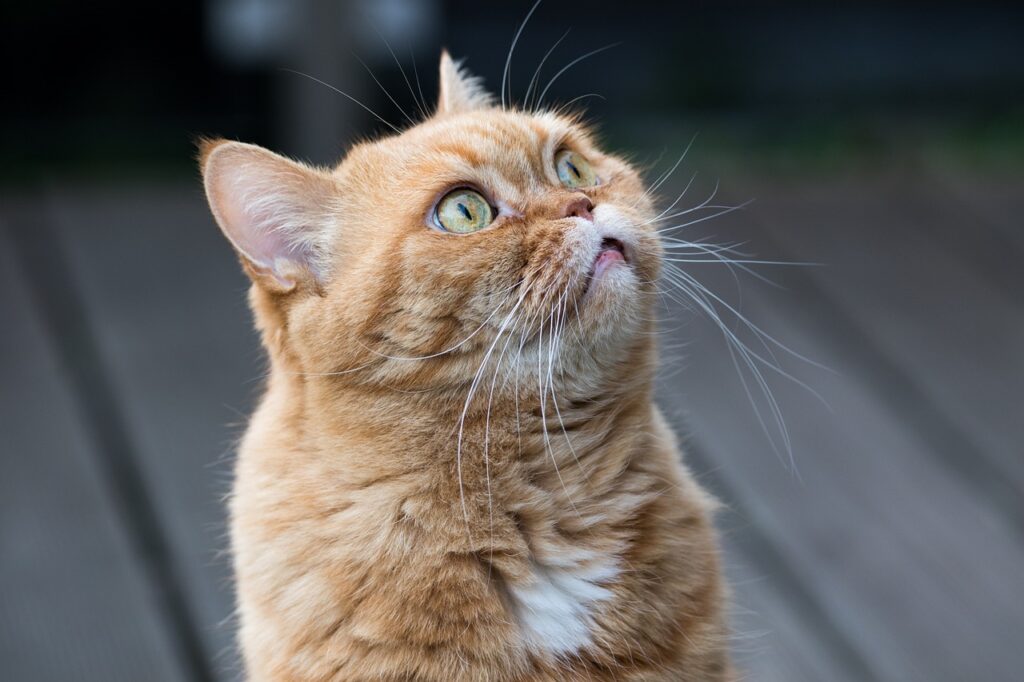
And let’s not forget the actual whiskers on cats – they make their faces even more adorable and charming.
If you’re like me, you’ve probably wondered how to say “whiskers” in other languages. How do you say whiskers in Spanish or French, for example?
No worries, finding out the translation for “whiskers” in over 100 languages is just “a whisker away.” Let’s get started.
How to say Whiskers in 100+ different languages?

Spanish: Bigotes
Where to say it: Spain, Mexico, most of Latin America
How to pronounce it: bee-go-tes
French: Moustaches
Where to say it: France, Canada (primarily Quebec), various African countries, parts of the Caribbean
How to pronounce it: moo-stash
Italian: Baffi
Where to say it: Italy, Switzerland (Ticino), parts of Croatia and Slovenia
How to pronounce it: bahf-fee
German: Schnurrhaare
Where to say it: Germany, Austria, Switzerland, Belgium, Liechtenstein
How to pronounce it: shnoor-hah-reh
Portuguese: Bigodes
Where to say it: Portugal, Brazil, several African countries
How to pronounce it: bee-goh-dees
Mandarin Chinese: 胡须 (Húxū)
Where to say it: China, Taiwan
How to pronounce it: hoo-shoo
Japanese: ひげ (Hige)
Where to say it: Japan
How to pronounce it: hee-geh
Korean: 수염 (Suyeom)
Where to say it: South Korea, North Korea
How to pronounce it: soo-yuhm
Russian: Усы (Usy)
Where to say it: Russia, many countries in the former Soviet Union
How to pronounce it: oo-si
Arabic: شوارب (Shawarib)
Where to say it: Across the Arab world, parts of Africa and Asia
How to pronounce it: sha-wa-rib
Hindi: मूँछ (Mooch)
Where to say it: India
How to pronounce it: mooh-ch
Bengali: মুচ্ছি (Mucchhi)
Where to say it: Bangladesh, India
How to pronounce it: moochh-hee
Urdu: مونچھ (Mooch)
Where to say it: Pakistan, India
How to pronounce it: mooch
Turkish: Bıyık
Where to say it: Turkey
How to pronounce it: bee-yuhk
Persian (Farsi): سبیل (Sobol)
Where to say it: Iran, Afghanistan, Tajikistan
How to pronounce it: soh-bol
Dutch: Snorharen
Where to say it: Netherlands, Belgium, Suriname
How to pronounce it: snor-hah-ren
Polish: Wąsy
Where to say it: Poland
How to pronounce it: vonsi
Ukrainian: Вуса (Vusa)
Where to say it: Ukraine
How to pronounce it: voo-sa
Czech: Vousy
Where to say it: Czech Republic
How to pronounce it: vow-si
Slovak: Fúzy
Where to say it: Slovakia
How to pronounce it: foo-zi
Hungarian: Bajuszszőrzet
Where to say it: Hungary
How to pronounce it: byoos-sus-seh-zor-zet
Romanian: Mustăți
Where to say it: Romania , Moldova
How to pronounce it: moo-stahts
Greek: Γένια (Génia)
Where to say it: Greece, Cyprus
How to pronounce it: yeh-nya
Swedish: Morrhår
Where to say it: Sweden
How to pronounce it: mor-hor
Norwegian: Barter
Where to say it: Norway
How to pronounce it: bahr-ter
Danish: Whiskers (Danish often uses the English term)
Where to say it: Denmark
How to pronounce it: vees-kerz
Finnish: Viikset
Where to say it: Finland
How to pronounce it: vee-ik-set
Icelandic: Vör
Where to say it: Iceland
How to pronounce it: vor
Scottish Gaelic: Fàileadh-beag
Where to say it: Scotland
How to pronounce it: faa-leh-uh beh-uhk
Irish: Smig
Where to say it: Ireland
How to pronounce it: smig
Welsh: Cribell
Where to say it: Wales
How to pronounce it: kree-bel
Catalan: Bigoti
Where to say it: Catalonia (Spain), Andorra, Italy, France
How to pronounce it: bee-go-tee
Basque: Mizpahi
Where to say it: Basque Country (Spain, France)
How to pronounce it: meez-pa-hee
Galician: Bigotes
Where to say it: Galicia (Spain)
How to pronounce it: bee-go-tes
Serbian: Брчићи (Brčići)
Where to say it: Serbia, Bosnia and Herzegovina, Montenegro
How to pronounce it: brh-chee-chi
Croatian: Brčići
Where to say it: Croatia
How to pronounce it: brh-chee-chi
Bosnian: Brčići
Where to say it: Bosnia and Herzegovina
How to pronounce it: brh-chee-chi
Slovenian: Brk
Where to say it: Slovenia
How to pronounce it: bur-kee
Macedonian: Брчки (Brčki)
Where to say it: North Macedonia
How to pronounce it: brh-chee
Albanian: Bredha
Where to say it: Albania, Kosovo
How to pronounce it: bred-ha
Bulgarian: Бакенбарди (Bakenbardi)
Where to say it: Bulgaria
How to pronounce it: bah-ken-bar-dee
Lithuanian: Šikšnosparnis
Where to say it: Lithuania
How to pronounce it: shiks-no-spar-nis
Latvian: Bārda
Where to say it: Latvia
How to pronounce it: bar-da
Estonian: Vurrud
Where to say it: Estonia
How to pronounce it: voor-rood
Maltese: Ferita
Where to say it: Malta
How to pronounce it: feh-ree-ta
Malagasy: Sisika
Where to say it: Madagascar
How to pronounce it: see-see-kah
Swahili: Manyoya
Where to say it: East Africa
How to pronounce it: ma-nyo-ya
Hausa: Tsumbura
Where to say it: West Africa (Nigeria, Niger)
How to pronounce it: tsoom-boo-ra
Yoruba: Ìkùn
Where to say it: Nigeria
How to pronounce it: ee-koon
Igbo: Àkpà
Where to say it: Nigeria
How to pronounce it: ah-kpa
Zulu: Izingwe
Where to say it: South Africa
How to pronounce it: ee-zing-we
Xhosa: Izingwe
Where to say it: South Africa
How to pronounce it: ee-zing-we
Afrikaans: Snorhare
Where to say it: South Africa, Namibia
How to pronounce it: snor-ha-re
Tamil: கவரம் (Kavaram)
Where to say it: India, Sri Lanka, Singapore, Malaysia
How to pronounce it: ka-va-ram
Telugu: మూసలు (Musalu)
Where to say it: India
How to pronounce it: moo-sa-lu
Kannada: ಅಲಂಕಾರದ ಬೇಡ (Alankarada Beḍa)
Where to say it: India
How to pronounce it: a-lan-ka-ra-da be-da
Malayalam: മുച്ച (Mucca)
Where to say it: India
How to pronounce it: mooch-cha
Punjabi: ਦਾੜ (Daṛṛ)
Where to say it: India, Pakistan
How to pronounce it: dar
Gujarati: વ્હિસ્કર (Vhiskar)
Where to say it: India
How to pronounce it: vis-kar
Marathi: मुंडवां (Mundvāṁ)
Where to say it: India
How to pronounce it: mund-va
Assamese: মোউ (Mow)
Where to say it: India
How to pronounce it: mow
Nepali: मुस्टाक (Mustaak)
Where to say it: India, Nepal
How to pronounce it: mus-taak
Sinhala: රාහුල (Rahulu)
Where to say it: Sri Lanka
How to pronounce it: ra-hoo-la
Burmese: နွား (Nwa)
Where to say it: Myanmar (Burma)
How to pronounce it: nwa
Khmer: សក់ (Saok)
Where to say it: Cambodia
How to pronounce it: saok
Laotian: ນົກສະຫວາດ (Nok Sawaad)
Where to say it: Laos
How to pronounce it: nok sa-waad
Vietnamese: Râu Mèo
Where to say it: Vietnam
How to pronounce it: rao-meo
Thai: หนวด (Nŭat)
Where to say it: Thailand
How to pronounce it: nuat
Indonesian: Kumis
Where to say it: Indonesia
How to pronounce it: koo-mis
Tagalog: Bigote
Where to say it: Philippines
How to pronounce it: bee-go-te
Malay: Misai
Where to say it: Malaysia, Indonesia, Brunei
How to pronounce it: mi-sai
Javanese: Kumis
Where to say it: Java (Indonesia)
How to pronounce it: koo-mis
Sudanese: Kumiis
Where to say it: Sudan (Indonesia)
How to pronounce it: koo-miis
Balinese: Kumis
Where to say it: Bali (Indonesia)
How to pronounce it: koo-mis
Hmong: Cog
Where to say it: China, Vietnam, Laos, Thailand
How to pronounce it: chaw
Mongolian: Цус (Tsus)
Where to say it: Mongolia
How to pronounce it: tsoos
Tibetan: རླུང་ཀོང (Lungkong)
Where to say it: Tibet (China)
How to pronounce it: lung-kong
Uighur: ئۇشقاق (Ushqak)
Where to say it: Xinjiang (China), Central Asia
How to pronounce it: oosh-khak
Kazakh: Шақал (Shaqal)
Where to say it: Kazakhstan
How to pronounce it: sha-kal
Kyrgyz: Шакал (Shakal)
Where to say it: Kyrgyzstan
How to pronounce it: sha-kal
Tajik: Кушок (Qushoq)
Where to say it: Tajikistan
How to pronounce it: koo-shok
Turkmen: Boýun
Where to say it: Turkmenistan
How to pronounce it: bo-yun
Uzbek: Bo’yun
Where to say it: Uzbekistan
How to pronounce it: bo-yun
Azerbaijani: Şaqal
Where to say it: Azerbaijan
How to pronounce it: sha-kal
Georgian: მახარჯა (Maxarja)
Where to say it: Georgia
How to pronounce it: ma-khar-ja
Armenian: Գազակ (Gazak)
Where to say it: Armenia
How to pronounce it: ga-za-k
Assyrian Neo-Aramaic: ܣܛܪܐ (Sṭara)
Where to say it: Iraq, Syria, Iran, Turkey
How to pronounce it: sṭa-ra
Hebrew: שַׂפָּם (Safam)
Where to say it: Israel
How to pronounce it: sa-fam
Amharic: ወንጌል (Wengele)
Where to say it: Ethiopia
How to pronounce it: wen-ge-le
Tigrinya: ነኸር (Nekher)
Where to say it: Eritrea, Ethiopia
How to pronounce it: ne-kher
Oromo: Dhukkuba
Where to say it: Ethiopia
How to pronounce it: doo-koo-ba
Somali: Dhuxul
Where to say it: Somalia
How to pronounce it: doo-khul
Afar: Quraac
Where to say it: Djibouti, Eritrea, Ethiopia
How to pronounce it: koo-raach
Hawaiian: Lālāmuku
Where to say it: Hawaii
How to pronounce it: lah-lah-moo-koo
Kanuri: Kafi
Where to say it: Nigeria, Niger
How to pronounce it: ka-fee
Tamashek (Tuareg): Takubar
Where to say it: Mali, Niger, Algeria, Libya, Burkina Faso
How to pronounce it: ta-koo-bar
Shona: Mati
Where to say it: Zimbabwe
How to pronounce it: ma-tee
Ndebele: Izingwe
Where to say it: Zimbabwe, Zambia
How to pronounce it: ee-zing-we
Chewa (Chichewa): Zimba
Where to say it: Malawi, Zambia, Mozambique
How to pronounce it: zim-ba
Oshiwambo: Omukongo
Where to say it: Namibia
How to pronounce it: o-mu-kon-go

Whiskers Q&A
What are whiskers for?
A cat’s whiskers are also called vibrissae. They are deeply embedded in the cat’s body and are connected to the nervous system, providing valuable information about their surroundings.
Whiskers are highly sensitive and can detect changes in air currents, helping cats navigate in low-light environments and avoid obstacles. They play a vital role in spatial awareness, allowing cats to gauge the width of openings and assess whether they can fit through spaces comfortably.
They can also convey a cat’s emotional state; when a cat is content or curious, their whiskers are often relaxed and forward, while a frightened or agitated cat may pull them back.
What are whiskers made of?
Whiskers are made of keratin, the same protein that forms the basis of human hair and nails.
Are whiskers hair?
Yes, whiskers are a type of hair, although they are thicker and more deeply embedded than the fur on the rest of a cat’s body.
Do whiskers help a cat smell?
Whiskers do not directly contribute to a cat’s sense of smell. Instead, a cat’s sense of smell is primarily associated with its nose.
Is it ok to trim a cat’s whiskers?
No, it is not okay to remove a cat’s whiskers. Whiskers are crucial for a cat’s navigation and sense of space. They are deeply embedded in the cat’s nervous system and cutting or removing them can disorient and stress the cat. It can lead to discomfort, anxiety, and negatively impact the cat’s overall well-being.
Can whiskers grow back?
Yes, a cat’s whiskers can grow back if they are trimmed or accidentally cut.
Do all cats have the same length of whiskers?
No, not all cats have the same length of whiskers. The length of a cat’s whiskers can vary among individual cats and even among different breeds. Some cat breeds may have longer or shorter whiskers depending on their genetics, and within a single litter of kittens, you may observe variations in whisker length.
Do different cat breeds have distinct whisker characteristics?
While there can be some variation in whisker length and thickness among cat breeds, it’s not always a defining characteristic. In general, a cat’s whiskers are proportionate to the width of its body, regardless of breed. However, there are some distinctive features in certain breeds. For example, some breeds may have more prominent facial structures, which could affect the appearance of their whiskers. Additionally, individual variation within a breed is common, so two cats of the same breed may still have slightly different whisker characteristics.
Can a cat’s whiskers change in length or thickness over time?
No, a cat’s whiskers typically do not change in length or thickness over time. They have a set length and thickness determined by the cat’s genetics. While whiskers can shed and regrow, the new ones will generally be of similar length and thickness to the original ones. Changes in a cat’s overall health, diet, or environment can affect the condition of the whiskers, but these factors are more likely to influence the whiskers’ appearance, not their fundamental length or thickness.
Conclusion – Saying Whiskers in 100 different languages
Delving into the term “whiskers” across 100 languages has been an intriguing journey, but it’s essential to recognize that our linguistic exploration barely scratches the surface. With approximately 7,000 languages spoken globally, linguistic diversity is vast and varied, distributed across diverse regions and communities with varying degrees of fluency. Some languages boast millions of speakers, thriving and evolving, while others teeter on the brink of endangerment or extinction. The dynamic nature of languages means that they can evolve, fade away, or even emerge anew through diverse linguistic and social dynamics over time.
Read next:
How to say Meow in 100 different languages + pronunciations (2023)
How to say Purr in 100 different languages + pronunciations (2023)
How to say Cat in 100 different languages + pronunciations (2023)

English version / version française
Pin this article on how to say Whiskers in 100 different languages!