Skip to content
Last Updated on 16 March 2026 by Vanessa
Are you looking for unusual things to do in Cairo? Skip some of the typical tourist attractions and explore the city through the eyes of its feline residents. From off-the-beaten-path museums and lively neighborhoods to pyramids where felines roam in abundance, these 11 experiences let you explore Cairo like an insider.
Pack your camera, follow the tails, and discover the city’s most unique sights that most traveler’s miss.
11 unusual things to do in Cairo if you love cats

How to get around Cairo: metro, taxis, and buses
Metro
The metro is the fastest and most reliable way to get around. It covers key areas like downtown, Giza, and Heliopolis, and it’s very cheap.
However, be ready for crowds during rush hours, and note that while some stations have English signs, most information is in Arabic.
Bus
Buses are also very cheap, but they are also chaotic, crowded, and confusing if you don’t know the routes. Most people find them challenging unless they have a local guide.
Uber and taxis
Taxis are also an easy way to get around Cairo, but traffic is notoriously heavy and unpredictable, and driving behavior can be aggressive, with frequent lane changes, honking, and minimal adherence to traffic rules. Uber and Careem are generally safer and more reliable than regular taxis.
Guided tours
Guided tours are highly recommended for major attractions like the pyramids at Giza, the Egyptian Museum, Saqqara, or a Nile cruise.
Grand Egyptian Museum
The Grand Egyptian Museum in Cairo belongs on every traveler’s itinerary, especially if you care about history, culture, and once-in-a-lifetime experiences. The museum holds more than 120,000 ancient artifacts, making it one of the most important collections in the world.
Inside the museum, you’ll find the legendary treasures of King Tutankhamun, including his iconic golden mask and objects recovered from his tomb. You can also see an extraordinary collection of royal mummies, with famous pharaohs like Ramses II and Hatshepsut on display. Each gallery offers a deeper look into daily life in ancient Egypt, from religion and art to rituals that shaped the civilization.
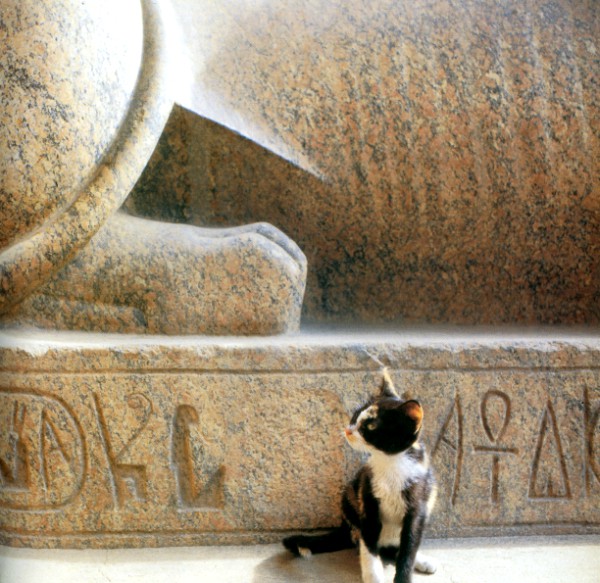
The museum also has a notable population of stray cats. You can spot them in the museum’s exterior courtyards and public spaces.
📍 To make the most of your visit, book Grand Egyptian Museum tickets with an optional guide and hotel transfer. It saves time, adds expert insight, and turns a busy museum visit into a smooth, stress-free experience.
🐱 Related: 15 cat museums every feline fan needs to visit.
Khan al-Khalili
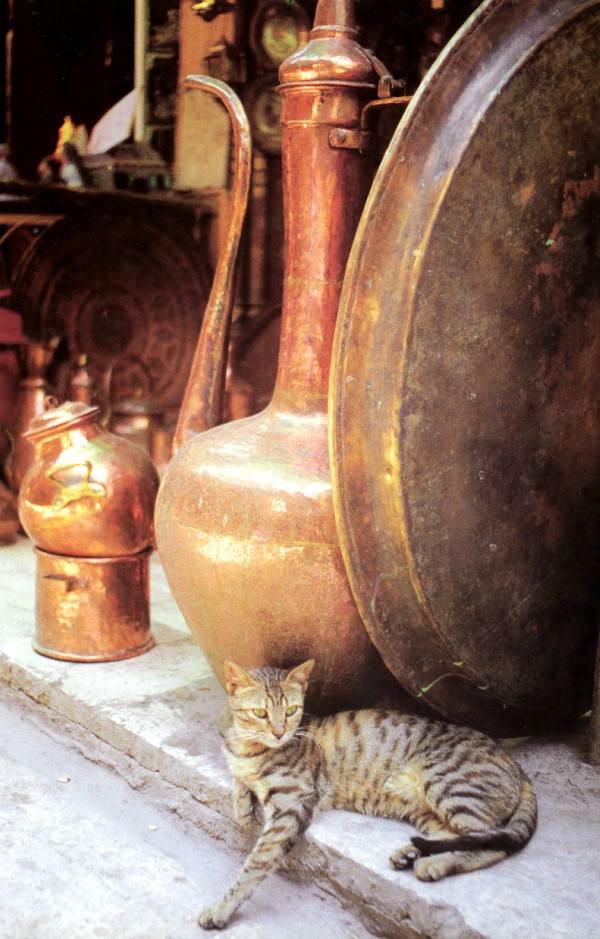
Khan el-Khalili is Cairo’s most iconic market. This historic bazaar dates back to the 14th century and still buzzes with energy today. Narrow alleys overflow with spice sellers, perfume shops, lanterns, jewelry, textiles, and handcrafted souvenirs. Every turn offers color, sound, and movement.
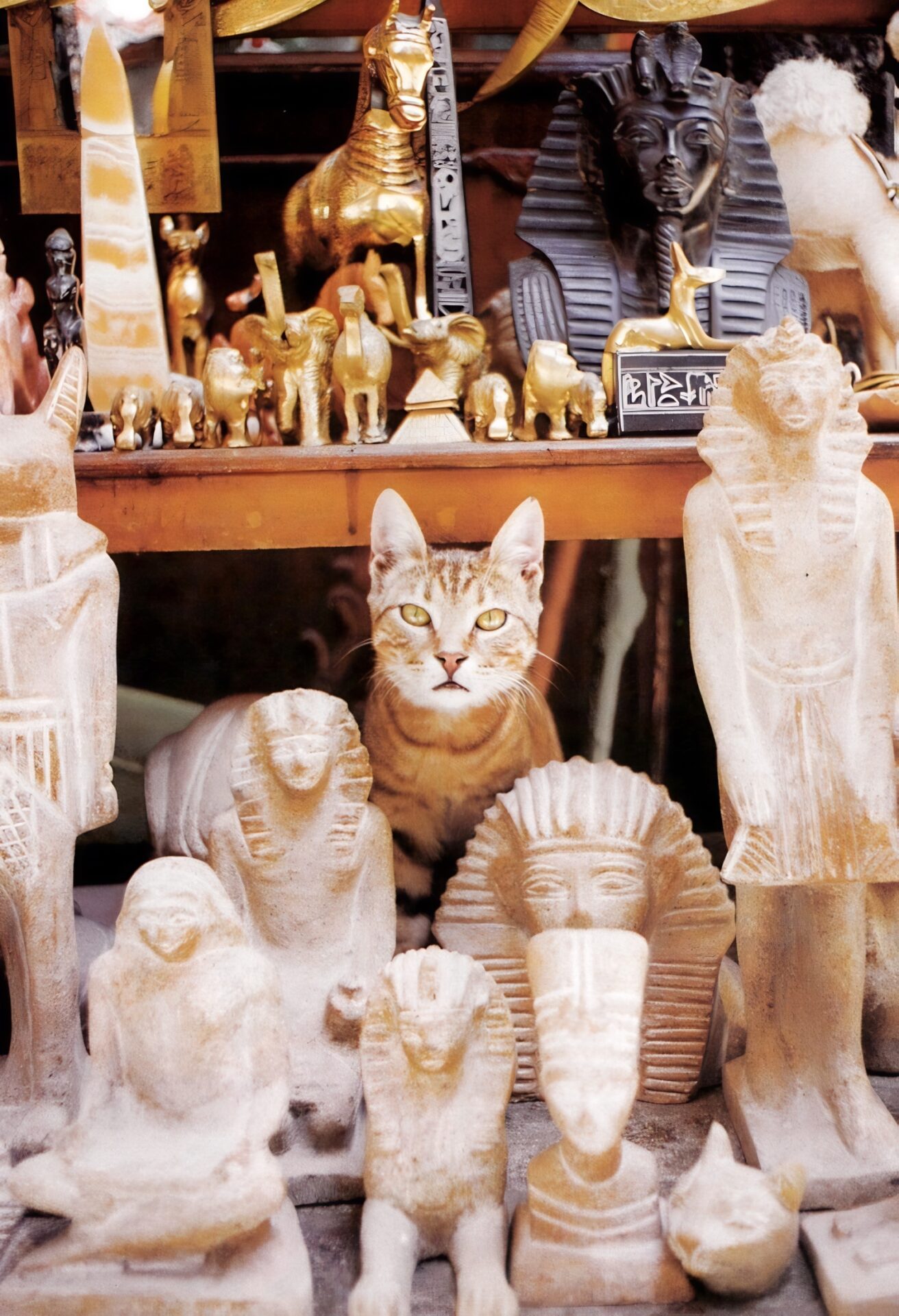
Wandering the market feels like stepping into a living piece of history. Vendors call out from tiny stalls, the scent of incense hangs in the air, and cats slip between shop displays as if they own the place. The scale can feel overwhelming, especially for first-time visitors, but that’s part of the experience.
📍For a smoother and more rewarding visit, book a private shopping tour of Khan el-Khalili. A local guide helps you navigate the maze, find quality items, avoid tourist traps, and negotiate fair prices—while you focus on enjoying the market instead of managing the chaos.
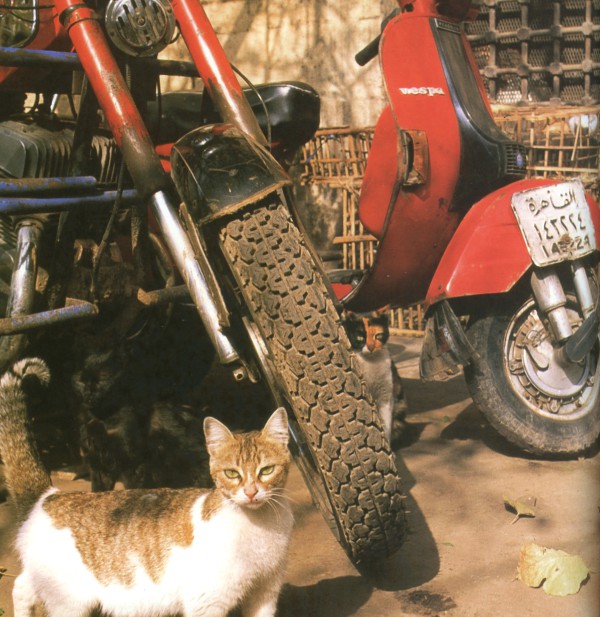
Bab al-Louk
Bab al-Louk sits in the heart of central Cairo and buzzes with movement. Shops, cafés, and food stalls line the sidewalks, creating a lively, lived-in atmosphere.
The neighborhood takes its name from the Bab al-Louk Gate, built during the Ottoman era in the 16th century. The gate is still a reminder of Cairo’s architectural past, except that now, modern life unfolds around it.
You can walk through the narrow streets, listen to the sounds of local commerce, and watch cats weave through the crowds as if they’ve always belonged here.
It’s a very unique and historic neighborhood, far removed from the polished tourist zones.
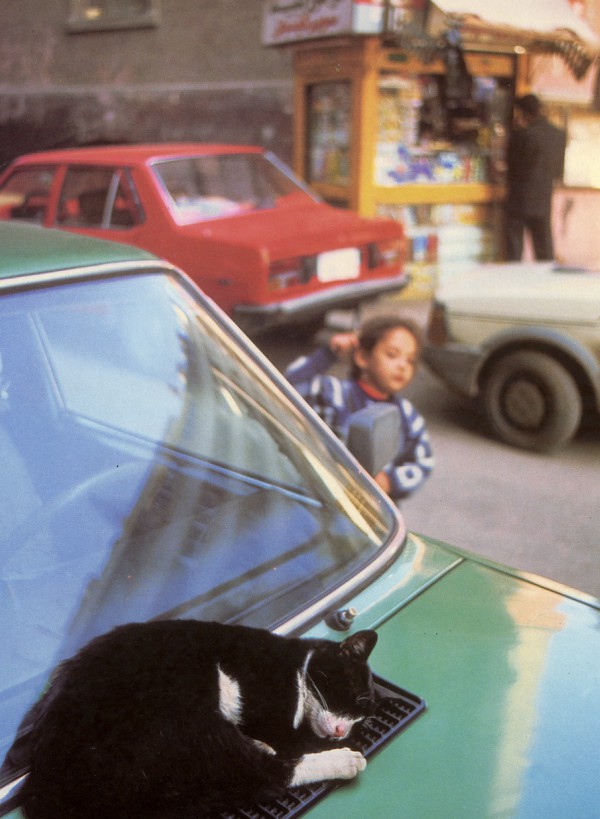
If you want to see even more cats, walk along Sharia ‘Abu ‘Alam, also in the Bab al-Louk district.
The street stays busy most of the day, yet the cats move through it with complete confidence. You’ll spot them stretched out on shop thresholds, slipping between parked cars, or watching the crowds from low walls.
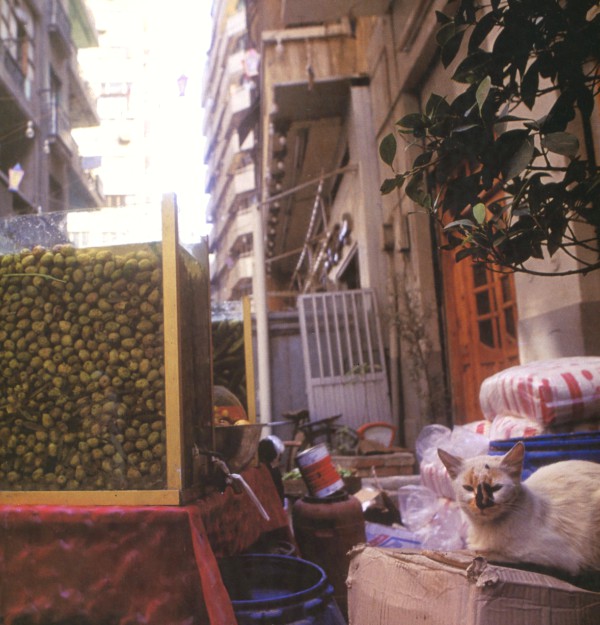
A short walk away, Al-Nurriya Coffeeshop offers a quieter pause. Founded in 1890, it is one of Bab al-Louk’s long-standing gathering places.
Inside, you’ll find tiled walls, wooden benches, and the steady routine of locals stopping in for Turkish coffee. The coffee arrives strong and simple, often with dates or small sweets on the side.
Cats drift in and out, unbothered.
Sit here long enough and the street outside fades into the background, leaving you with coffee, conversation, a few cats, and a slow-moving slice of Cairo life.
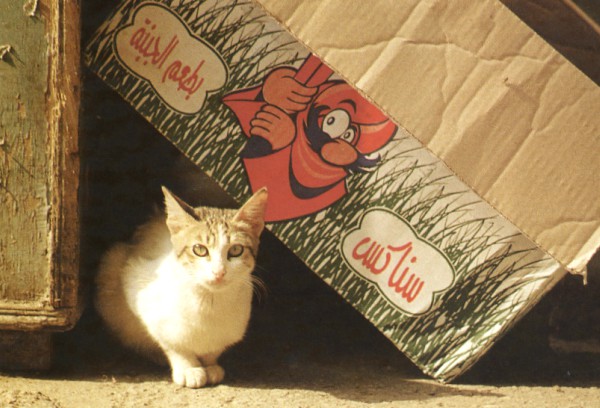
Sharia Bur Said
Sharia Bur Said runs through central Cairo and stays busy from early morning until late at night. Traffic moves slowly, vendors line the sidewalks, and people pass through with purpose.
The street takes its name from Ferdinand de Lesseps, the French diplomat who oversaw the construction of the Suez Canal.
At its northern end sits Ramses Train Station, which serves as a gateway to many other parts of Egypt.
Shops, small cafés, and food counters cluster nearby, serving commuters, drivers, and locals who stop briefly before moving on.

Cats rest near storefronts, watch foot traffic, or wait close to food stalls.
Sharia Bur Said works best as a place to observe how Cairo moves. It’s a great spot for both locals and tourists to explore.
Whether you’re looking for a quick bite to eat or some retail therapy, Sharia Bur Said is definitely worth a visit during your time in Cairo.

Dokki
This lively district on the western bank of the Nile River offers a unique glimpse into the daily life of Cairo’s residents, both human and feline.
One of the main attractions in Dokki is the Cairo Opera House, on the southern edge of the district. This stunning building features a modernist design and hosts a variety of cultural events, including ballet, opera, and concerts.
Dokki is also home to many restaurants serving traditional Egyptian cuisine, as well as international options. You can enjoy everything from kebabs and falafel sandwiches to gourmet pizza and even sushi.
Additionally, Dokki offers easy access to other parts of Cairo, with several metro stations located within the district. Overall, Dokki is a must-visit destination for anyone looking to experience Cairo’s vibrant culture.
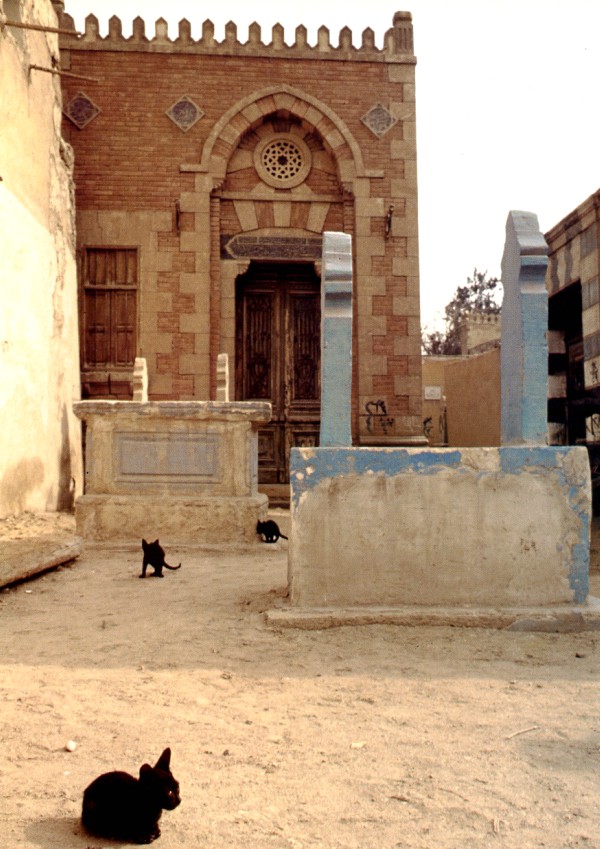
Mausoleum of Sultan Qa’it Bay in the City of the Dead
The mausoleum of Sultan Qa’it Bay is a stunning example of Mamluk architecture located in the City of the Dead, a historic cemetery in Cairo.
Sultan Qa’it Bay, a sultan of the Mamluk dynasty, built it in the 15th century. The mausoleum is now known for its intricate stonework and beautiful domed roof. It is a peaceful and solemn place, perfect for reflecting on the rich history and culture of Cairo.
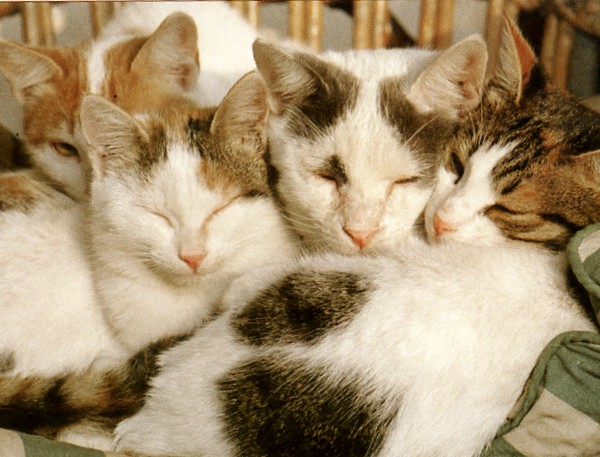
Villa #74 Road 15, Maadi
This historic villa in Maadi is well-known for its unique architecture. It was built in the early 20th century, during the heyday of Egypt’s cosmopolitan era. The building is a prime example of the eclectic mix of styles that were popular at the time, combining elements of Art Nouveau, Islamic, and Western design.
In recent years, Villa #74 has become a hub for the arts and cultural activities in Maadi. It has been restored to its former glory and now serves as a center for exhibitions, performances, and workshops. You can explore the villa’s various rooms, each with beautiful artwork, antiques, and other artifacts.

Outskirts of Giza, near the pyramids
The outskirts of Giza, near the pyramids, offer a glimpse into the more rural side of Egypt. The area is dotted with small villages and farmland, where locals tend to crops of wheat and sugarcane.
Despite being only a stone’s throw away from one of the world’s most famous tourist attractions, the outskirts of Giza feel like a world away from the hustle and bustle of the city.
It’s the perfect place to take a break from the chaos of Cairo and enjoy a peaceful countryside setting, while still being able to see the pyramids towering in the distance.
Along the roads leading to the pyramids, vendors sell souvenirs and snacks, and there are plenty of opportunities for horseback or camel riding.
If you’re looking for a more immersive experience, there are also a number of homestays and traditional guesthouses in the surrounding villages.
📍 Book this half-day tour to the Pyramids of Giza and the Sphinx if you want a focused experience without giving up your entire day.
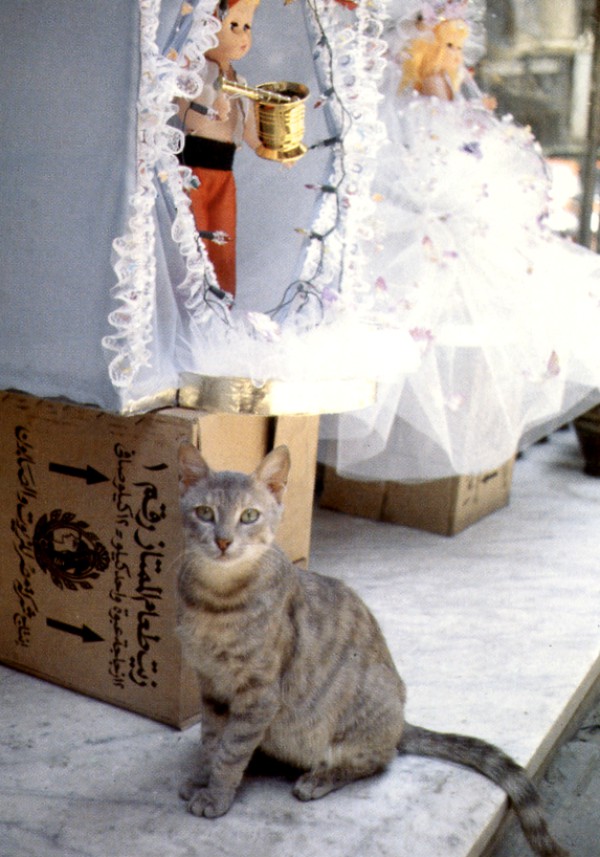
Ataba
Ataba is a bustling commercial district in the heart of Cairo, known for its vibrant markets, shops, and street vendors selling a wide range of goods. Among the many sights and sounds of Ataba, you will notice many cats that have taken up residence in the shops and alleys.
These shop cats have become a fixture of Ataba’s commercial landscape. They lounge in shop windows, sleep on stacks of merchandise, and even greet you as you enter stores. The shop owners often feed and care for these cats because they consider them to be a symbol of good luck.
Despite their seemingly relaxed and carefree existence, these shop cats also play an important role in Ataba’s ecosystem. They keep rodents and other pests at bay, thus helping to keep the shops and streets clean and hygienic.
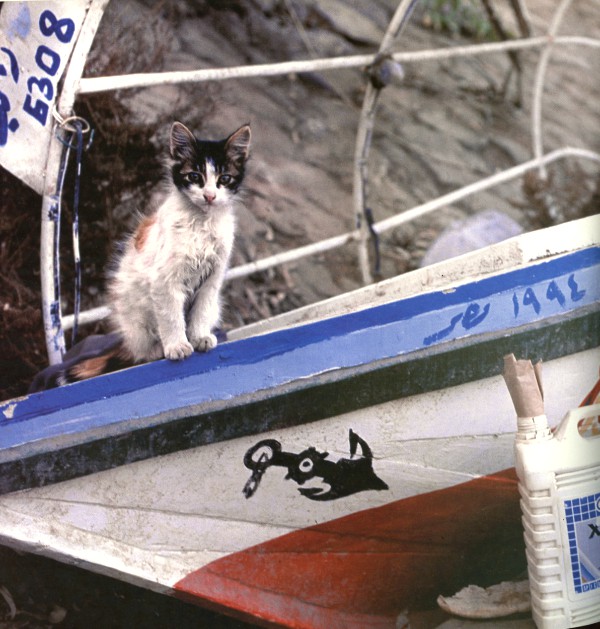
Banks of the Nile River in Zamalek
Zamalek is an upscale neighborhood on an island in the middle of the Nile River in Cairo. The area is known for its luxurious residences, high-end shops, and trendy restaurants.
But Zamalek is also home to a thriving population of cats.
These felines can be seen lounging on balconies, playing in the streets, and hunting for prey along the banks of the Nile. They are often well-fed and cared for by the residents of the area, who have a deep love and respect for these animals.
Mosque of Ibn Tulun
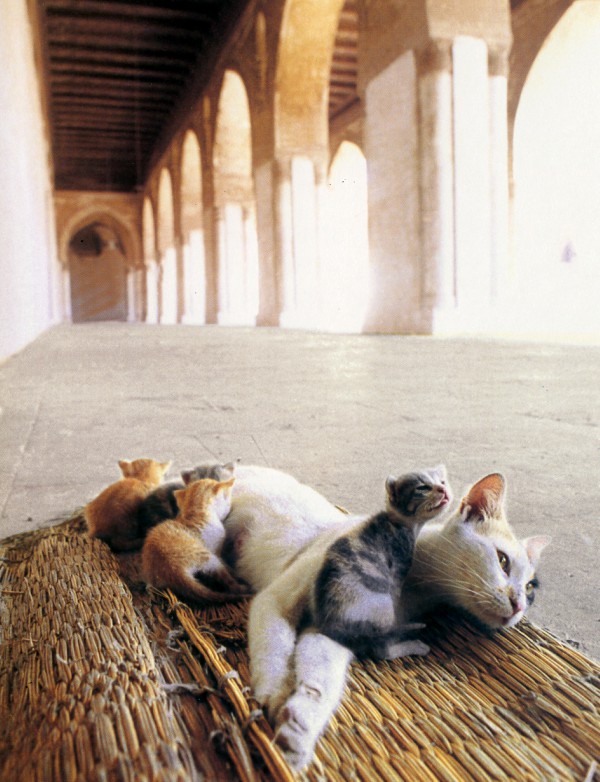
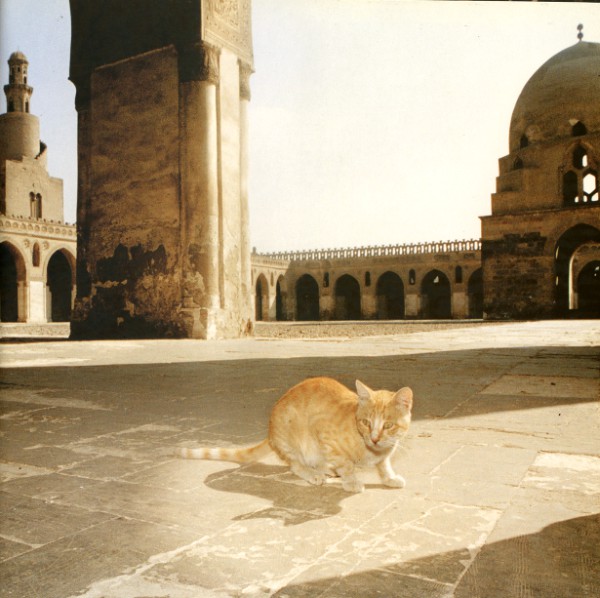
The Ibn Tulun Mosque dates back to the 9th century and is one of Cairo’s oldest surviving mosques. Its wide courtyard, soaring arches, and carved details make it a standout example of early Islamic architecture.
The mosque also has a large population of free-roaming cats. They lounge in the mosque’s courtyard and alcoves, play in the gardens, and even join in the prayers of the worshippers once in a while. They are often well-fed and cared for by the mosque’s staff and visitors, who consider them to be an important part of the mosque’s community.
The cats of the mosque of Ibn Tulun have become a beloved attraction for visitors to the area. Many tourists and locals come to the mosque not only to admire its stunning architecture but also to interact with these friendly and affectionate felines.
📍 Book this Royal Cairo: Manial Palace & Ibn Tulun Mosque Discovery tour to visit one of Egypt’s oldest mosques, climb its spiral minaret for views over Cairo, and much more—all with hotel pickup, skip-the-line entry, and an expert guide to bring each site to life.
Why are there so many cats in Cairo?
Cairo is often called the city of cats, and it’s easy to see why. Stray cats roam freely through the streets, markets, and rooftops, and they give the city a unique, feline-driven rhythm.
“These cats are street-smart survivors with an aristocratic lineage. Approach them as you would your fluffy, fireside feline, and you will immediately have a cross-cultural misunderstanding,” writes Lorraine Chittock in her book Cairo Cats: Egypt’s Enduring Legacy.
“Notice instead their lunar eyes coolly scanning the relentless bustle around them, their long bodies slinking through souks and down alleyways as though they own the place. And in a way they do, because these mystical survivors come from a dynasty that dates back to the very cradle of civilization.”
Bu why have cats become so prevalent in Cairo?
Firstly, cats have been an integral part of Egyptian culture for thousands of years, with ancient Egyptians worshiping feline deities such as Bastet. This cultural reverence for cats has translated into a general acceptance and affection for cats among modern Egyptians.
Secondly, cats are well-suited to Cairo’s urban environment. They are able to navigate the city’s narrow alleyways and rooftops with ease, and their presence deters rats and other pests.
Furthermore, cats instinctively scavenge, and the city’s busy streets provide plenty of street food leftovers and garbage to sustain them.
Finally, many Egyptians believe that caring for cats brings good luck and blessings. As such, feeding and caring for stray cats has become a common practice in Cairo. This has led to a unique relationship between the people of Cairo and their feline companions, with many cats becoming beloved members of local communities.

Where to stay in Cairo
If you can, stay a few nights in Cairo to truly maximize your experience. Here are my favorite accommodation options:
- Luxury: Four Seasons Hotel Cairo at Nile Plaza – Offers spacious rooms and panoramic Nile views, combining top-tier comfort with impeccable service for travelers who want a premium experience.
- Middle-class: Steigenberger Hotel El Tahrir Cairo – Centrally located near the Egyptian Museum and downtown attractions, with modern rooms and easy access to Cairo’s main sites at a reasonable price.
- Low-budget: Meramees Hostel – A simple, budget-friendly option near Tahrir Square, providing clean rooms and a convenient base for exploring museums, markets, and historic neighborhoods.

About the photographer
Lorraine Chittock is a photographer and writer whose work grows out of years spent traveling and documenting cultures around the world. Her long-standing love of cats, combined with a deep connection to Egypt, led her to create Cairo Cats: Egypt’s Enduring Legacy, a beautifully curated coffee-table book featuring more than 100 photographs of cats across Cairo.
She first arrived in the city in 1991 to work as a magazine photographer and spent seven years exploring Cairo’s streets, rooftops, markets, and ancient sites. During that time, she became fascinated by the city’s feline residents and the quiet, everyday relationships they share with the people around them. In Cairo Cats, she captures everything from cats lounging among the pyramids to street-wise felines navigating the city’s neighborhoods, revealing their beauty, mystery, and unmistakable presence.
Earlier in her career, Lorraine’s curiosity about Egypt’s camel trade resulted in another acclaimed coffee-table book, Shadows in the Sand: Following the Forty Days Road, which documents her arduous journey along an ancient caravan route from Sudan into Egypt.

Did you enjoy Lorraine Chittock’s photos and tips for unusual things to do in Cairo? If so, check out her book Cairo Cats: Egypts Enduring Legacy, and share this post with fellow cat lovers and on social media.