Skip to content
Last Updated on 4 October 2026 by Vanessa
If you’re planning a visit to the Fushimi Inari-Taisha shrine, you’re probably wondering whether Kyoto’s famous tunnel of red torii gates is actually worth the hype. It absolutely is, but there’s a lot more to this shrine than the photos you’ve seen on Instagram.
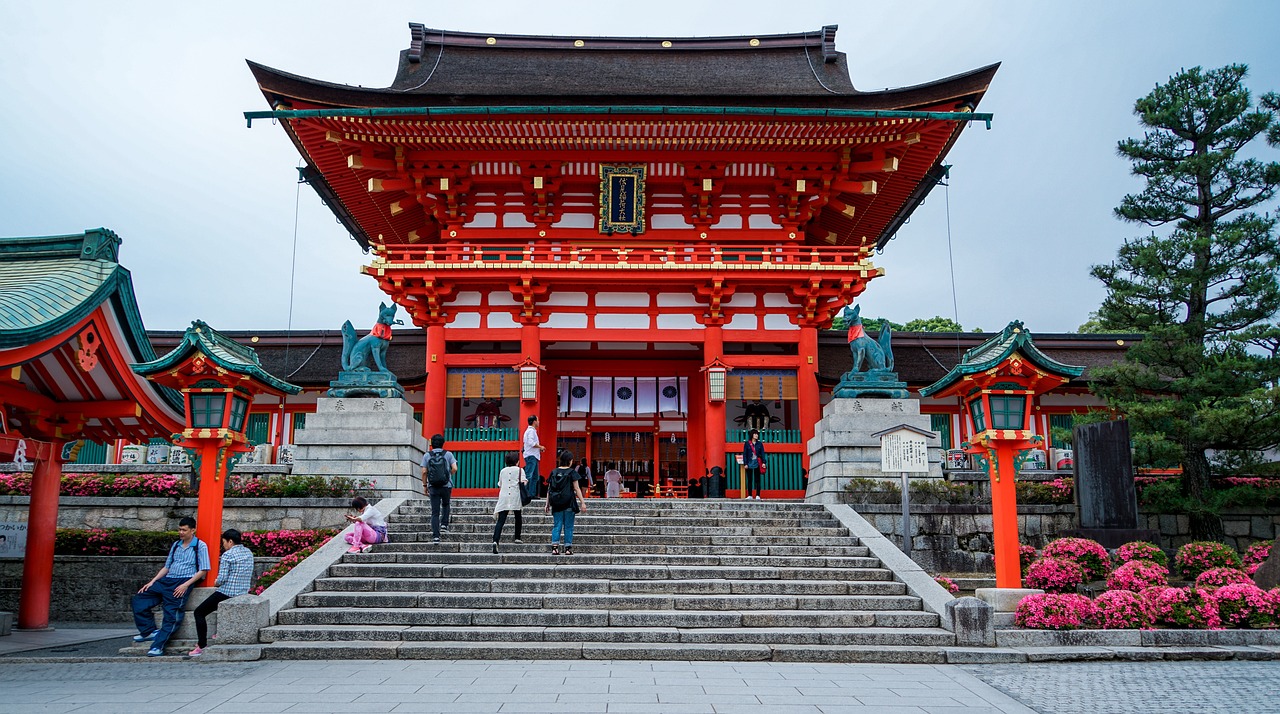
Fushimi Inari-Taisha is one of the most visited attractions in Kyoto, known for its thousands of vibrant vermilion torii gates that wind up the forested slopes of Mount Inari. While many visitors stop after walking through the first section of gates, the shrine complex is much larger than it appears, with scenic hiking trails, smaller shrines, viewpoints, and plenty of hidden corners to discover along the way.
In this guide, we’ll cover everything you need to know before visiting the Fushimi Inari-Taisha shrine, including the best time to go, how long to spend there, what to expect on the hike, where to find the best photo spots, practical visitor tips, and of course, the cats that call the area home.
Fushimi Inari-Taisha shrine: a complete guide to Kyoto’s famous torii gates
A brief history of the Fushimi Inari-Taisha shrine in Kyoto
Dedicated to Inari (the Shinto deity of rice, agriculture, prosperity, and business success), the Fushimi Inari-Taisha shrine has watched over Kyoto for more than 1,300 years. Today, visitors know it for its seemingly endless tunnels of vermilion torii gates, but the shrine’s story began long before it became one of Japan’s most famous landmarks.
Foundation and early history
Its history dates back to 711, during the reign of Emperor Shōmu. At that time, people established a small shrine on the slopes of Mount Inari, just south of present-day Kyoto, to honor Inari.
As Japan’s agricultural economy grew, so did the shrine’s importance. Farmers prayed to Inari for abundant harvests, while merchants sought blessings for prosperous businesses. Over time, more worshippers began visiting the shrine, and its influence spread throughout the region.
Patronage and expansion
Several powerful families helped shape the shrine’s development over the centuries.
During the 9th century, the influential Hata clan became devoted supporters of Fushimi Inari-Taisha. Because they believed Inari could bring success to their rice harvests and commercial ventures, they donated resources that helped expand and improve the shrine.
The shrine received another boost in the late 12th century when the Minamoto clan rose to power. Minamoto no Yoritomo, who later became the first shogun of the Kamakura period, donated land and funds to the shrine. His support strengthened Fushimi Inari-Taisha’s status and allowed the grounds to continue growing.
The senbon torii and other iconic features
Without a doubt, the most recognizable feature of the Fushimi Inari-Taisha is its famous senbon torii, or “thousand torii gates.”
Today, around 10,000 vermilion torii gates line the trails that wind up Mount Inari. Businesses, organizations, and private individuals donate these gates to the shrine, and each one bears the name of its sponsor.
The gates mark the transition between the everyday world and the sacred realm. Walking through them feels almost like stepping into a different world altogether.

Inari worship and cultural significance
Today, the shrine continues to serve as an active place of worship. Visitors come to offer prayers, make donations, and take part in traditional rituals. Throughout the year, the shrine also hosts festivals and cultural events that attract both locals and travelers.
You’ll also notice hundreds of fox statues throughout the grounds. In Japanese folklore, foxes act as messengers of Inari, which explains why they appear so prominently around the shrine.
Preservation and UNESCO recognition
Careful preservation has helped Fushimi Inari-Taisha retain its cultural and historical importance for centuries. The Japanese government recognizes the shrine as an Important Cultural Property, reflecting its significance within Japan’s heritage.
In 2015, officials added the shrine to UNESCO’s Tentative List for future World Heritage consideration, highlighting its cultural value on an international scale.
More than 13 centuries after its founding, Fushimi Inari-Taisha remains one of Kyoto’s most remarkable landmarks—a place where history, spirituality, and tradition continue to come together beneath thousands of bright red torii gates.
The cats of the Fushimi Inari-Taisha shrine
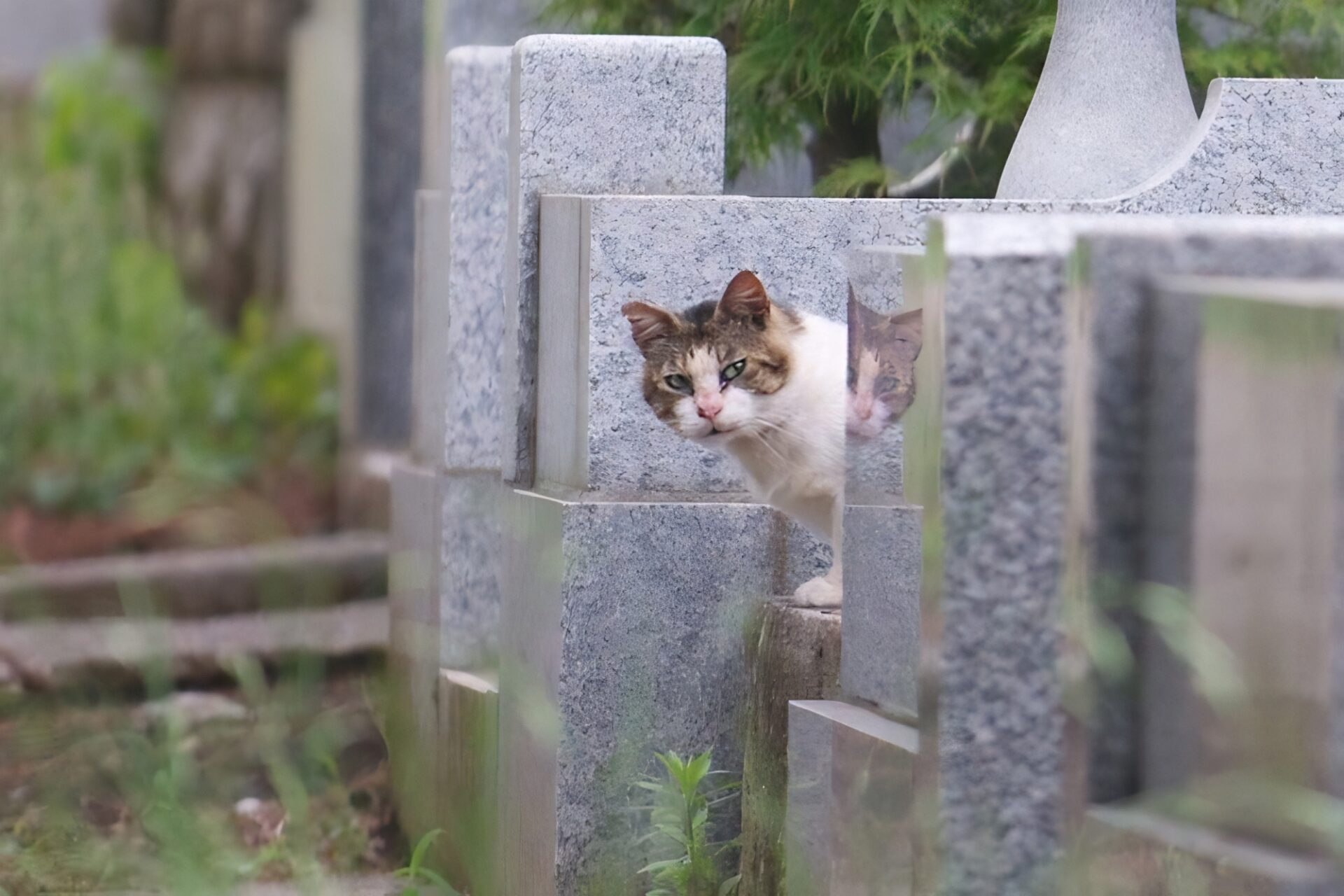
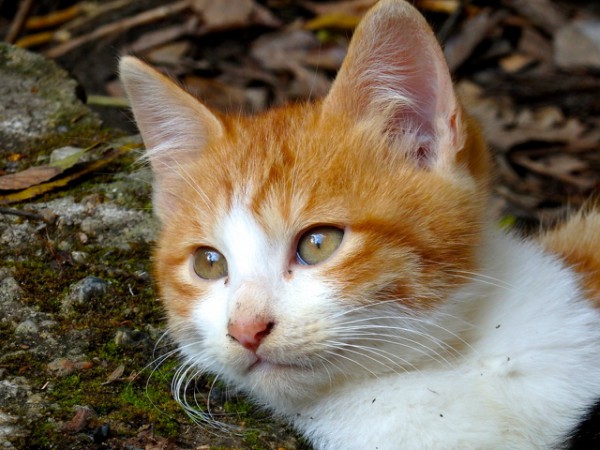
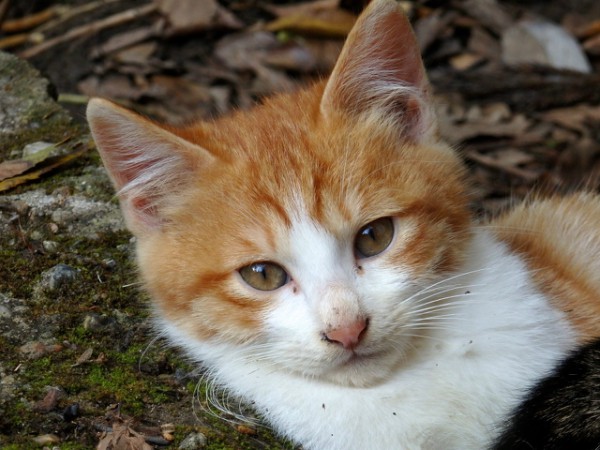
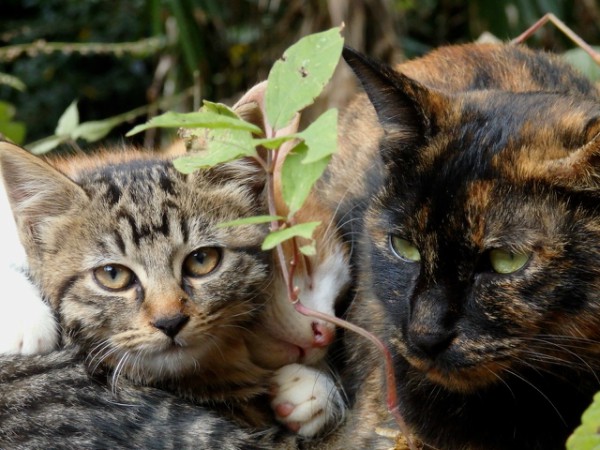
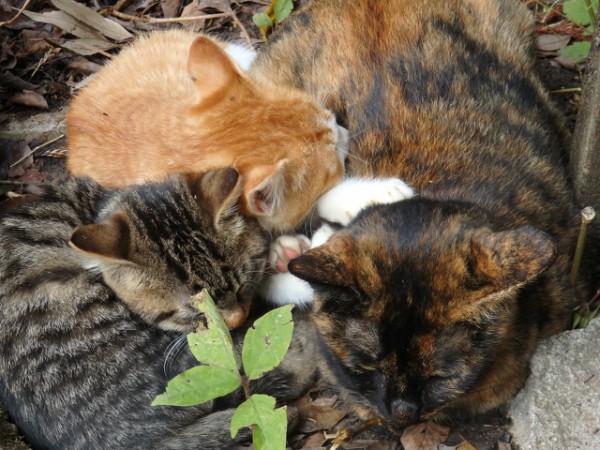
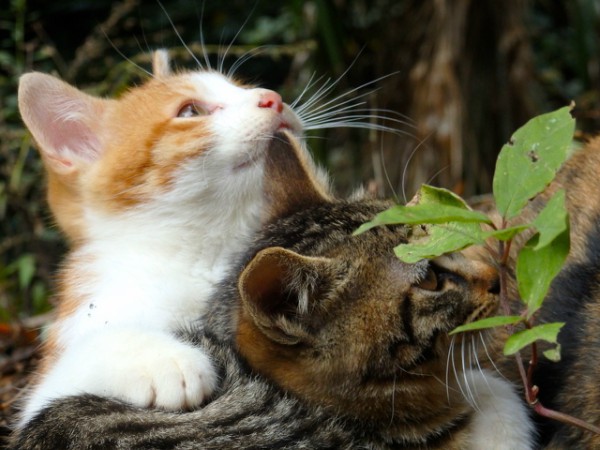
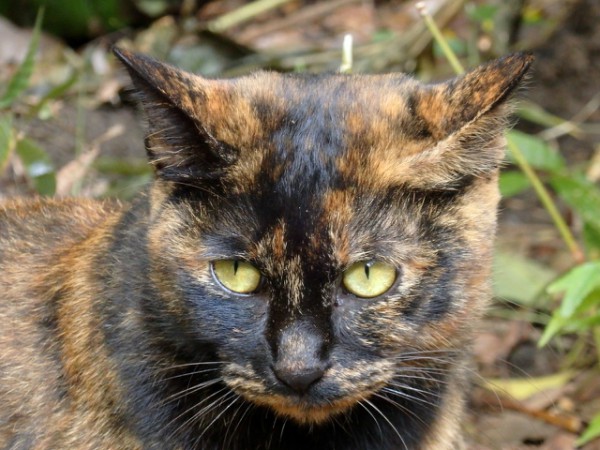
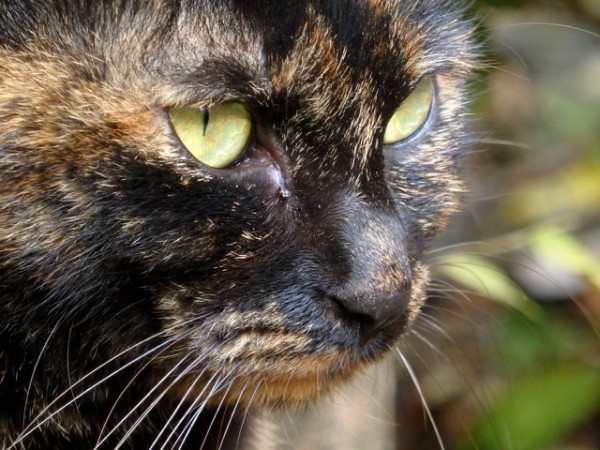
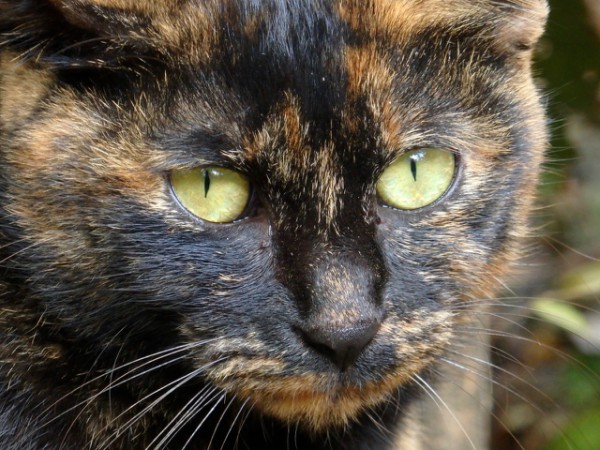
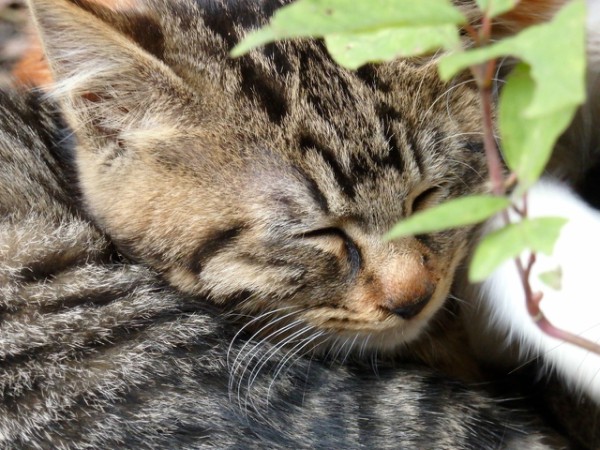
During my recent visit to Kyoto, I stumbled upon several cat families at the Fushimi Inari-Taisha shrine. Especially a mom cat and her two playful kittens were really cute, or “kawaii” as the Japanese say. I spotted them by chance while exploring one of the quieter paths that winds through the shrine grounds and up the mountain.
The kittens seemed to have endless energy. They chased each other along the path, and rarely stayed still for more than a few seconds. Taking a sharp photo proved nearly impossible. Eventually, though, the excitement wore off. The kittens curled up beside their mother for a well-earned rest, and this gave me the chance to capture a few photos of the sweet family together.
At first, I assumed these cats might be homeless. However, every cat I encountered looked healthy, well-fed, and surprisingly comfortable around people. While I can’t say for certain who cares for them, their condition suggests that someone looks out for them. The small souvenir shops scattered along the trail seem like the most likely source of food and attention, as the shopkeepers are clearly familiar with the cats that wander through the area.
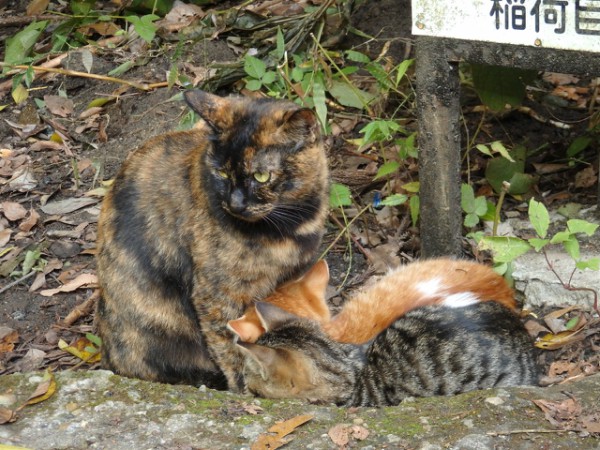
If you’re hoping to meet the cats and kittens of Fushimi Inari-Taisha, keep your eyes open as you explore the quieter sections of the shrine grounds. You may get lucky and spot one sunbathing beside the path—or, if you’re really fortunate, an entire cat family.
As always, remember to treat the cats with respect. Give them space, avoid chasing them, and let them approach on their own terms. Watching their natural behavior from a comfortable distance makes the experience much more enjoyable for both you and the cats.
Practical info
Planning a visit to Fushimi Inari-Taisha? Here’s everything you need to know before you go, including opening hours, admission fees, how to get there, how long to spend at the shrine, accessibility information, and practical tips for making the most of your visit.
Opening hours
The shrine is open at all times, so you can visit at any hour of the day, even during the night.
Best time to visit
The Fushimi Inari-Taisha shrine gets busy fast, especially around the main entrance. If you want a calmer experience, aim for an early morning visit. You’ll get quiet paths, fewer people in your photos, and way more space to enjoy the torii gates without constantly weaving around others. This is also when you’re most likely to spot the cats exploring the shrine grounds.
Try to avoid weekends and public holidays if you can; the crowds ramp up quickly and stay busy most of the day.
Sunset also offers a beautiful alternative. The warm golden light makes the torii gates glow, and the whole trail feels softer and more atmospheric. Night visits take that even further, with lanterns and dim lighting creating a more surreal, almost dreamlike walk through the shrine. That said, you’ll share the space with more visitors during these hours, not fewer.
Season-wise, spring and fall draw the biggest crowds thanks to cherry blossoms and fiery fall colors. Both look incredible, but expect lots of company on the trails. For a quieter experience, winter or early summer usually work better, with fewer tourists and a more relaxed pace along the mountain paths.

Entrance fee
Admission to the Fushimi Inari-Taisha shrine is free.
Guided tours
If you want a smoother visit with less guesswork, a guided tour makes a big difference at Fushimi Inari-Taisha. A local guide helps you move beyond the crowded entrance, explains the history behind the torii gates, and points out details you’d probably miss on your own.
Early-morning tours work especially well if you want quiet paths and softer light. You’ll get ahead of the main crowds and enjoy a more peaceful walk up the mountain.
Night walking tours offer a completely different feel. The shrine takes on a calmer, more atmospheric mood after dark, and a guide helps you navigate the trails safely while sharing stories about the site’s cultural significance.

How long to spend at Fushimi Inari-Taisha
Plan for at least 2 hours if you want a relaxed visit around the main shrine and the lower torii gates.
If you want to hike higher up the mountain, take your time with photos, or hope to spot the shrine’s cats along the quieter trails, half a day works much better.
Etiquette
Fushimi Inari-Taisha is an active place of worship, so mindful behavior goes a long way.
First, stick to the side paths and avoid walking down the very center of the torii gates. That middle path belongs to the deity, and locals treat it as a respectful “no-walk” zone for visitors.
You won’t find a strict dress code here, but you’ll feel more comfortable if you dress modestly. Think practical, respectful clothing that suits a sacred space and a bit of walking uphill.
Before you reach the main shrine area, stop at the temizuya (also called chozuya) to take part in the purification ritual. You’ll use a ladle to rinse your hands—left hand first, then right—then rinse your mouth (without drinking the water), and finish by rinsing the ladle itself. This simple routine helps visitors prepare mentally and symbolically before prayer.
Following these customs shows respect for the shrine and helps you feel more connected to the atmosphere while you explore.

Annual festivals
The Fushimi Inari-Taisha shrine hosts several festivals throughout the year. If you time your visit right, you’ll see rituals, processions, and night-time scenes you won’t experience on a normal day.
- Saitan-sai (January 1st): Saitan-sai is the perfect opportunity to experience Hatsumode, Japan’s tradition of making the first shrine visit of the New Year.
- Hatsuuma Taisai (First Horse Day in February): This festival marks the legendary arrival of Inari Ōkami on Mount Inari. Locals treat it as the most important festival of the year, and the shrine honors the deity with special ceremonies and a strong sense of tradition.
- Inari-sai (April to early May): This spring celebration runs for about two weeks and brings one of the most impressive sights of the year: a large procession of mikoshi (portable shrines) moving through the grounds.
- Motomiya-sai (Mid-summer, Day of the Ox in July): Thousands of red lanterns line the mountain paths and light up the night. Once darkness falls, they all glow at the same time, turning Mount Inari into a striking red-lit landscape that feels almost otherworldly.
- Ohitaki-sai (November 8th): This fire festival centers around burning hundreds of thousands of prayer sticks (gomagi). Flames rise high into the air, creating a powerful and dramatic ritual that draws a large crowd every year.
How to get there
By train (easiest option)
From Kyoto Station, take the JR Nara Line and get off at Inari Station. The shrine sits right outside the station exit—just follow the signs and you’ll see the torii gates immediately.
If you’re coming from another part of Kyoto, use the Keihan Main Line and get off at Fushimi-Inari Station, which also drops you close to the entrance.
By bus
Several city buses stop near the shrine. Lines 5 and 100 stop at Inari Taisha-mae, right by the main entrance. Buses 2 and 26 also stop nearby if that route fits your itinerary better.
By bicycle
From Kyoto Station, a bike ride takes about 25 minutes, and the route is fairly direct through city streets. You’ll find plenty of rental shops around the station area.
On foot
If you’re staying nearby, walking is also an option. Depending on your starting point, it takes around 30 to 60 minutes. It’s an easy way to pass through local streets before reaching the shrine.
Once you arrive
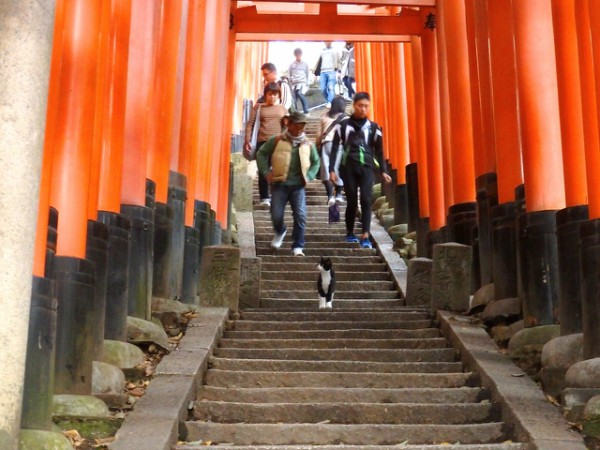
The entrance is impossible to miss—the torii gates start right at the street. Just follow the main path and you’ll naturally move from the lower shrine area into the torii gate trails and then up into the quieter forest sections.
Things to do nearby
Once you finish exploring the torii gates, you’ve got plenty of great spots nearby to round out your day. Everything sits close enough that you can easily mix and match a few stops.
Fushimi Jikkoku Bune
From Fushimi Inari-Taisha, take a short train ride on the Keihan Line toward Chushojima Station, then head to the canals of the Fushimi district and hop on a small boat ride along the historic waterways. You’ll pass traditional warehouses and quiet residential corners that feel completely different from the shrine area.
Uji
Uji gives you riverside views and some of the best matcha in Japan. There’s even a matcha tea museum!
From Fushimi Inari-Taisha, take the JR Nara Line south toward Uji Station. Once you arrive, walk along the river, visit Byodoin Temple, and stop for matcha sweets in one of the local tea shops.
Nyan Nyan Ji (Cat Temple)
If you want more cats, this one’s a must. Nyan Nyan Ji sits a bit outside central Kyoto, and it takes about 35–40 minutes by train and bus or taxi combined from Fushimi Inari-Taisha. The temple focuses entirely on cats, with cat-themed art, a resident “cat monk,” and rotating exhibitions by cat-loving artists.
👉 Read about our visit to the Nyan Nyan Ji Cat Temple here.
Kiyomizudera area
This area packs in some of Kyoto’s most famous streets and viewpoints.
From Fushimi Inari-Taisha, take a combination of train and bus (or a direct taxi if you prefer speed). Once there, explore Kiyomizudera Temple, wander through Sannenzaka and Ninenzaka, and stop at small shops and cafés along the way.
Do you want to explore Kyoto Japan even further? Then check out this article on the best things to do in Kyoto.
Claudia Mannes is a German TV writer, travel blogger, and photographer. Kleinplanet311 is her personal playground. With a sharp eye, she uncovers stories that sometimes jump out and other times hide in small details. From sweeping landscapes to quiet moments, her photography captures the heart of each scene, and through her work, these stories come alive.
Her love for travel began in 2013 during a sabbatical in Spain, which inspired her to start her blog Kleinplanet311 in September 2014. Since then, Claudia’s journey as an artist and storyteller has grown, fueled by her passion for blending photography with writing.
Other destination guides by the same author:
- Playa de la Caleta (Hermigua, La Gomera, Spain): A quiet beach where local cats hang around the shoreline.
- Deià (Mallorca, Spain): A small mountain village filled with art galleries, stone streets, and a well-known cat population.
- Santuari de Sant Salvador in Felanitx (Mallorca, Spain): A hilltop sanctuary with sweeping views over Mallorca. Cats roam around the site and often lounge near the viewpoints and monastery buildings.
- Monte da Vilarinha (Carrapateira, Portugal): A rural stay where cats live freely around the property.
- Porto (Portugal): Urban cats that move through the city’s alleys, staircases, and riverside areas. Explore Porto, and you’ll notice them in everyday city life.
- Villa Colon, Los Quemados (La Palma, Spain): A stay where cats and kittens live on-site.
- Mirador de Santa Luzia (Lisbon, Portugal): A viewpoint over Lisbon with strong photo appeal and resident cats that often appear around the terrace and garden areas.
- Capileira (Spain): A mountain village in the Alpujarras with direct access to hiking routes in the Sierra Nevada. Trails start right from town and lead through valleys, ridges, and traditional whitewashed settlements.
- Arure (Island of La Gomera, Spain): A small mountain village above Valle Gran Rey with hiking trails and cats.

Pin this article on the Fushimi Inari Taisha shrine in Kyoto!