
Last Updated on 15 August 2025 by Vanessa
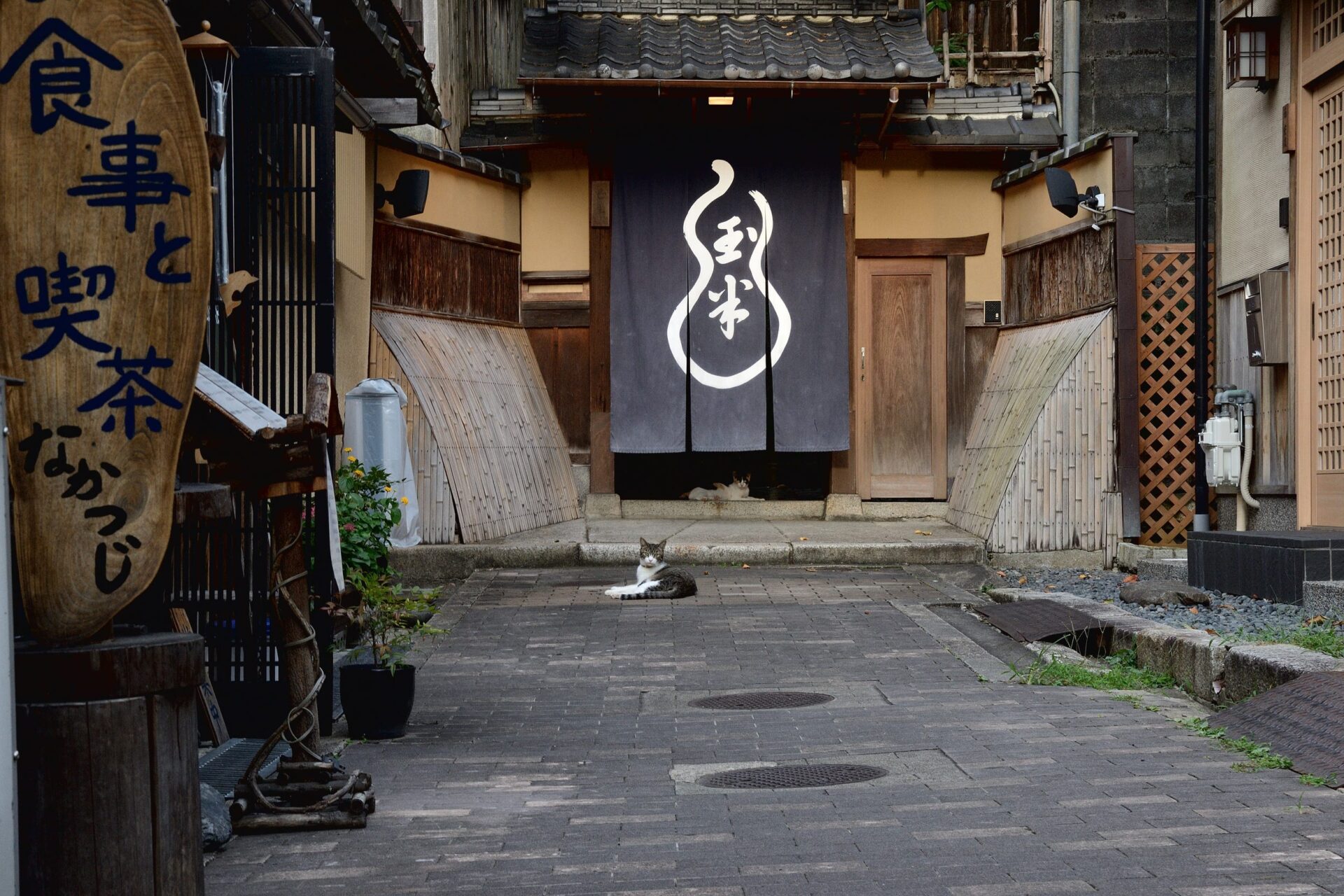
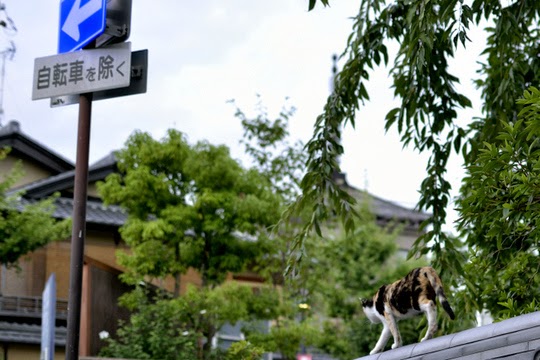
Yutaka Katayama was just a wooden toy wholesaler with a taste for the extraordinary. But in 2010, he picked up a camera and changed the way he looked at Kyoto. He wanted to capture the city’s everyday life, but he found his focus drawn to something entirely different: its cats. These Kyoto cats became the heartbeat of his photography.
Kyoto cats: capturing the city’s essence through a feline lens
The essence of Kyoto
Katayama’s photography opens a window into the soul of Kyoto, which sits in the Kansai region of Honshu, Japan’s main island.
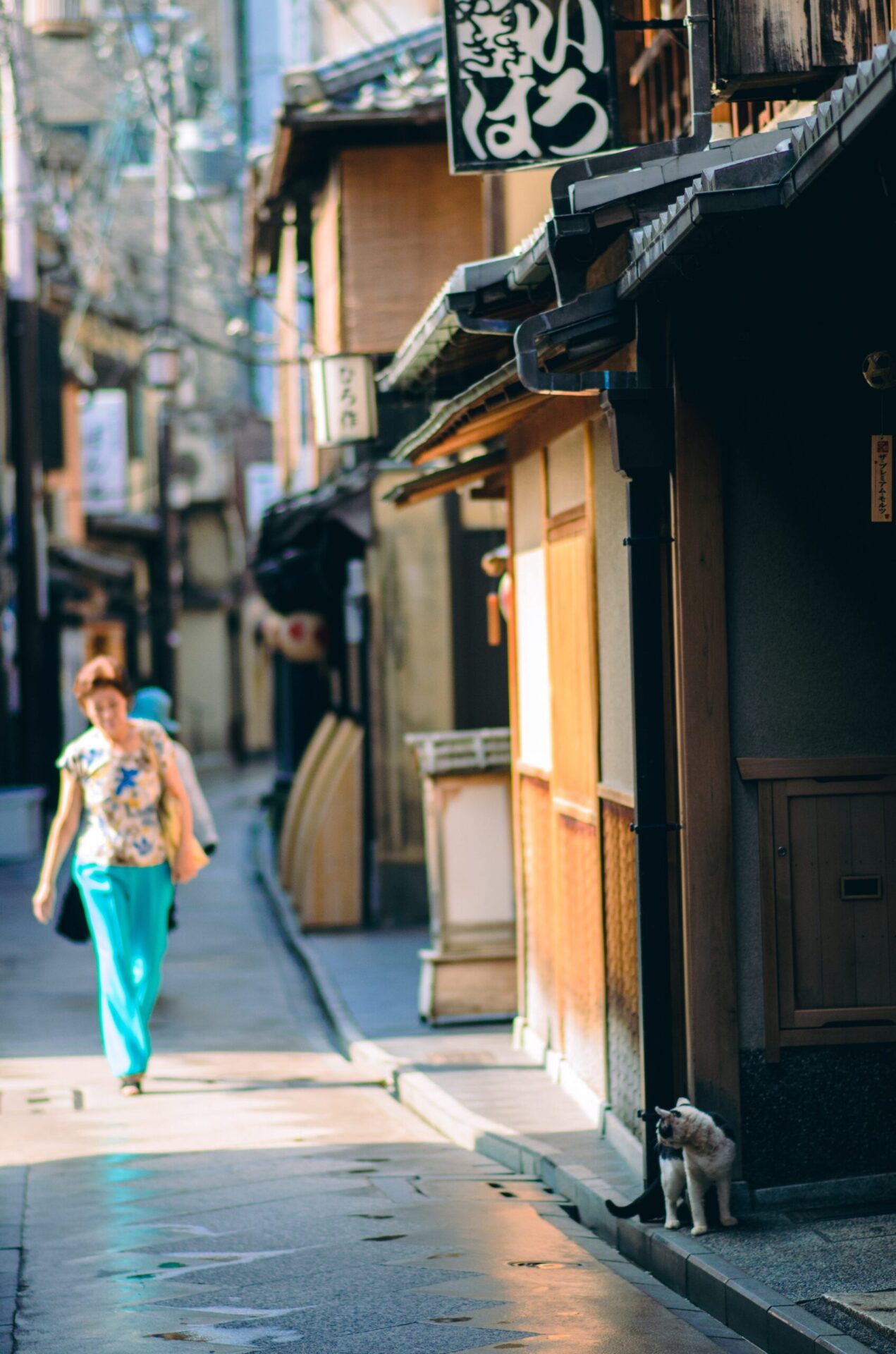
Once the imperial capital, it holds a unique place in the nation’s culture and history. Its streets reveal layers of tradition: wooden machiya houses, tea houses, and cobblestone alleys that whisper of a bygone era. In Gion, geiko (Kyoto geisha) and maiko (apprentice geisha) still move gracefully through the streets in traditional attire, offering a rare glimpse into old-world Japan.
The city’s temples and shrines, many of which are UNESCO World Heritage Sites, add another layer of wonder. These include the iconic Kiyomizu-dera, Fushimi Inari Taisha with its endless torii gates, the Golden Pavilion, and Ryoan-ji with its serene rock garden.
And then there are the Kyoto Imperial Palace and Sento Imperial Palace, which recall the city’s imperial past, even though the imperial family no longer resides here.
Kyoto cats
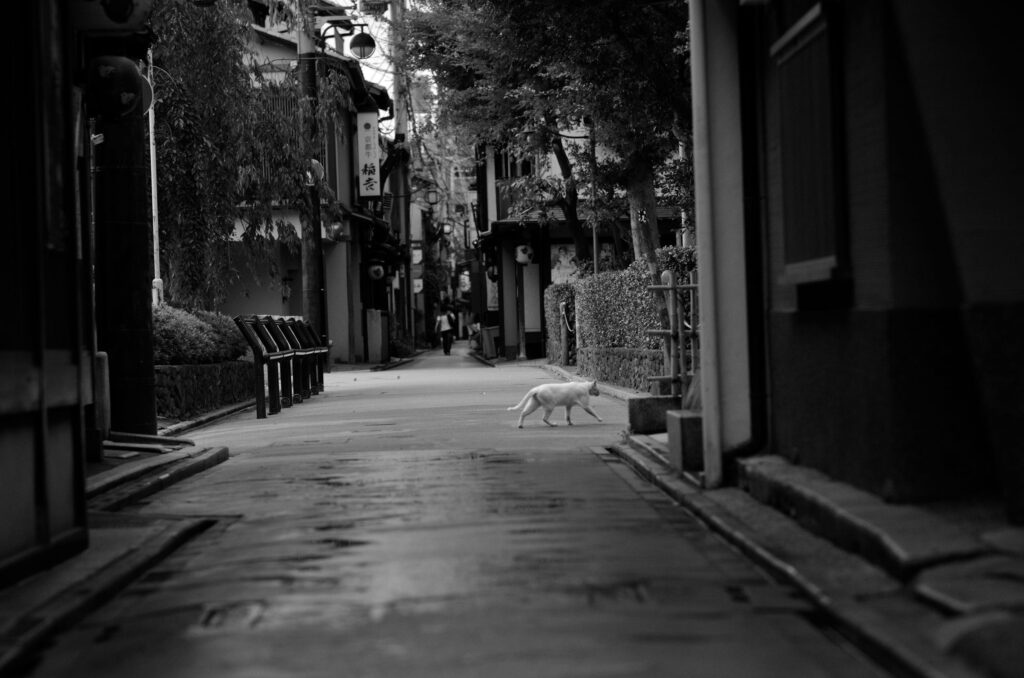
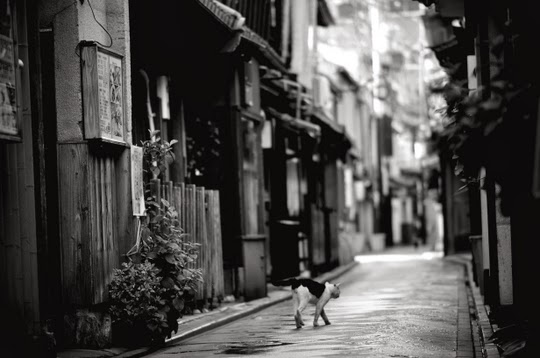
Katayama discovered the Kyoto cats almost by accident. But while these wandering felines seemed ordinary at first glance, they quickly captured his imagination. He began photographing them as symbols of resilience, independence, and quiet tenacity—qualities he also saw in the city itself.
“I started to see Kyoto through the eyes of its stray cats,” Katayama explains. “They live quietly, always seeking food and shelter, keeping their distance from humans.”
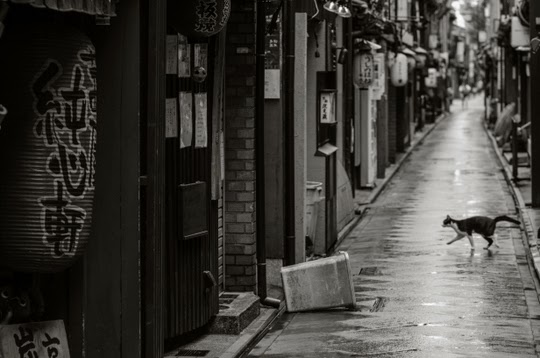
These cats inhabit a world where Kyoto’s ancient streets meet modern life. With each photograph, Katayama lovingly captures the intersection of centuries-old temples, shrines, and cobblestone alleys with the contemporary rhythm of life.
“These cats are my life’s work,” Katayama says.
Daily ritual
Katayama moves through Kyoto like the cats themselves.
In the early morning, before the city fills with tourists, he navigates quiet streets and alleyways with an acute sense of anticipation, hoping to engage in a silent dialogue with the feline inhabitants of Kyoto.
He revisits the same spots, always seeking a new angle, a fleeting emotion, or a moment that reveals the city’s soul.
This daily ritual—camera in hand, patience at the ready—allows him to witness the delicate interaction between feline wanderers and their urban surroundings.
Katayama’s photographs
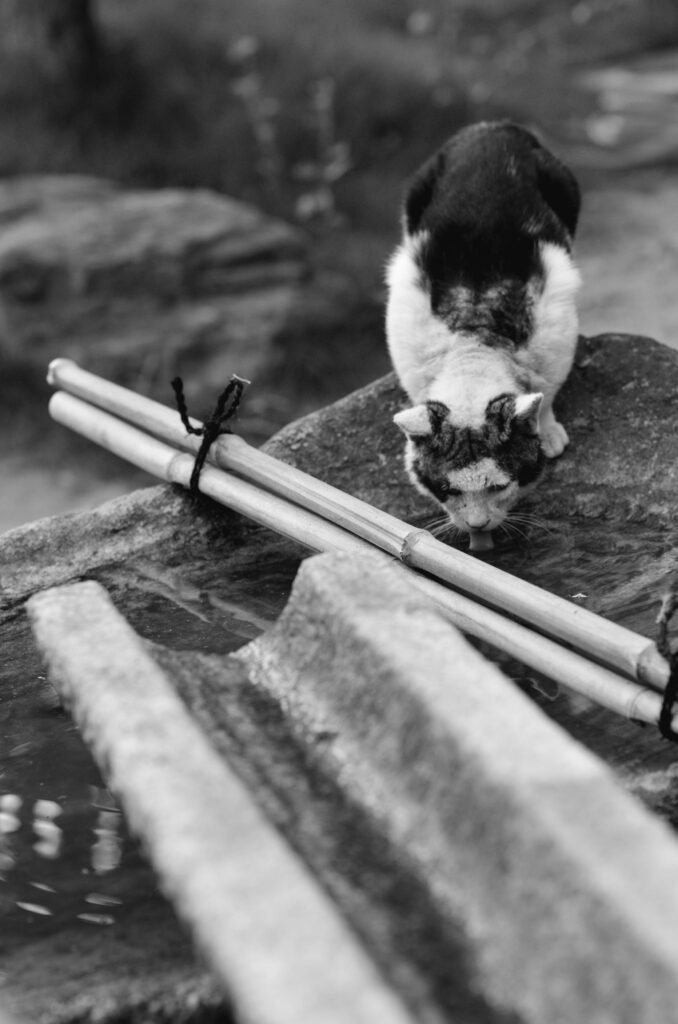
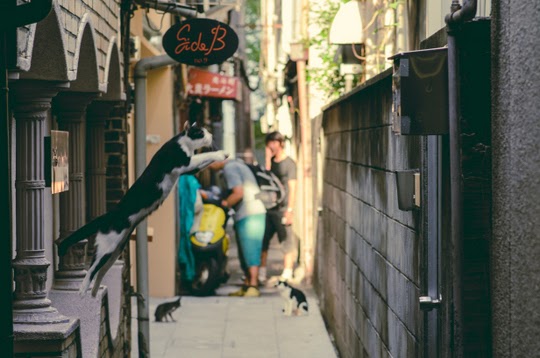
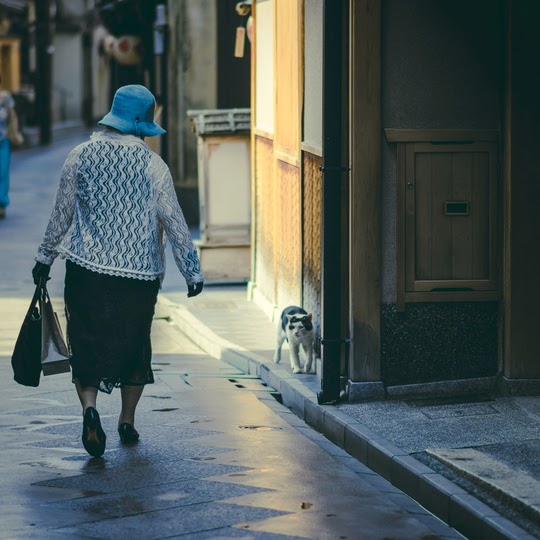
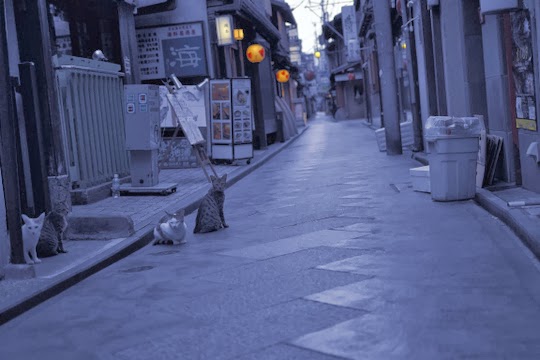
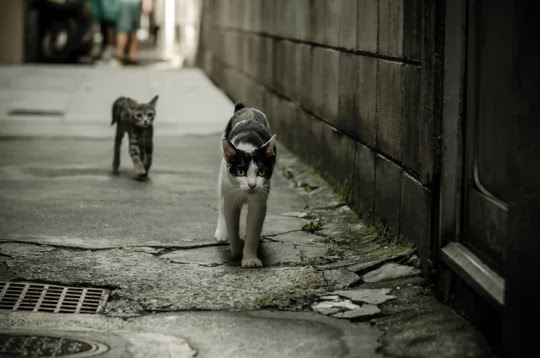
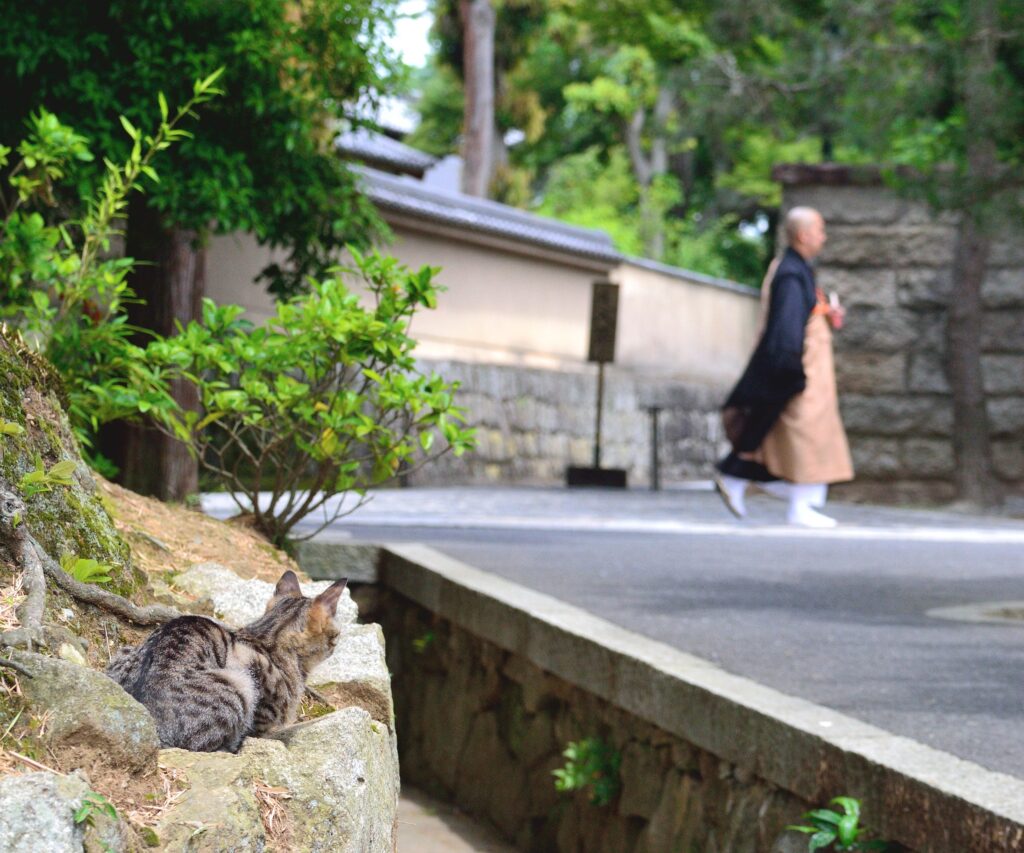
Each of Katayama’s images tells a story. Light falls softly on a cat perched on a stone lantern, a tail flicking as if signaling secrets of the past. A cat crosses the foreground of a temple courtyard, blending the living present with ancient architecture. These images do more than document—they transform Kyoto’s whispers, its hidden corners, and its living history into a visual symphony.
It is as if the cats of Kyoto have become the conduits through which the very essence of the city is channeled.
Cats among heritage
Kyoto houses many UNESCO World Heritage Sites. Katayama’s photography often places his feline subjects against these iconic backdrops, creating a dialogue between past and present. The cats, small and unassuming, highlight the harmony between nature, urban life, and centuries of cultural legacy.
Here are some of the UNESCO World Heritage Sites with cats featured in Katayama’s work:
- Kiyomizu-dera Temple
- Kinkaku-ji (Golden Pavilion)
- Ginkaku-ji (Silver Pavilion)
- Ryoan-ji Temple
- Nijo Castle
- Nishi Honganji Temple
- To-ji Temple
- Shimogamo Shrine
- Kamigamo Shrine
- Kamo Shrines’ Forests
- Daigo-ji Temple
- Tenryu-ji Temple
- Saiho-ji Temple (Moss Garden)
- Nijo-jo Castle
- Ujigami Shrine
- Byodo-in Temple and the Historic Monuments of Ancient Kyoto (Kyoto Imperial Palace
- Sento Imperial Palace
- Katsura Imperial Villa

Conclusion
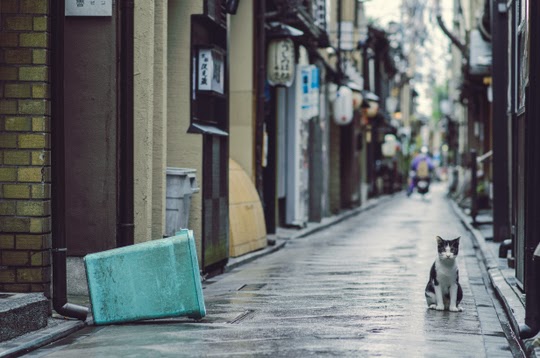
Which photograph speaks to you the most? Have you ever visited a place where animals seem to shape the character of a city? Let us know your thoughts in the comments below.
Also, don’t keep this photographer to yourself. Share Katayama’s photos with friends, family, or on social media, and let others experience the charm and mystery of Kyoto through the eyes of its feline inhabitants.
Photos by © Yutaka Katayama, who documented these lives of cats in Kyoto. Also see these photos of cats in Fukuoka, Japan.
About the photographer
Yutaka Katayama is a Japanese photographer and artist born in Tokyo. In 2010, he began photographing the stray cats of Kyoto, capturing their quiet resilience amidst the city’s historic streets. His work has been featured in various publications and exhibitions, highlighting the interplay between Kyoto’s ancient architecture and its feline inhabitants.
In 1983, Katayama expanded his artistic practice to include painting. He also works in graphic art and animation, exploring themes of everyday life and the natural world. His multidisciplinary approach reflects a deep engagement with visual storytelling across different media.


