 Skip to content
Last Updated on 30 January 2026 by Vanessa
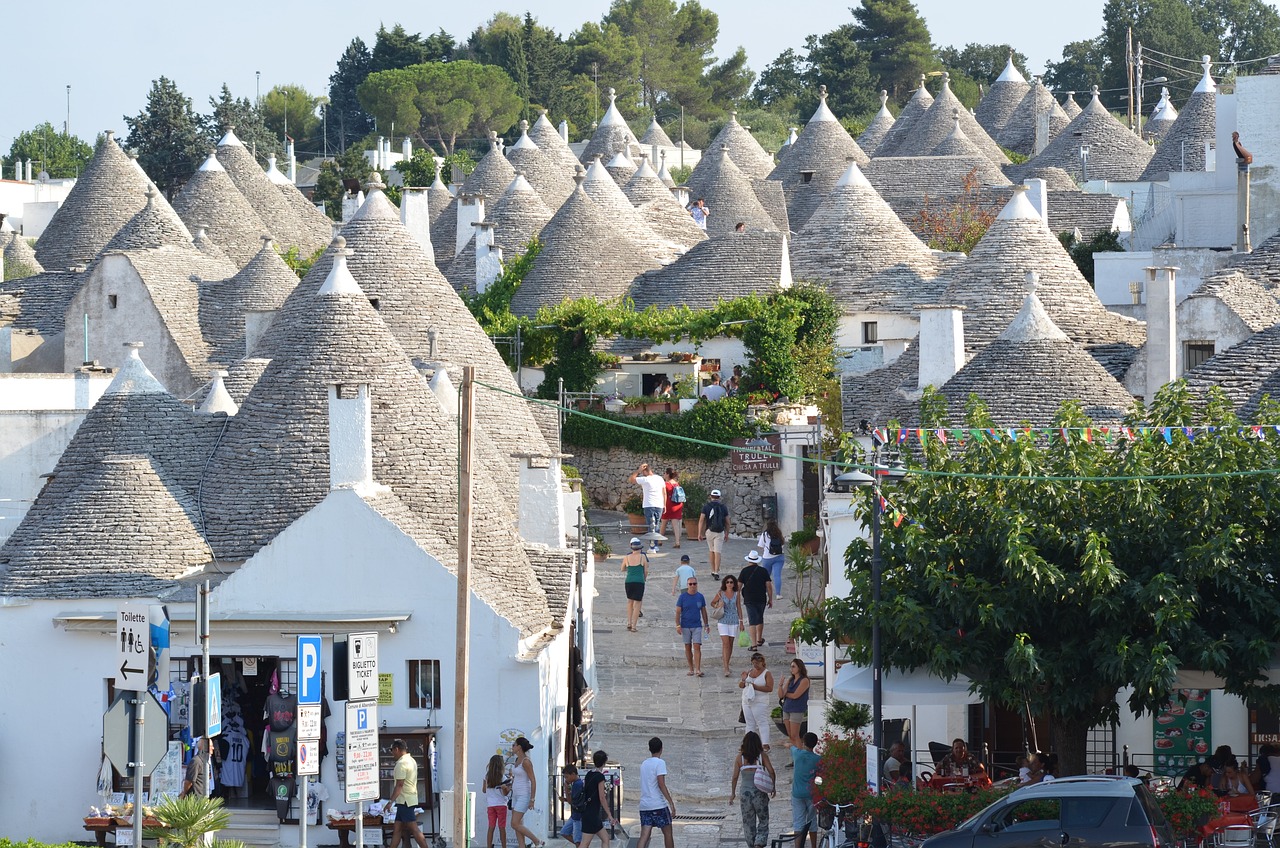
Is Alberobello worth visiting? I’d seen the town’s trulli in photos so many times that I assumed I already knew what the place would feel like. I didn’t. It’s smaller and more crowded than what I imagined. Still, UNESCO didn’t make this a World Heritage Site for nothing. It’s absolutely worth a detour for the architecture alone.
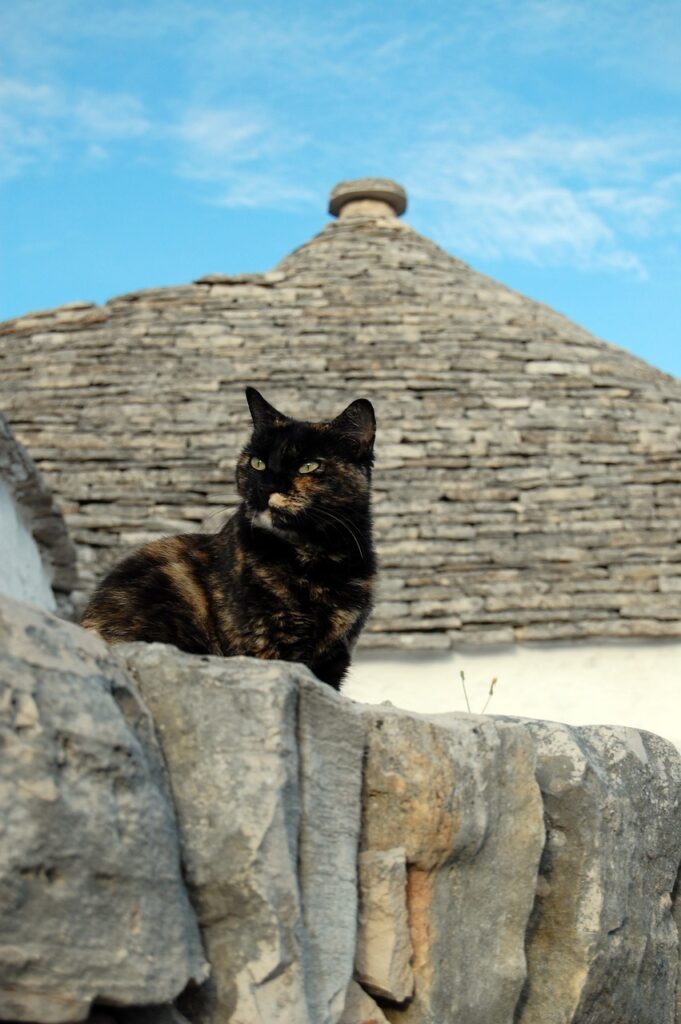
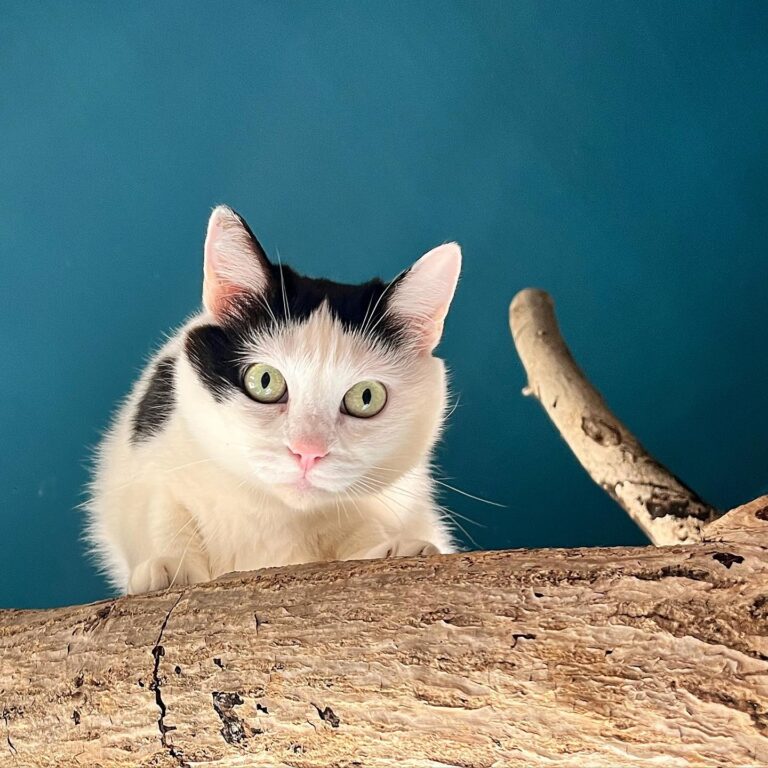
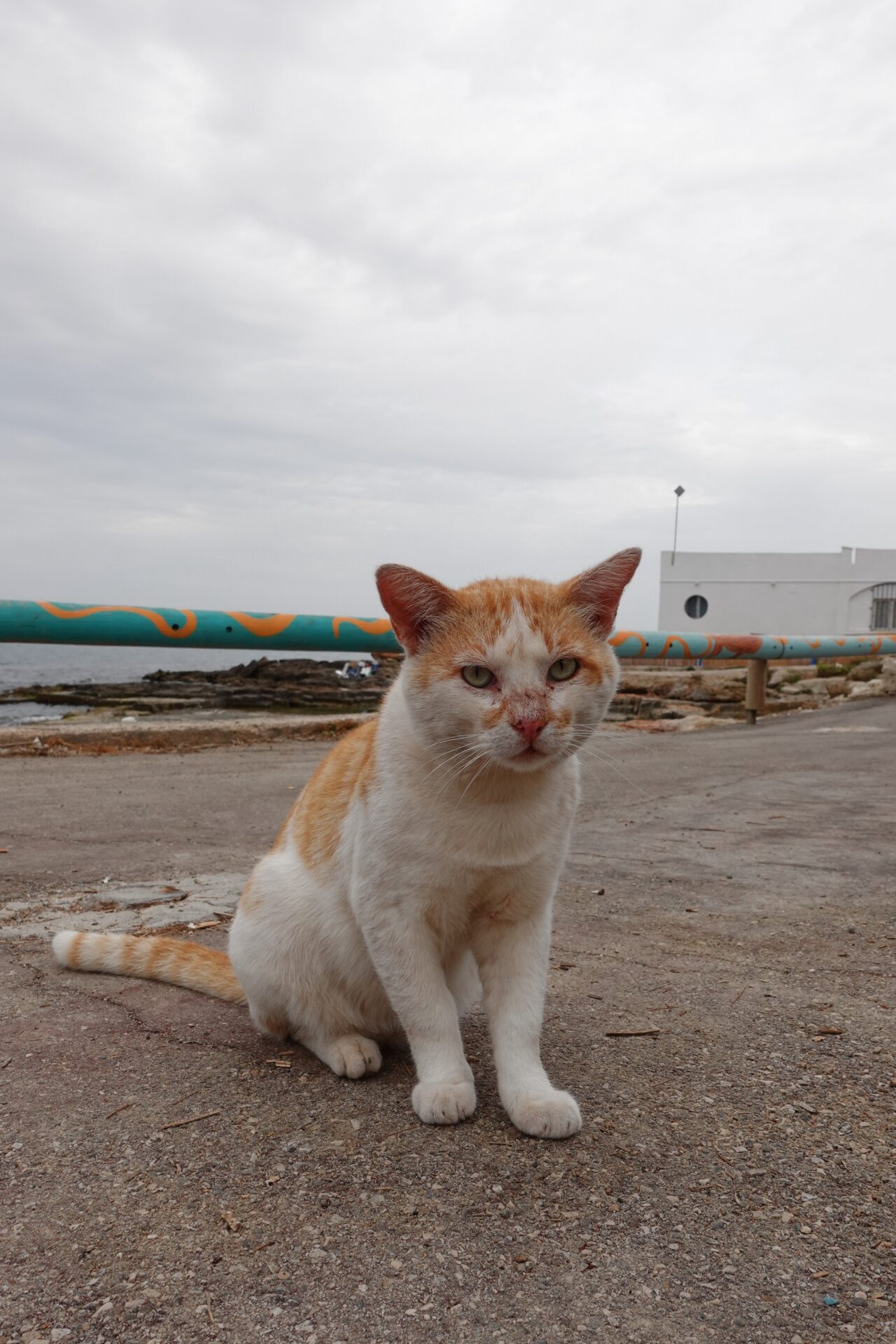
But what no one tells you is that the town is just as much a place for cat lovers. It’s absolutely priceless to see them napping on top of the trulli’s iconic cone-shaped rooftops or weaving between souvenir shops. They make Alberobello feel less like a tourist attraction and more like a living, breathing village.
If you’re planning a trip to Alberobello, this guide covers everything that matters: where to stay, the top attractions in each part of town, the best spots to see cats, how to get there, and much more.
Is Alberobello worth visiting? Discover the trulli, cats, and top attractions
What are trulli?
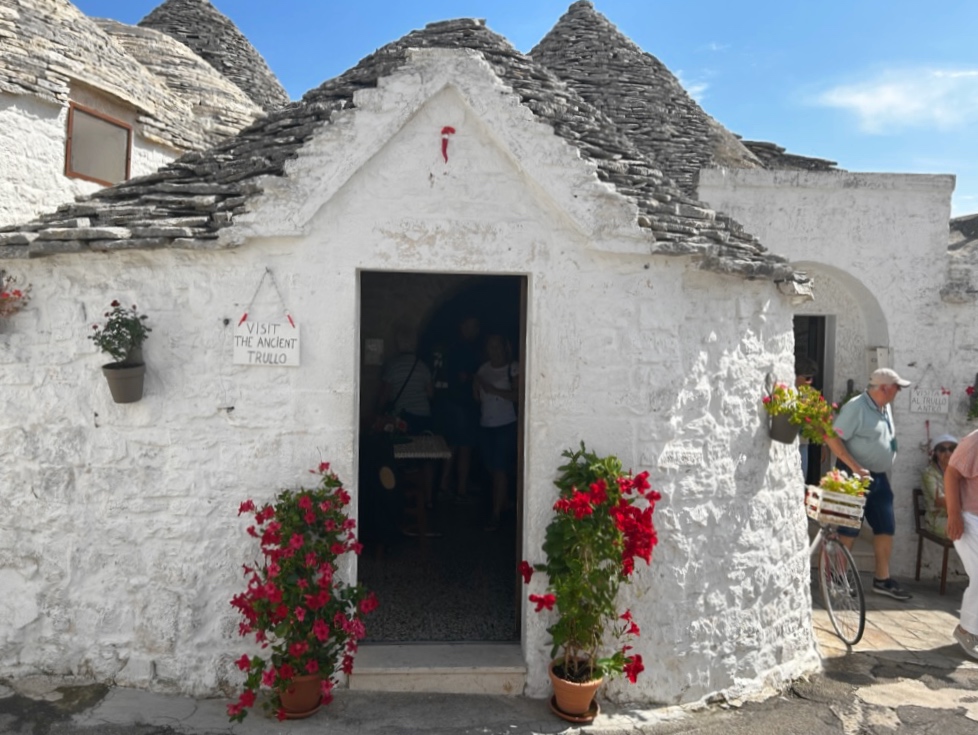
Trulli (plural for trullo) are traditional dry stone huts with conical roofs. You’ll spot them all over Puglia, but especially in Alberobello.
Their style dates back to prehistoric times. Farmers and laborers built them as field shelters, storage spaces, or modest family homes.
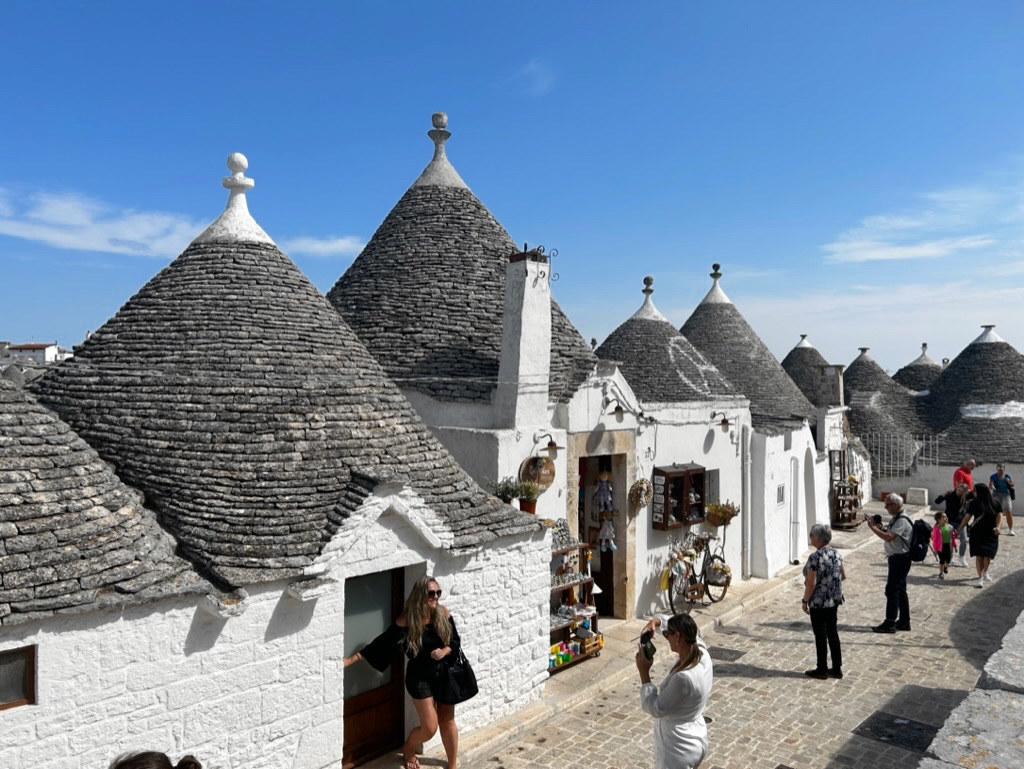
Builders used a method called corbelling to create the conical roofs. They stacked local limestone in shrinking circles until they reached the top, then finished with a keystone, often decorated. This technique, combined with the limestone, keeps the interiors cool during the hot summers.
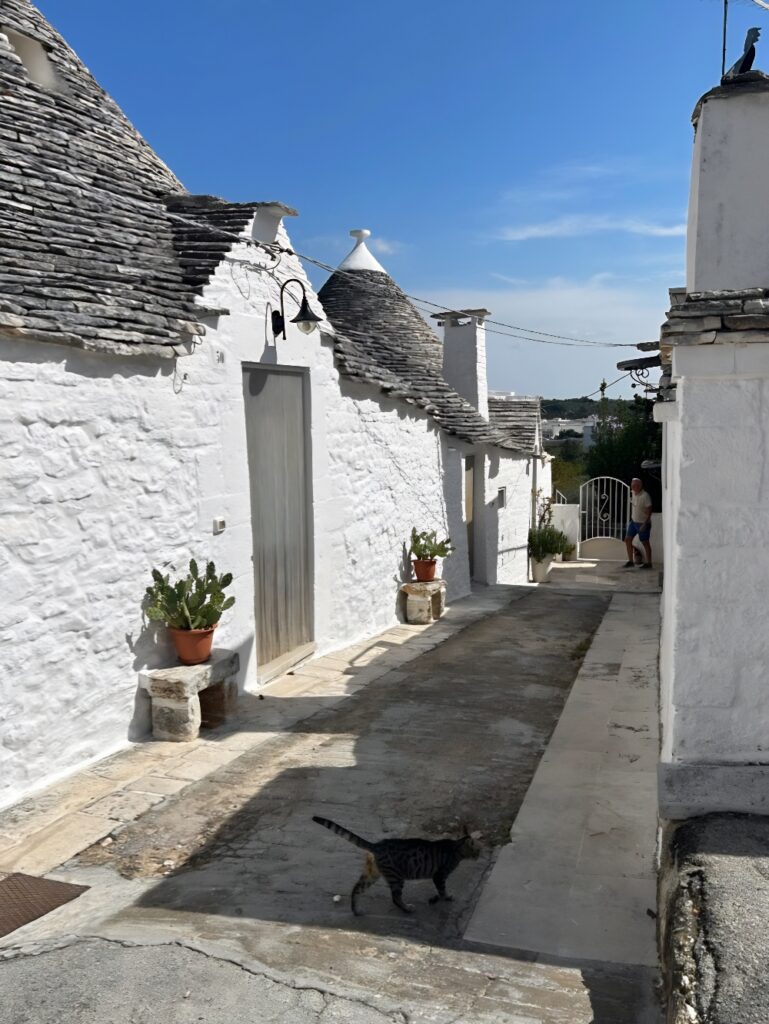
Most trulli are whitewashed, and many roofs display painted symbols. Some represent religious or mystical signs meant to protect the household. Others mark the builder or owner.
You can spot trulli throughout the Itria Valley, scattered along country roads and olive groves. Alberobello, however, holds the largest concentration. That makes it the best place to see how these unique huts shaped the landscape and culture of Puglia.
📍 Tip: Did you know you can actually spend the night in a real trullo? They are even surprisingly affordable. Check out photos, prices, and booking details here.
Why are there more trulli in Alberobello than elsewhere?
Alberobello’s remarkable concentration of trulli comes down to history and economics. In the 14th century, the area was dense forest under the control of Count Acquaviva. He allowed peasants to clear the land and build homes, but with one condition: the houses had to be easy to dismantle so the kingdom could avoid property taxes from Naples.
The people responded by building trulli. Using only dry stone and no mortar, they created structures that could be taken apart quickly. The roofs could be disassembled in minutes by removing the keystone. This made trulli both practical and tax-proof.
Alberobello’s location also mattered. Tucked away in the Itria Valley and far from major cities, the town developed without much outside architectural influence. Generation after generation, residents passed down the same building techniques, which became part of the region’s identity.
By the 20th century, the Alberobello trulli caught the eye of travelers. Tourism grew, and with it came recognition of their cultural and historical value.
In 1996, UNESCO declared Alberobello a World Heritage Site, a decision that both protected the trulli and placed the town firmly on the map for visitors from around the world.
Top attracts – Which Alberobello trulli are not to be missed?
- Trullo Sovrano: One of the few two-story trulli in Alberobello. It has been converted into a museum, offering insights into the history and architecture of trulli. Inside, you can explore the various rooms and learn about the traditional way of life in these unique dwellings.
- Trullo Siamese: The Trullo Siamese is a pair of joined trulli, forming a unique structure that appears as if two trulli are fused together. It’s a distinctive example of the creativity and craftsmanship involved in trullo construction.
- Trullo Church of St. Anthony (Chiesa a Trullo di Sant’Antonio): This trullo has been converted into a church and stands as a testament to the blending of religious and architectural heritage in Alberobello. It showcases the adaptability of trulli for various purposes.
- L’Altro Trullo: L’Altro Trullo is a trullo that has been converted into a restaurant. Its unique charm lies in its combination of traditional architecture and the modern use of the space for dining, offering visitors a chance to experience both aspects.
📍Tip: To really get the most out of these iconic trulli, a 2-hour guided Alberobello Trulli Tour is unbeatable. You’ll skip the lines, learn the history behind the cone-shaped roofs, and discover hidden trulli that most visitors miss — all while enjoying insider tips from a local guide. Check availability, prices, and book your tour here.
Cats in Alberobello
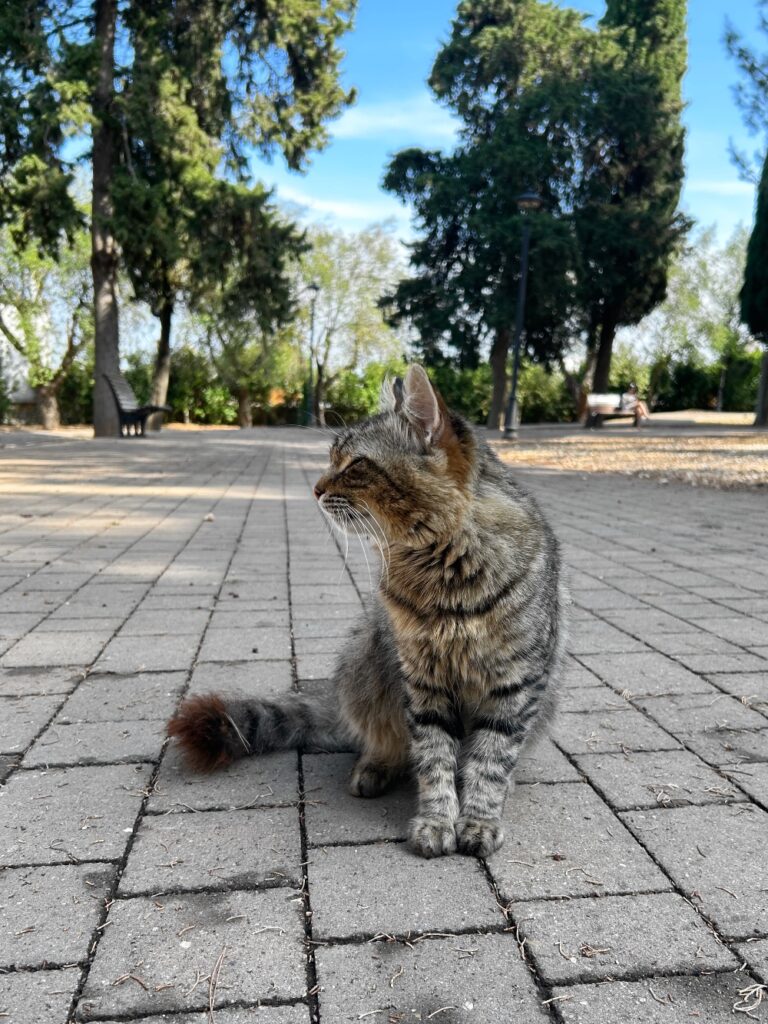
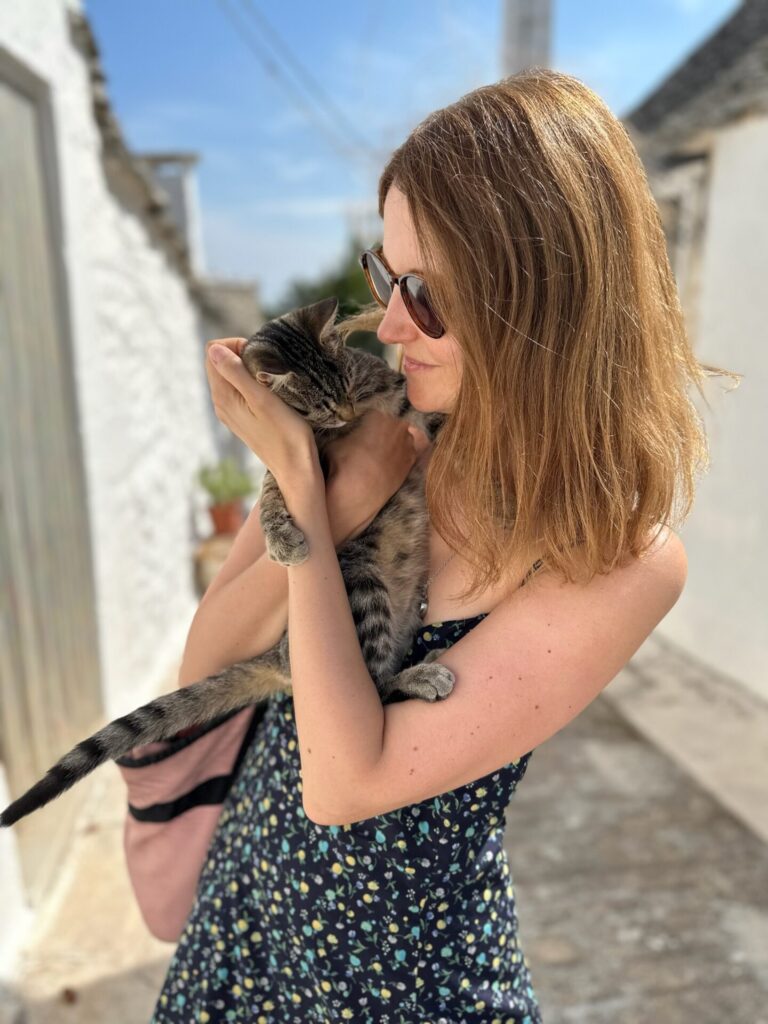
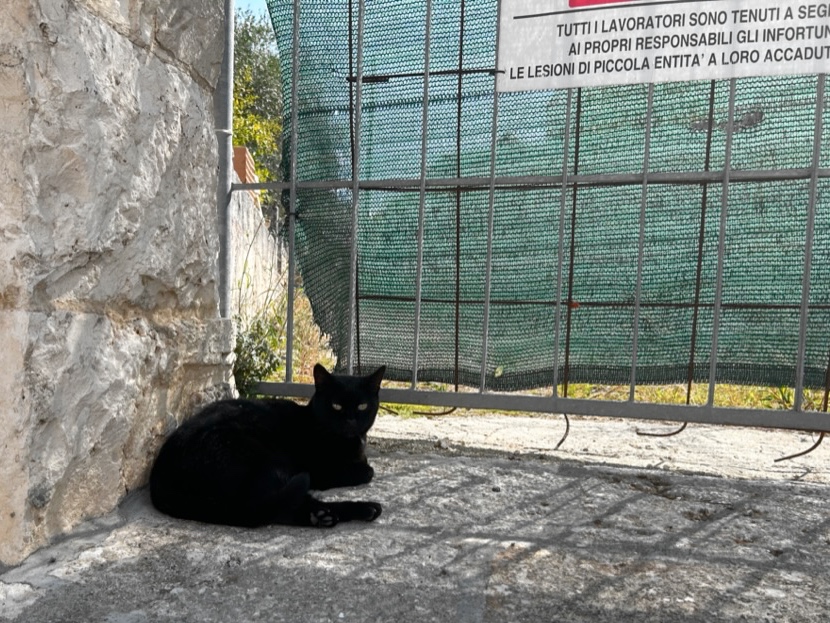
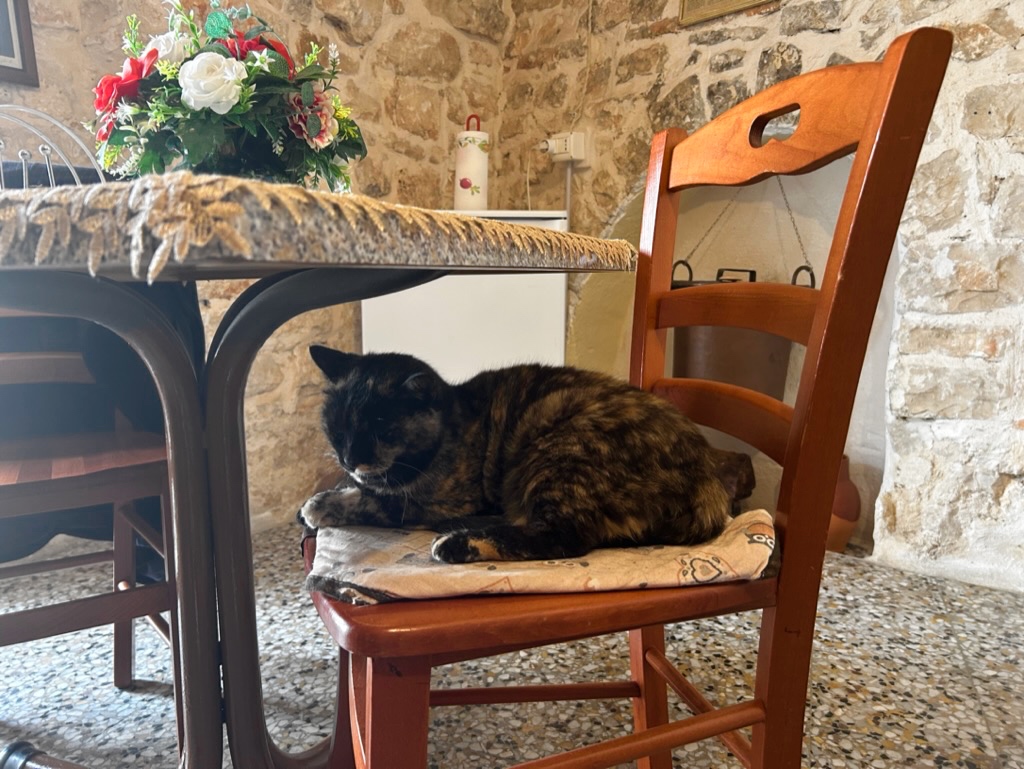
One thing I didn’t expect in Alberobello was the sheer number of cats. I noticed the highest concentration of cats in Aia Piccola, the quieter residential quarter, and in the small parks around the trulli.
They’re not strays. Most belong to families who live in the trulli. Others are looked after by the shop owners.
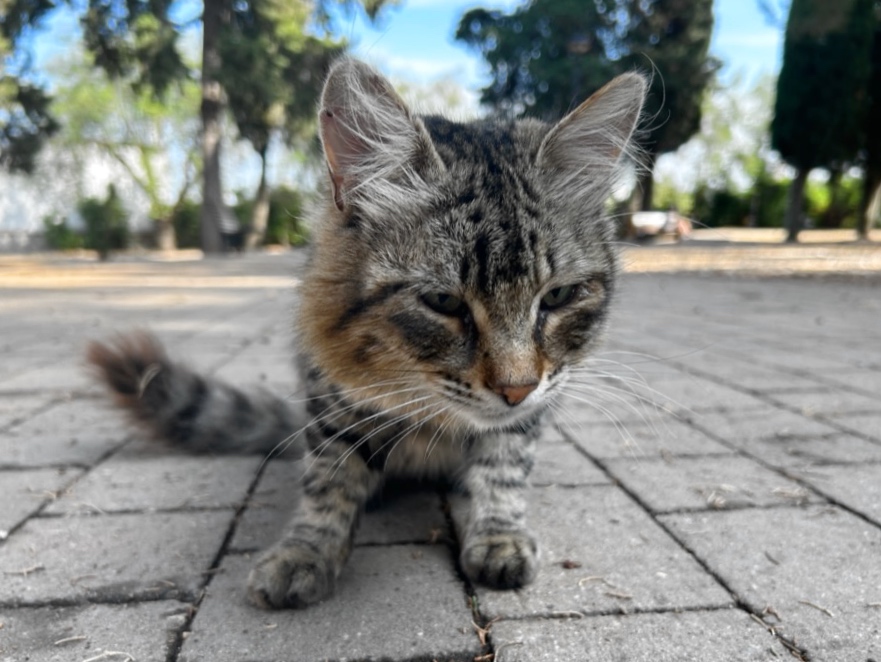
I kept spotting them slipping through hidden openings in the stone walls, finding ways in and out of houses I never would have noticed were it not for the cats.
The cats are very much part of Alberobello’s charm. They add an extra layer of life and character to the already photogenic streets.
In the past, when agriculture and food storage shaped daily life here, cats even served a practical purpose. They protected harvests, barns, and pantries from mice and rats, making them just as important to the town’s survival as the stone huts themselves.
How to avoid crowds and see more cats?
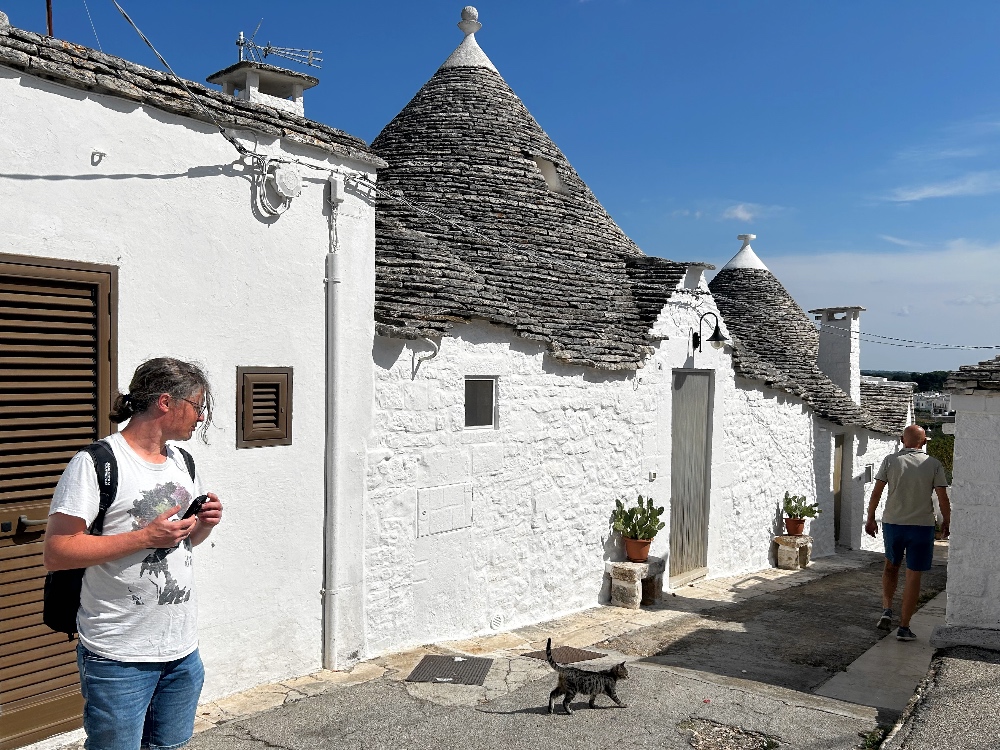
One thing I didn’t like about Alberobello was the considerable influx of tourists streaming through the streets. It’s also the only barrier standing between you and the cats, because animals quickly grow apprehensive and seek refuge when faced with a surplus of people.
Our visit to Alberobello on September 26 revealed a town bustling with visitors. Imagine what that must be like during the summer months.
On the other hand, Alberobello is where I noticed the highest concentration of tourists in all of southern Italy, much more than in Pompeii, Cozze, Positano, and Matera, for example.
Personally, I don’t mind these fellow travelers. But if you’re more like my boyfriend and the cats of Alberobello, here are some tips to navigate around the crowds:
Visit the Aia Piccola part of Alberobello
Alberobello is traditionally divided into two distinct parts: Rione Monti and Aia Piccola.
Rione Monti
Rione Monti is the more touristy and well-known part of Alberobello.
The trulli here cluster tightly along narrow streets and alleys, creating the iconic landscape most visitors associate with the town.
Many of these trulli have been converted into shops, restaurants, and accommodations, which makes the area bustling and full of energy.
Aia Piccola
Aia Piccola feels completely different. This quieter neighborhood spreads its trulli farther apart. The streets are more residential, without souvenir shops or tourists.
Obviously, there were a lot more cats here than anywhere else in town.
However, both Rione Monti and Aia Piccola give you a chance to appreciate Alberobello’s trulli architecture while soaking in the local culture, but they offer very different vibes.
Early morning or late afternoon visits
Tourist crowds are typically smaller in the early morning or late afternoon. Visit the Alberobello trulli during these times if you want to see more cats.
Weekday visits
Weekdays tend to be less crowded than weekends, especially outside of the tourist season. Plan your visit during the weekdays to avoid the peak tourist influx.
Off-peak seasons
Visit the trulli of Alberobello during the off-peak seasons, which are in the spring (April to June) and fall (September to October). There will still be plenty of tourists, but fewer compared to the peak summer months.
Winter months are the best since they offer a more unique and quieter experience. The town takes on a serene atmosphere, and you can enjoy the trulli without the bustling crowds. The weather will be chillier, though.
Spend the night in a traditional Alberobello trullo
Consider staying overnight. I regret not opting for a stay in one of the town’s traditional trulli. It would have presented an excellent opportunity to immerse ourselves in the true Alberobello experience and to evade the crowds, given that many tourists visit as a day trip.
Where to stay?
There are a lot of trulli accommodations in Alberobello, and most offer quite similar experiences Here are several options that are generally highly regarded within the tourist community:
- Trulli Holiday Albergo Diffuso: A variety of trulli houses scattered throughout the historic center of Alberobello. Each trullo is uniquely decorated for an authentic and cozy experience. Check prices and availability here.
- Casa d’Amore (Trullo Love): A trullo that has been turned into a charming bed and breakfast. Check prices and availability here.
- Le Alcove Luxury Hotel Nei Trulli: A luxury experience, Le Alcove features elegant trulli suites with stylish interiors. The hotel is situated in the heart of Alberobello, allowing easy access to the main attractions. Check prices and availability here.
- Trulli del Bosco: Set in a tranquil area just outside Alberobello, Trulli del Bosco provides a peaceful retreat in traditional trulli surrounded by nature. It’s a bit removed from the tourist hub, offering a quieter atmosphere. Check prices and availability here.
- Trulli Paparale: A family-run accommodation with a personal touch. The trulli are well-maintained and furnished in a traditional style. Check prices and availability here.
- Trullidea: A variety of trulli accommodations, including standalone trulli and larger complexes suitable for families or groups. Some trulli come with kitchen facilities for a more independent stay. Check prices and availability here.
- Trulli Resort Monte Pasubio: Located in the Aia Piccola district, this resort offers a quieter ambience. The trulli are renovated and have gardens. Check prices and availability here.
📍Compare prices and booking information for all the trulli accommodations HERE.
Dining and local favorites
In Alberobello, restaurants can get extremely crowded and are nearly always full, even outside peak season.
A smarter way to experience the town’s flavors is to book a food tour, cooking class, or wine tasting in advance. Not only do these experiences give you a taste of local cuisine, but they also guarantee you’ll enjoy it without waiting in line.
Here are some of the top food attractions you can book ahead:
- Dining Experience at a Local’s Home
- Trullo Cheese and Wine Tasting
- Trullo Cooking Class and Dining Experience
- eBike Tour and Orecchiette Class
- Winery Tour With Food Tasting
- Pasta and Tiramisu Class at a Local’s Home
- Guided Tour of a Traditional Cheese Factory, Mozzarella Workshop, and Food Tasting
How much time do you need in Alberobello?
A two-hour window is enough to visit Alberobello.
Within this time frame, you can explore the Rione Monti and Aia Piccola districts and visit some of the best attractions and most famous trulli.
You can end your visit of Alberobello with one of the dining options mentioned above.
Dedicating an entire day to Alberobello feels excessive due to the limited number of attractions and the potential for crowding during lunch and other activities. That’s why many people opt for guided tours that combine Alberobello with a trip nearby towns such as Matera (my favorite), Monopoli & Polignano a Mare, etc.
However, as I mentioned earlier, I regret not having spent the night in Alberobello.
If you’re not short on time, the best approach would be to arrive in the afternoon, explore the trulli, enjoy a cooking class or food tasting, and then stay overnight. The following morning, you could then depart for your next destination.
How to get to Alberobello?
Guided tour with pickup
The easiest way to explore Alberobello is with a guided tour that includes pickup from nearby cities like Bari, Monopoli, Brindisi, Lecce, or Polignano — it takes the stress out of transportation and lets you enjoy the trulli and local sights without any hassle. Check out options and prices here.
Train
Another easy way to get to Alberobello is by taking the train from Bari, since this is one of the only neighboring cities with a direct connection.
You can take the train from Bari Centrale to Alberobello. The Alberobello train station is located a bit outside the town center, and the journey takes approximately 1.5 to 2 hours.
Bus
You will have to start in Bari again, since there are no direct buses elsewhere.
FSE buses operate from Bari to Alberobello. The bus journey takes approximately 1.5 to 2 hours. These buses depart from the Bari Centrale bus station.
Bus Stops in Alberobello:
- Alberobello Train Station: If you arrive by train, you’ll disembark at the Alberobello train station, which is slightly outside the town center. Bus tickets can typically be purchased at the bus station or directly from the bus driver.
- Alberobello Centro: This is the central bus stop in Alberobello, located near the Rione Monti district and the majority of trulli.
Car
Chances are you’ll be visiting Alberobello as part of a larger Italian roadtrip. If so, it’s good to know in advance which well-known cities and villages are closest to Alberobello. This will allow you to plan for the shortest and most convenient routes during your exploration of Puglia and the surrounding region. You can check out the best rates for car rental opportunities in Puglia here.
- Locorotondo (about 10 kilometers southeast of Alberobello)
- Martina Franca (approximately 15 kilometers southwest of Alberobello)
- Cisternino (around 15 kilometers northwest of Alberobello)
- Noci (about 15 kilometers northeast of Alberobello)
- Putignano (around 20 kilometers southeast of Alberobello)
- Polignano a Mare (approximately 30 kilometers southeast of Alberobello)
- Monopoli (approximately 30 kilometers east of Alberobello)
- Ostuni (about 40 kilometers northwest of Alberobello)
- Conversano (about 60 kilometers northwest of Alberobello)
- Bari (about 70 kilometers northwest of Alberobello)
- Brindisi (about 80 kilometers southeast of Alberobello)
Is Alberobello worth visiting?
I’d argue that Alberobello deserves a visit. It’s undeniably distinctive—a true architectural marvel with a style unlike anywhere else. But does it make my list of favorite spots in southern Italy? Not quite.
My boyfriend, on the other hand, really didn’t enjoy it. The crowds felt overwhelming for him, almost like navigating an amusement park, and he compared the trulli to something out of a Smurf village.
But, of course, there are the cats. And you really don’t want to miss those.
They make for endless moments worth photographing—curling up in sunlit doorways, slipping through narrow alleys, or casually posing on the conical rooftops. Honestly, some of the best snapshots I took weren’t of the trulli at all, but of the cats that call them home.
Have you ever visited Alberobello? Let me know your thoughts in the comments.
Other Italian destinations for cat lovers
- Classense Library in Ravenna
- Gattò Bistrot cat café in Portici
- Manarola (Cinque Terre)
- Porto Venere (Cinque Terre)
- Procida
- Rome
- Venice
- Vernazza (Cinque Terre)
- Vicenza
- Crazy Cat Café in Milan
- Riva Ligure
- Su Pallosu (Sardinia)
Also check out this list of all the cat cafés in Italy.
Pin this guide to Alberobello!



One Response
I have to say, we really loved our trip – it’s def a quick stop, but a really pretty addition to a road trip 🙂