 Skip to content
Last Updated on 15 June 2025 by Vanessa
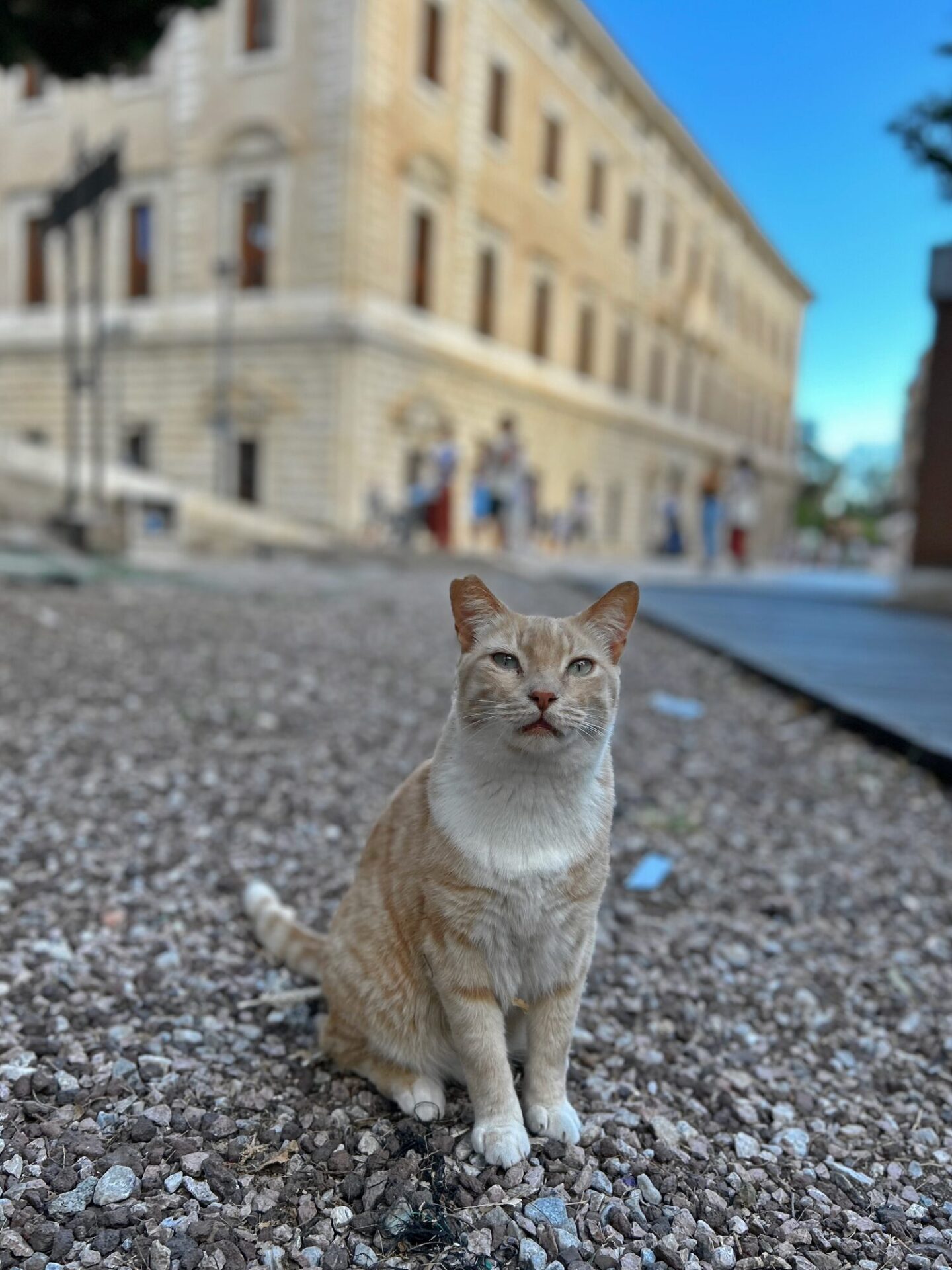
Looking for a purr-fect way to experience Spain’s rich history and a ton of cats? Then head straight to one of my favorite European cities—Málaga. The city’s Roman Theater in particular is teeming with cats! The furry residents are as much a part of the site as the ancient ruins themselves. Who knew the Málaga Roman Theater could be so… cuddly?
Meet the friendly cats of the Málaga Roman Theater!
Málaga Roman Theater: a short history
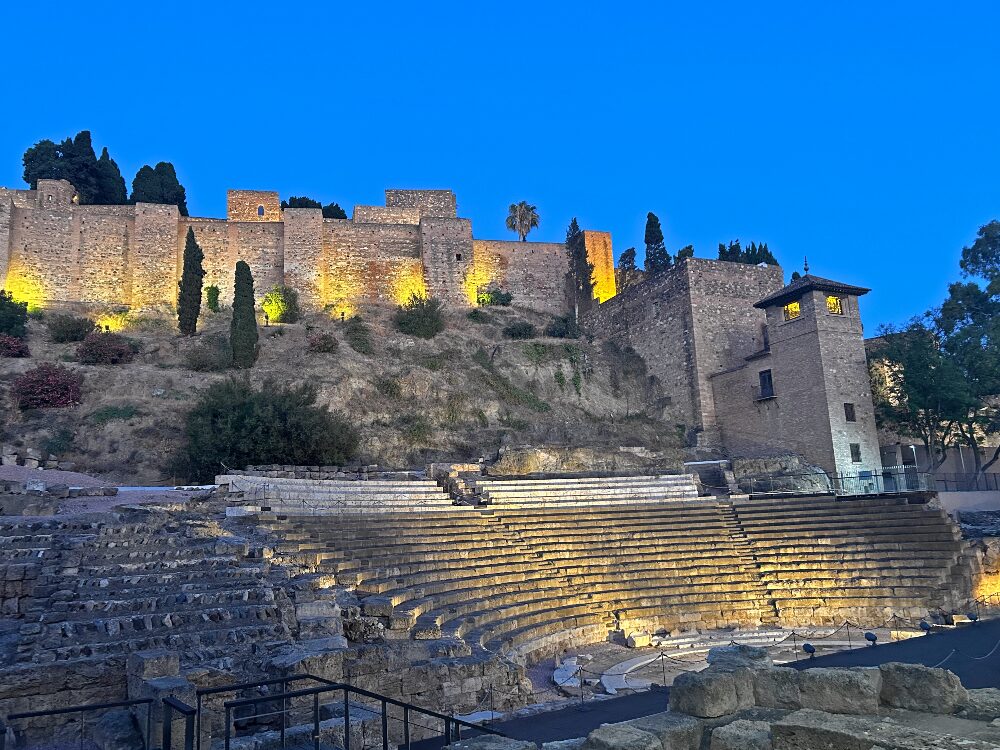
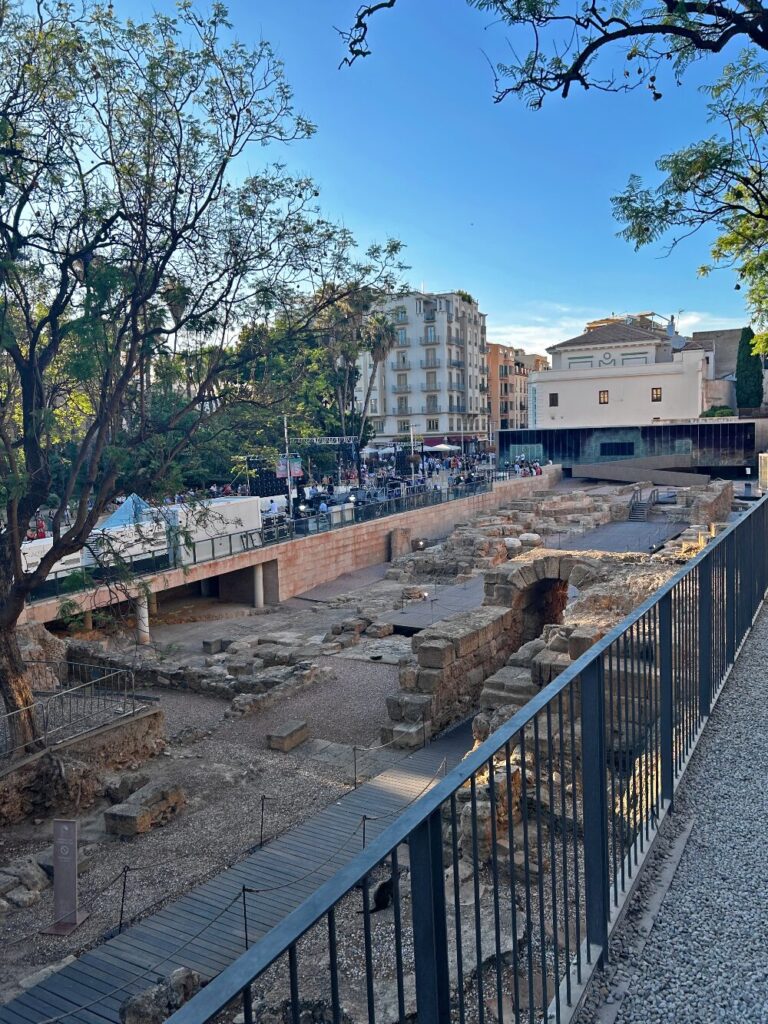
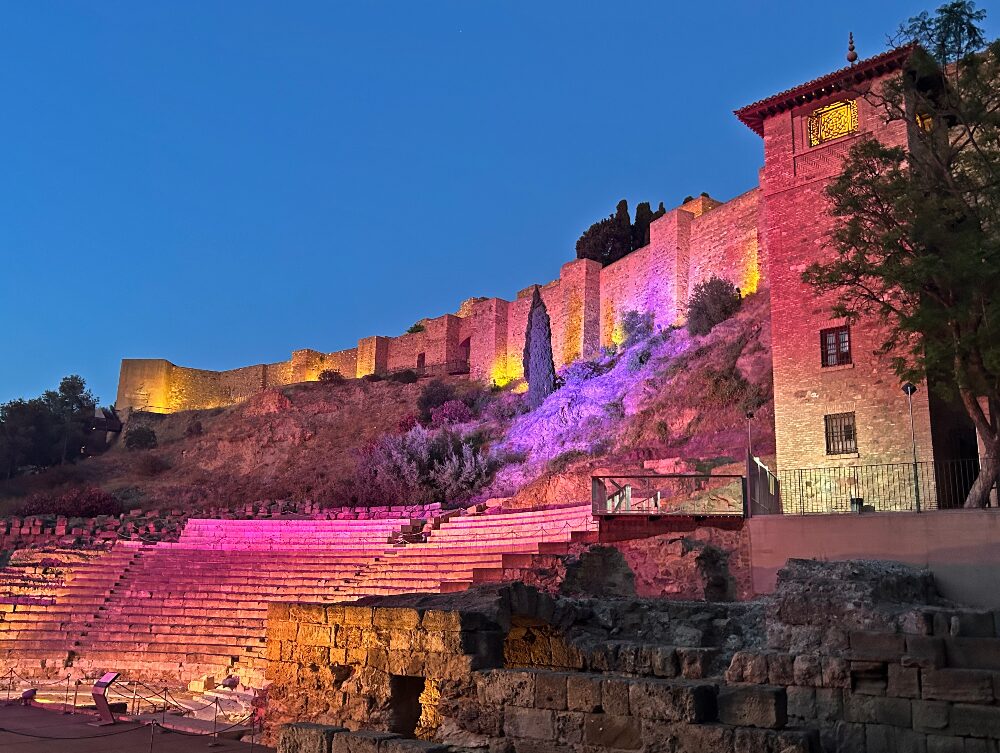
The Roman Theater, or Teatro Romano, sits in the heart of Málaga’s bustling city center, just a short stroll from the port. This remarkable piece of ancient history is a quiet witness to centuries gone by. It’s a vital chapter in the city’s story and a testament to the enduring legacy of Roman culture. Situated at the base of the Alcazaba fortress on the slope of Gibralfaro Hill, this theater forms part of a historic trio that embodies Málaga’s layered past.
The Roman Theater was not always visible, nor was it known to exist for much of modern Málaga’s history. It wasn’t until 1951, during the construction of a municipal building, that its hidden remains were accidentally uncovered. Archaeologists quickly realized the find’s significance, and the municipal building was eventually demolished to allow for the theater’s full excavation and restoration.
Today, this ancient structure is one of Málaga’s most important archaeological discoveries. Its proximity to other iconic landmarks like the Alcazaba fortress and the Gibralfaro castle creates a striking visual and historical contrast, linking the Roman, Moorish, and modern eras.
The theater’s historical significance
Constructed in the 1st century AD during the reign of Emperor Augustus, the Roman Theater reflects the Roman Empire’s emphasis on public entertainment and urban planning. The site was a cultural hub where locals gathered to enjoy theatrical performances, speeches, and other public events.
The theater was operational for nearly two centuries before falling into disuse around the 3rd century AD.
During the Moorish period, materials from the theater were repurposed to construct the Alcazaba fortress, a practice common in the region.
Unique architectural blend
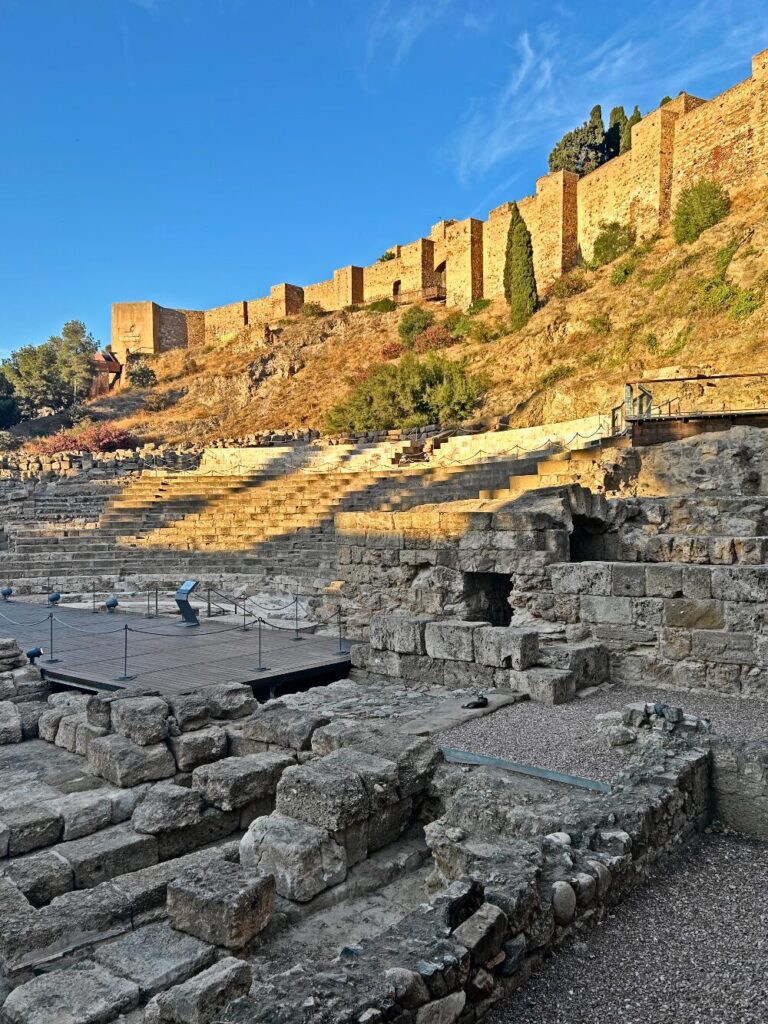
What sets Málaga’s Roman Theater apart is its design, which merges typical Roman architectural features with clever use of the natural landscape—a hallmark of Greek influence. The theater’s cavea (seating area) is built into the slope of Alcazaba Hill rather than being entirely freestanding. This design choice allowed the natural terrain to enhance the theater’s acoustics and structural stability.
The seating area has a radius of 31 meters and reaches a height of 16 meters, capable of accommodating up to 220 spectators. The performances’ focal point was the orchestra, a semi-circular stage area. In contrast, the scaena (stage) featured ornate marble decorations and exedras—semi-circular niches showcasing the artistic skill of the time.
Today, the ruins still convey the theater’s grandeur, inviting you to imagine the lively performances and gatherings that once took place here. Restored sections of the site are used for cultural events and concerts, breathing new life into an ancient space and bridging the gap between past and present. You can explore the remains of the theater up close and gain insight into Roman engineering and artistry through interpretive displays.
With the Alcazaba rising above and the Mediterranean breeze in the air, you’ll feel the weight of history in every stone.
The cats of Málaga Roman Theater
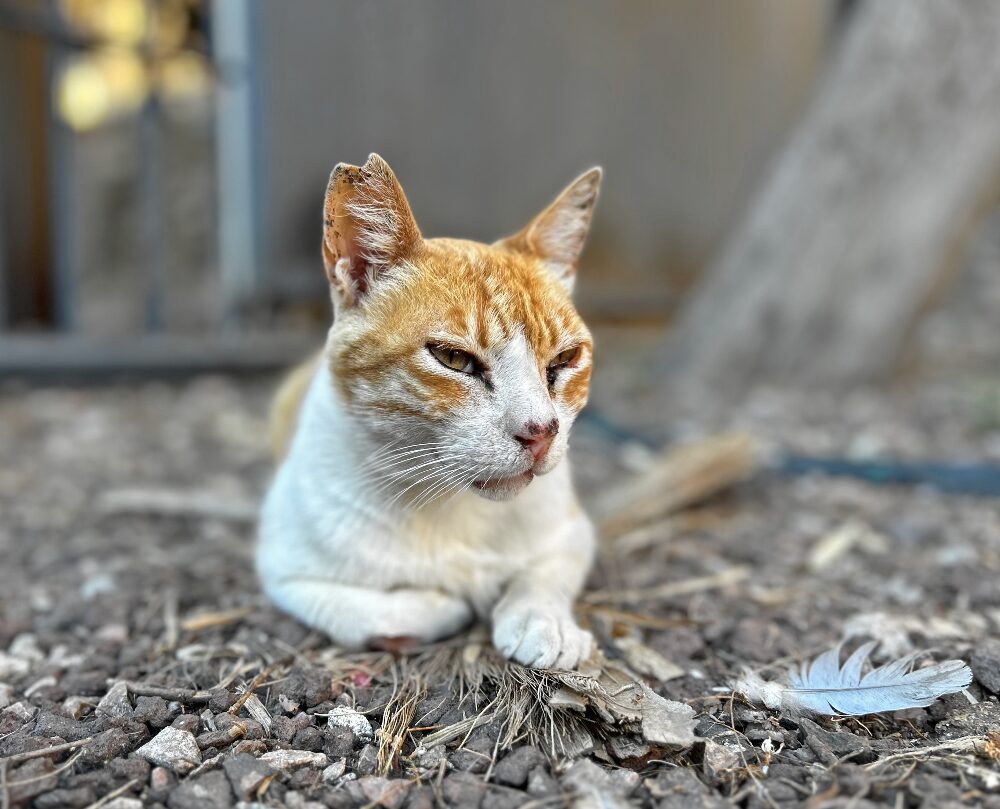
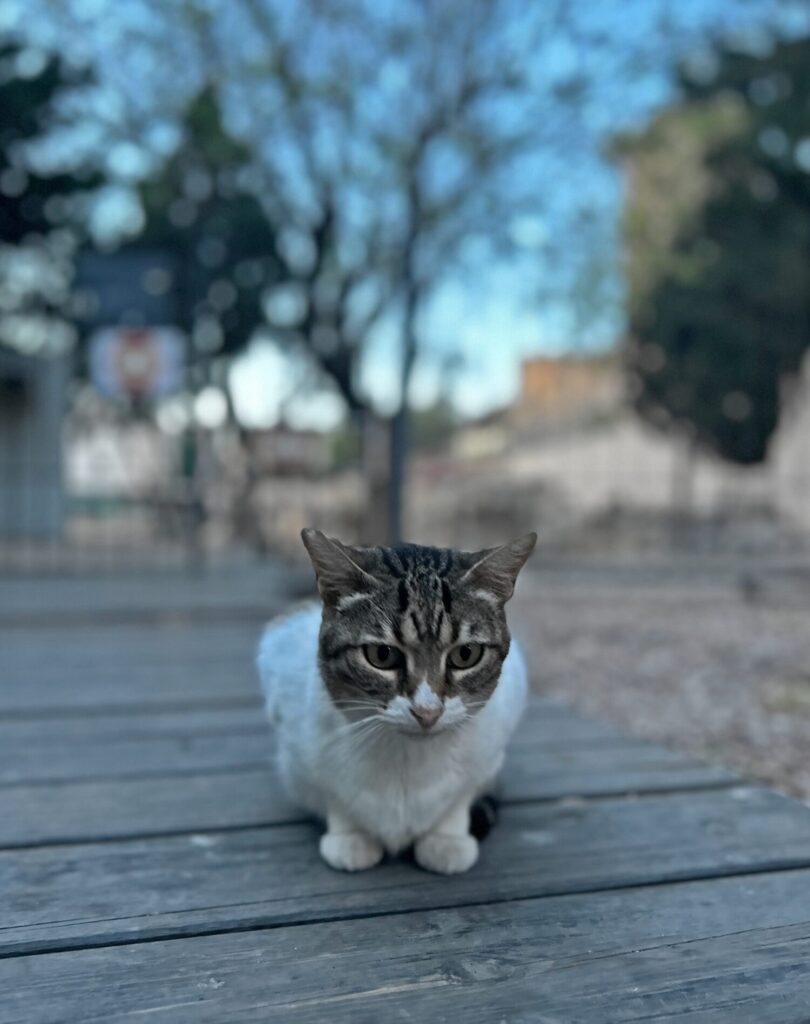
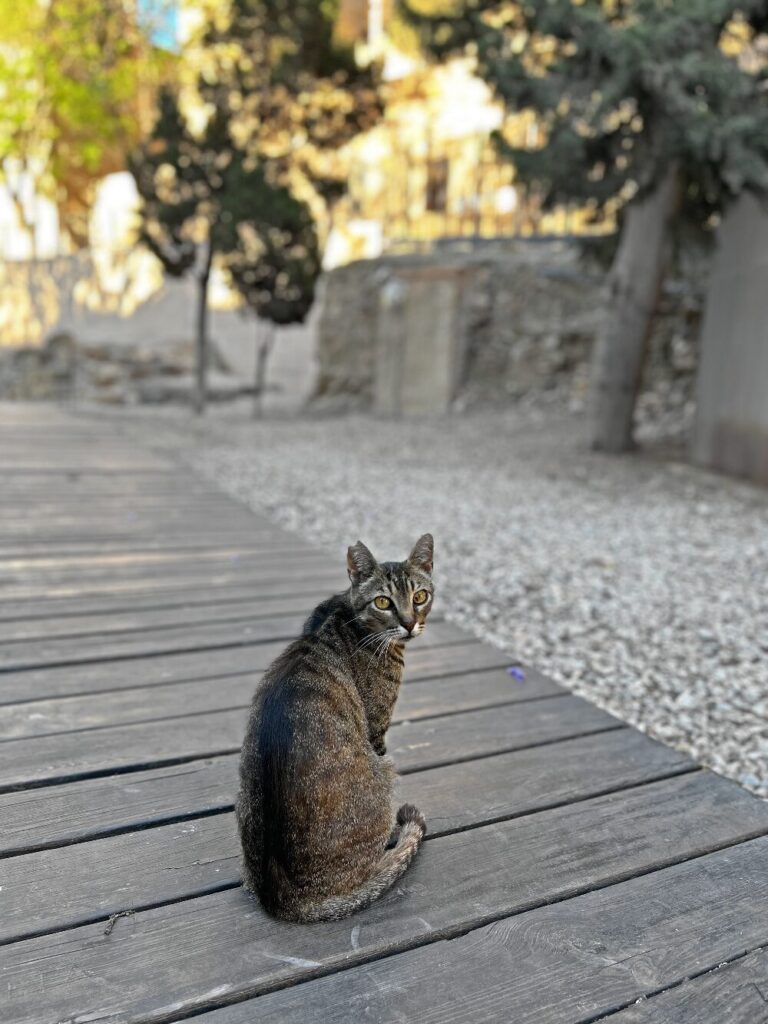
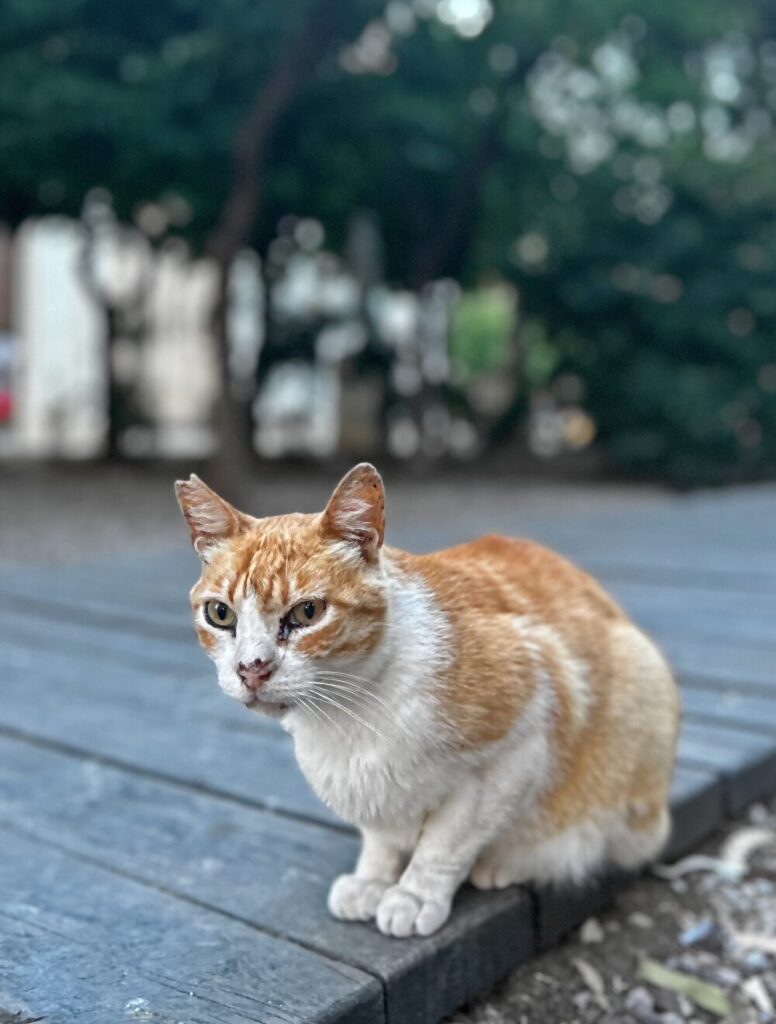
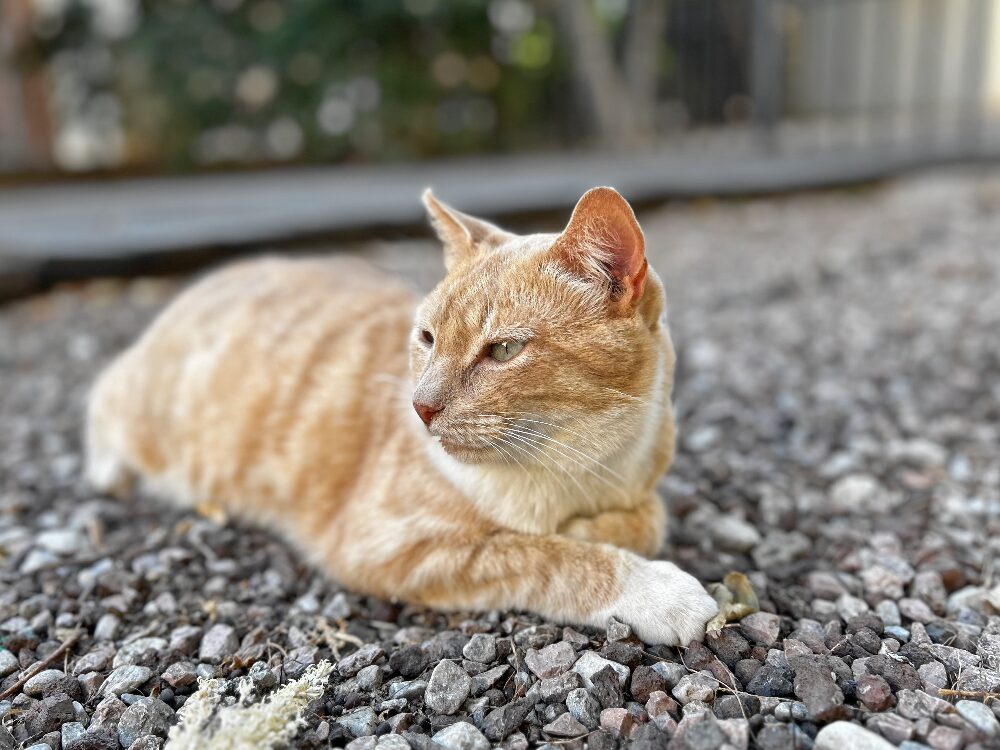
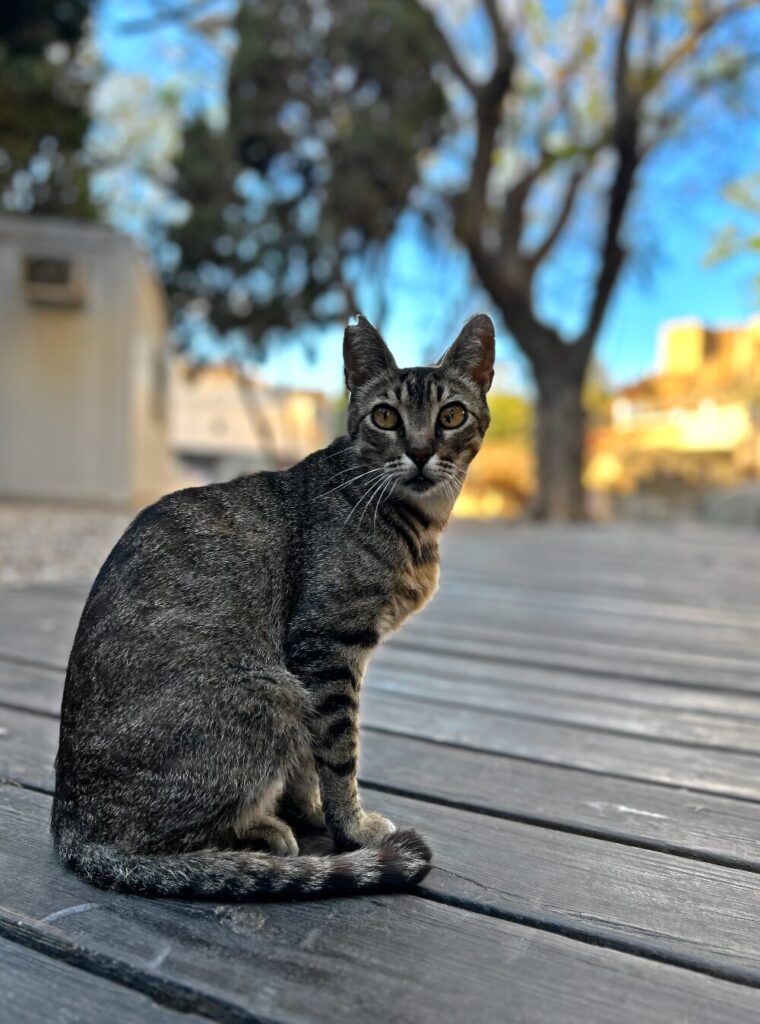
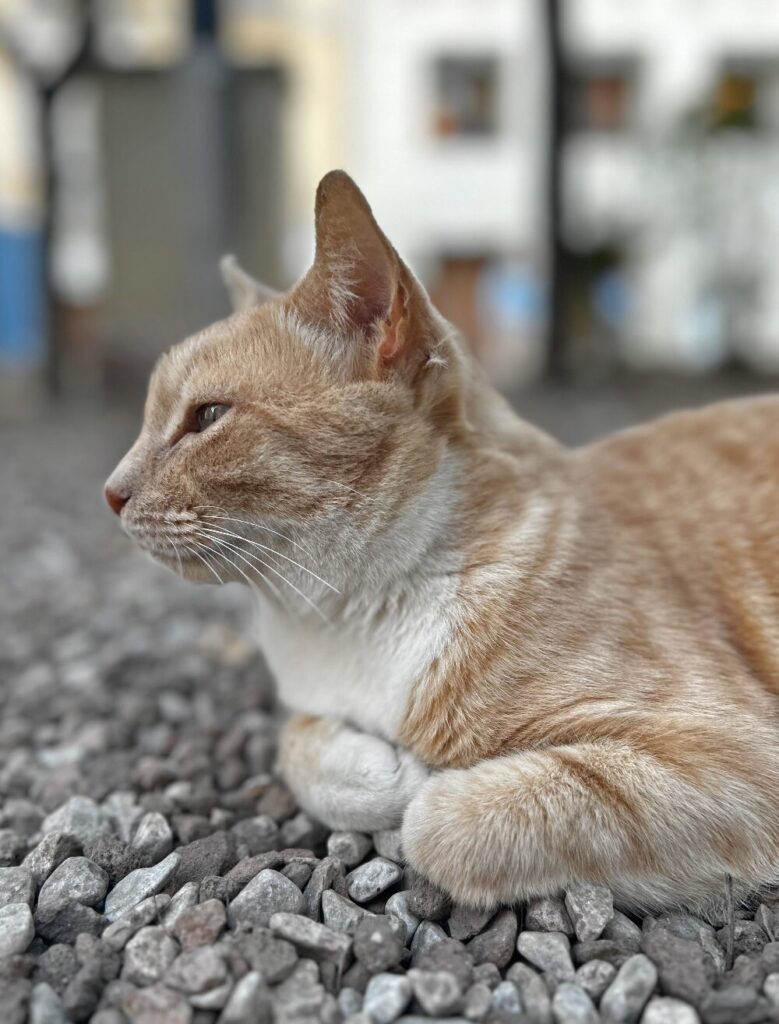
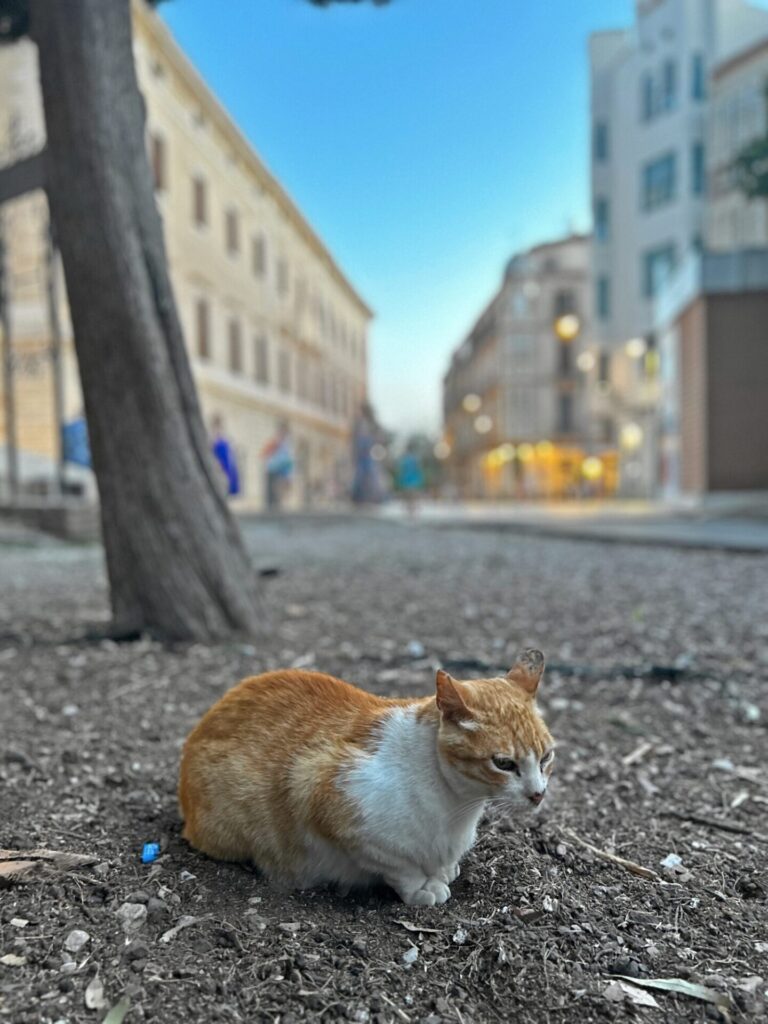
Just like the Colosseum or the Torre Argentina in Rome, the Roman Theater of Málaga is home to a colony of stray cats. You might miss them at first because they blend effortlessly into the ancient stones. But if you pause for a moment, take a closer look, and shift your attention to the quieter corners of the ruins, you’ll quickly notice its feline residents.
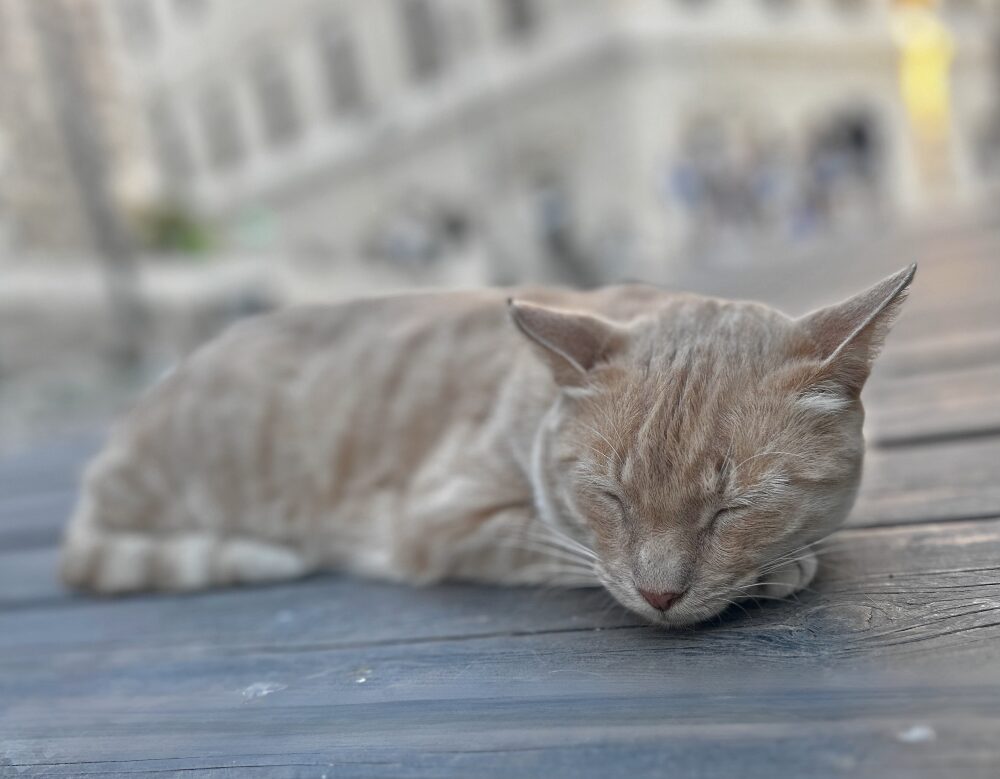
Look for them sprawled across the stone steps of the cavea, particularly in shaded areas. You can also see them strolling among the orchestra and stage, as if they’re inspecting their domain. You might even see them venturing up the slopes toward the Alcazaba, taking in the panoramic views of Málaga like seasoned connoisseurs.
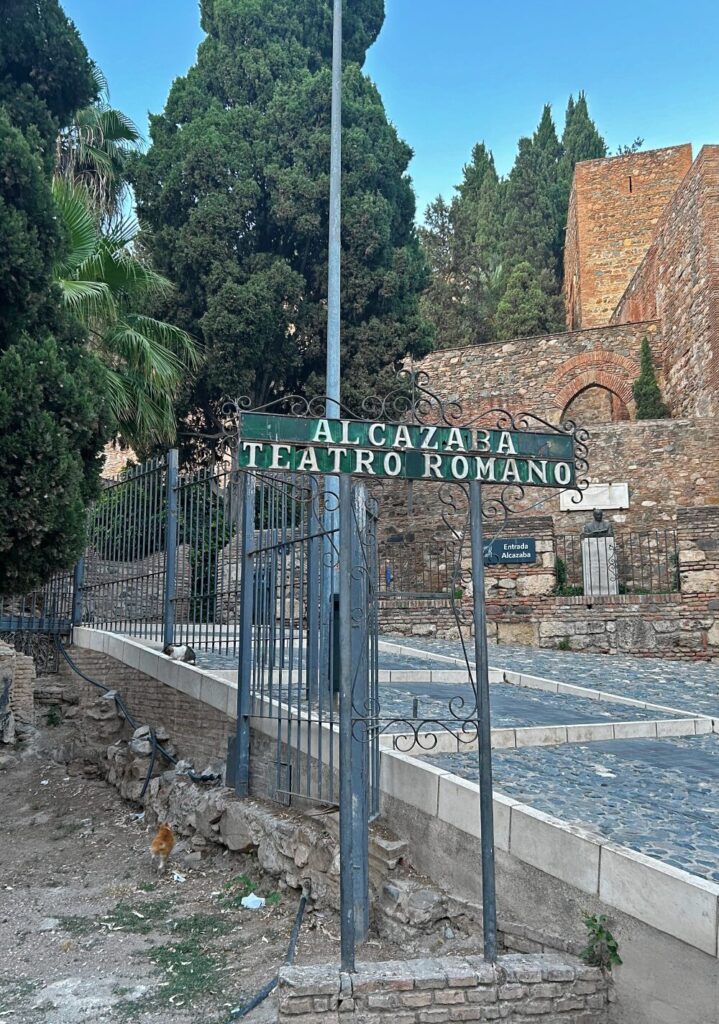
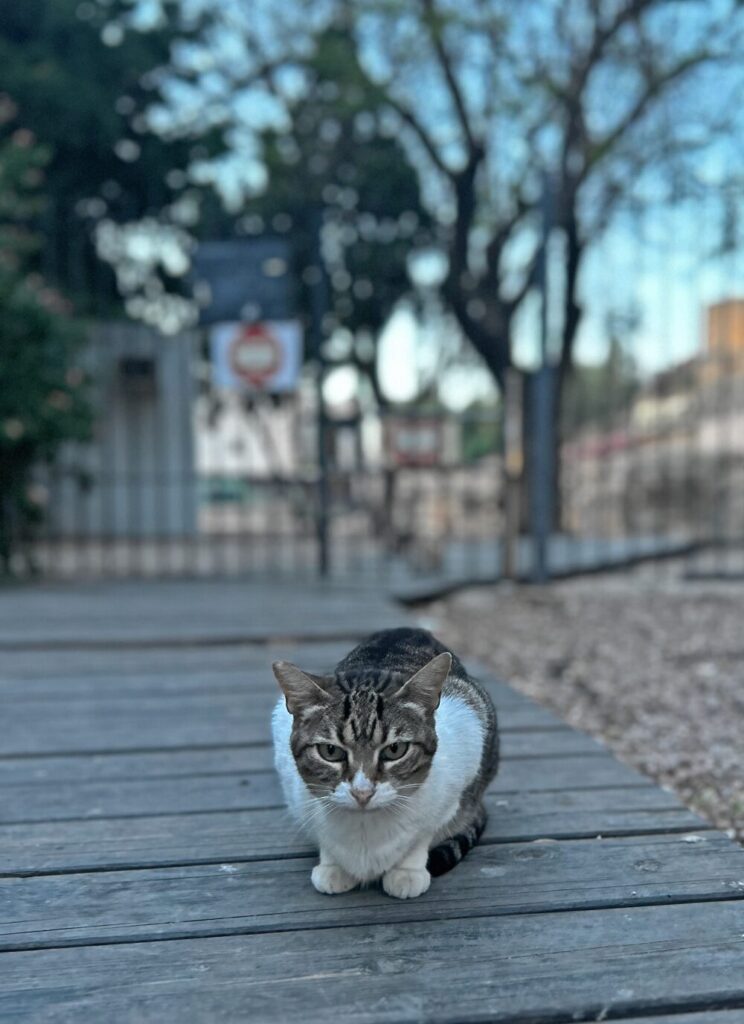
Can you spot the cat in the picture below?
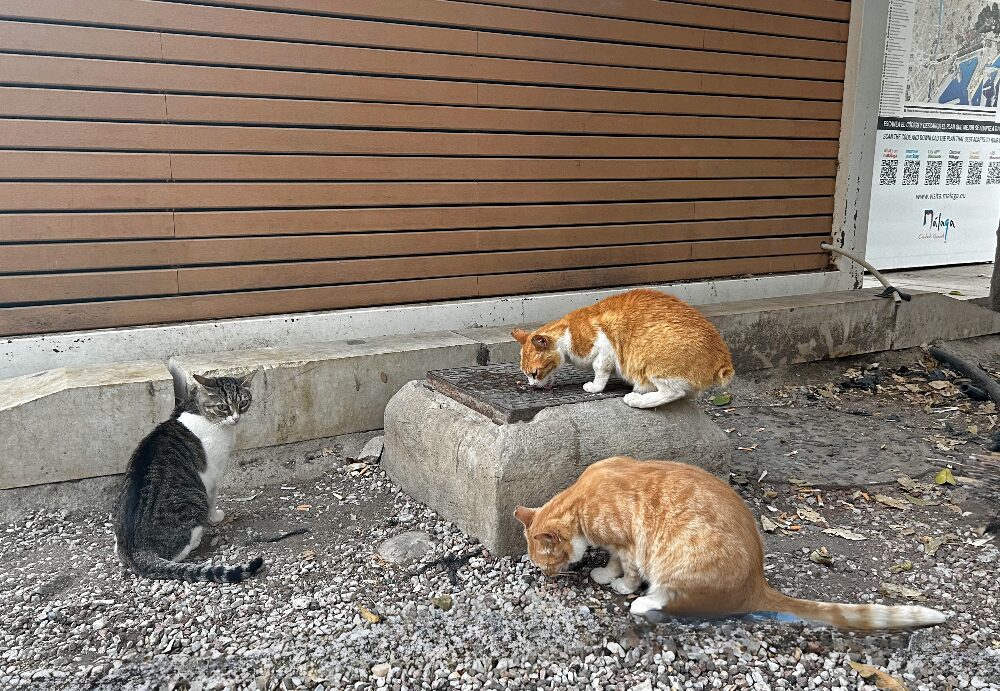
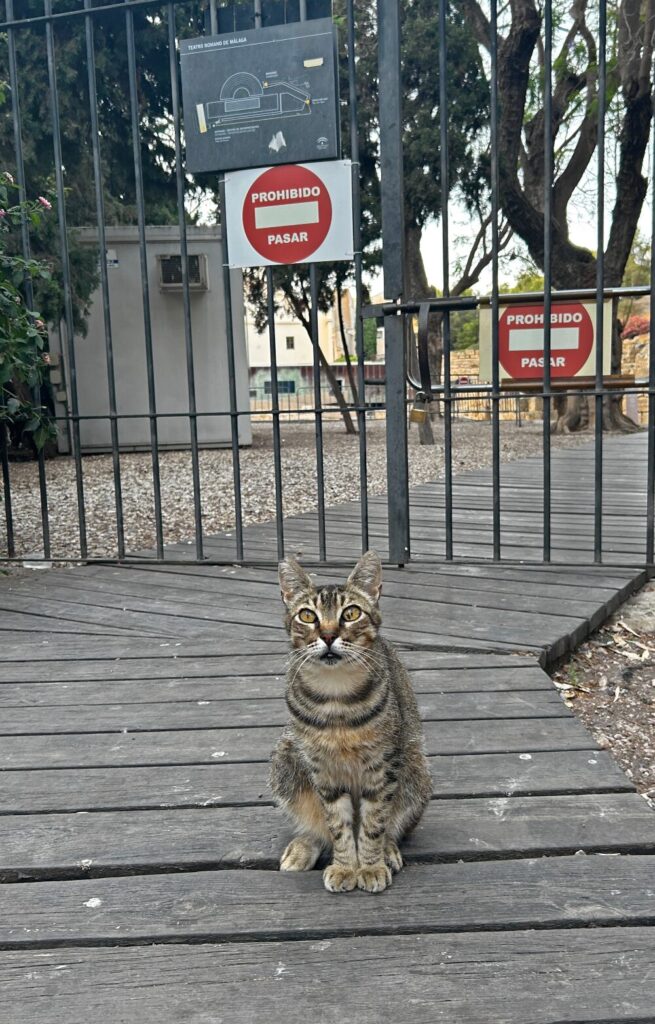
To appreciate the cats, you don’t need to venture deep into the theater itself (though entry is free). Spending a few quiet moments near the gates on the right side will reveal a world of feline activity you might otherwise miss. This is their favorite spot. Most of the cats gather here, especially in the early evening. Why? Because this is when volunteers arrive to feed them. It’s heartwarming to see these caretakers tending to the cats, creating a sense of community between the ruins, the animals, and the people who cherish them.
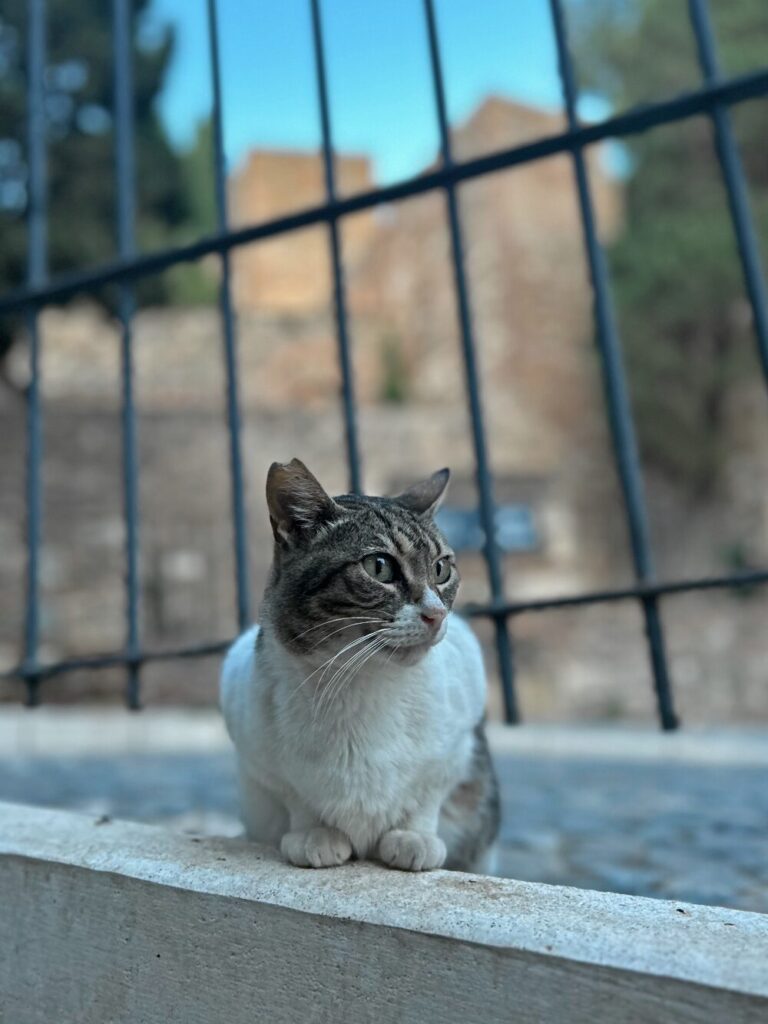
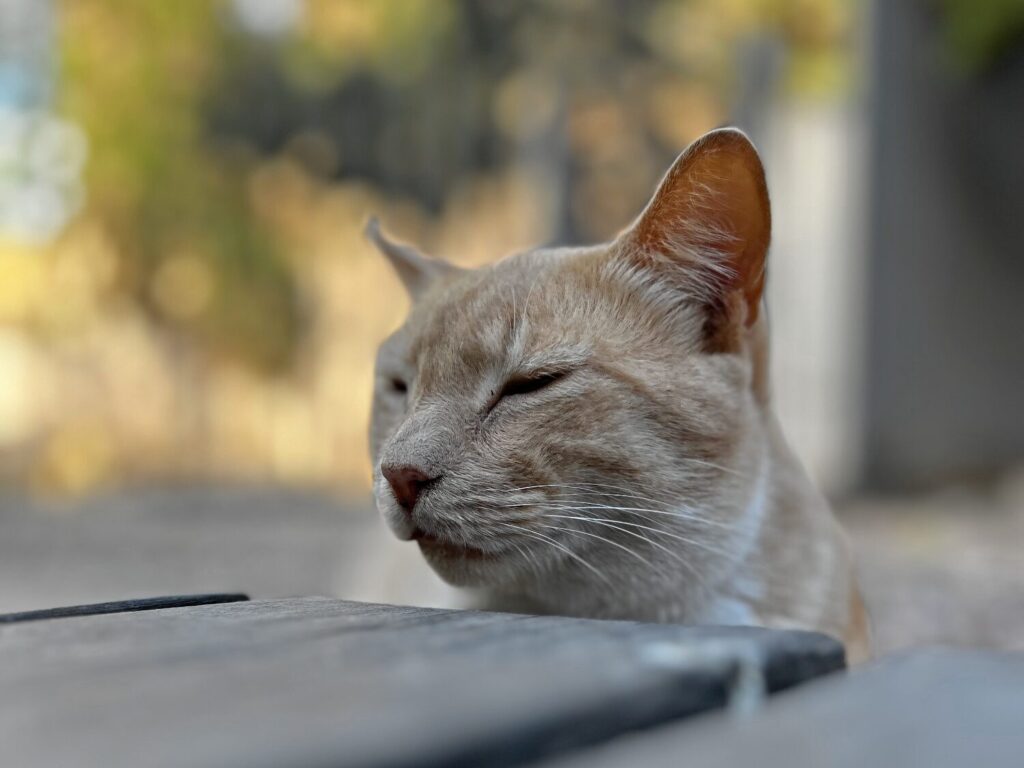
Even outside feeding times, you’ll find plenty of feline activity here. While some cats might be lounging in the quiet corners, others are happy to greet curious visitors. It’s not unusual for some confident cats to wander up for a quick selfie with a visitor before returning to its resting spot.
Why cats love the ruins
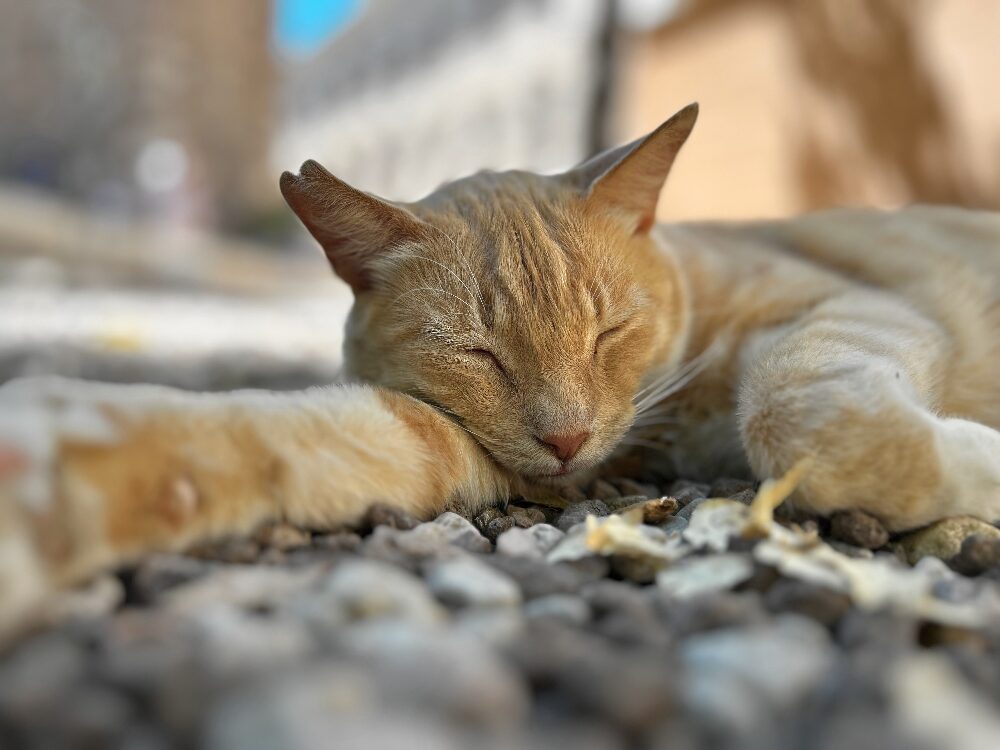
The answer lies in the theater’s design and atmosphere. The warm stones, softened by centuries of wear, make the perfect sunlit lounges for a cat’s afternoon nap. Meanwhile, the shady recesses of the cavea and the endless maze of nooks and crannies provide safe spots for sleeping or retreating from the midday heat and an excess of tourists. The Roman Theater is the safest spot in the city.
The theater’s proximity to Alcazaba adds charm for these feline residents. You can sometimes spot cats scaling the slopes toward the castle, enjoying the blend of wilderness and ruins that this area offers.
Cat welfare in Málaga
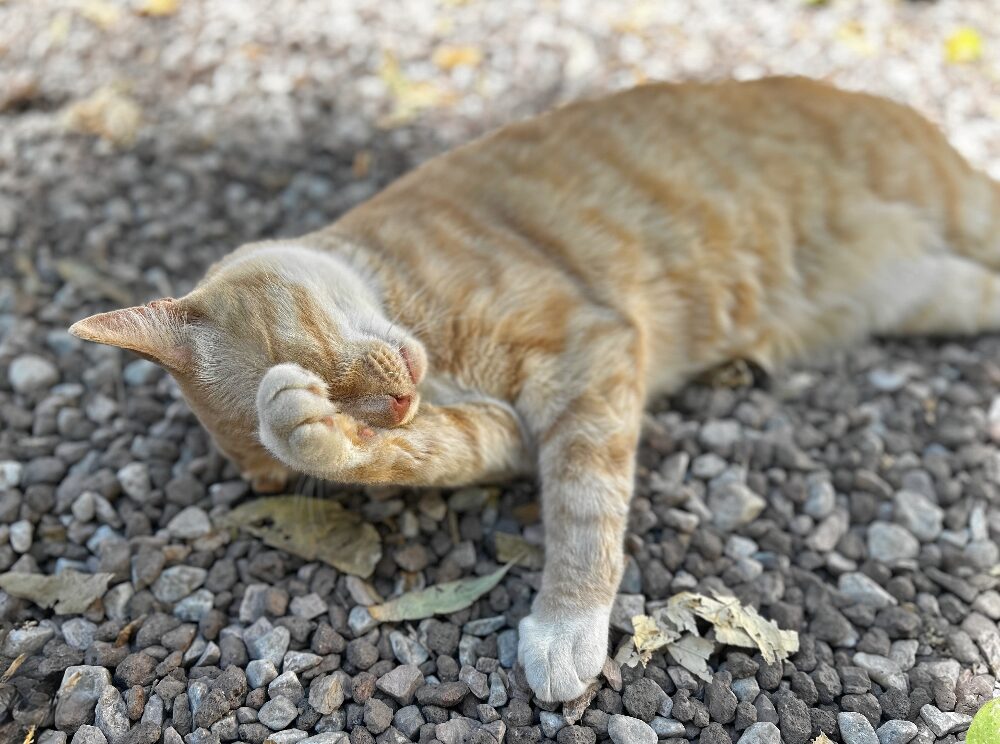
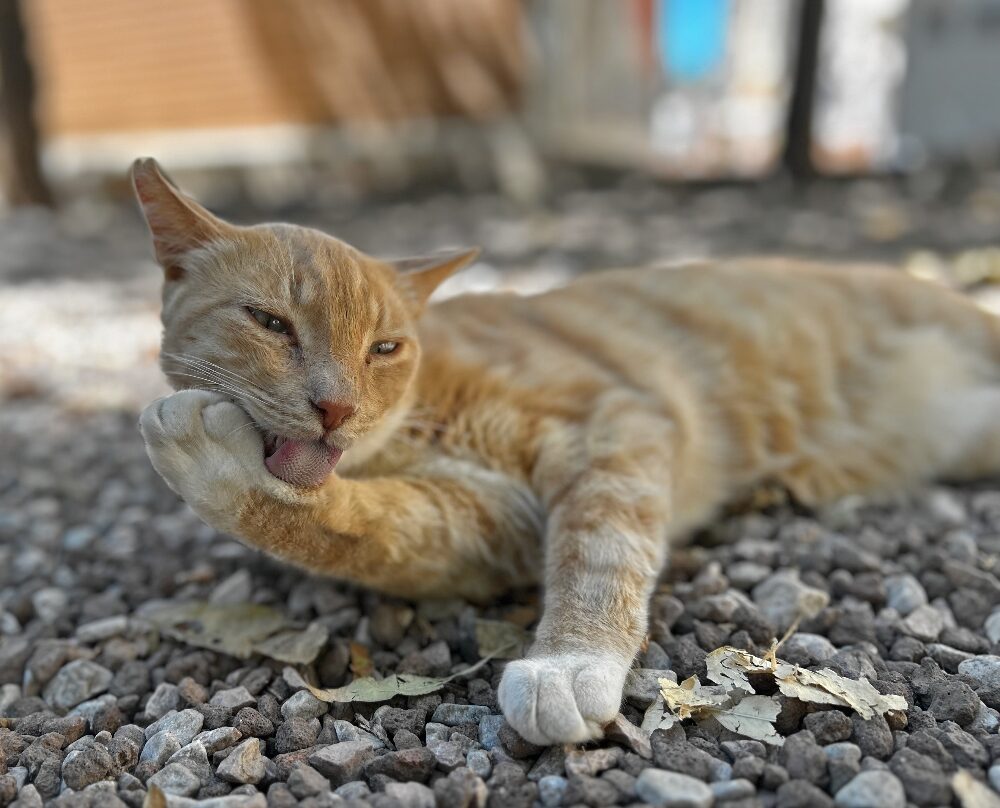
The community cats of Málaga’s Roman Theater are well cared for. During my visits to Málaga, I’ve never seen a cat near the ruins that wasn’t neutered or appeared unwell. All the cats have been spayed or neutered, and dedicated volunteers feed them daily.
Over time, the cats have grown to trust these volunteers, forming close bonds. It’s a dynamic similar to what you might see in Turkey, where cats are free to roam yet lovingly cared for and with “favorite” humans with whom they can connect.
The CES Method: a humane approach
At the heart of Málaga’s efforts to care for stray cats is the CES program (Captura, Esterilización, y Suelta), internationally known as TNR (Trap, Neuter, and Return). This method is both humane and effective, addressing the overpopulation of street cats by sterilizing them and returning them to their habitats. By controlling reproduction, the program reduces the number of stray cats over time, lowers the risk of disease, and improves the cats’ overall quality of life.
This means the Roman Theater cats can continue to inhabit their beloved ruins without contributing to overpopulation challenges. The program also mitigates behaviors like fighting and mating calls, making coexistence between the cats and visitors more peaceful.
Coordinated efforts across the city
The care of Málaga’s stray cats, including those at the Roman Theater, relies on a network of dedicated organizations, volunteers, and professionals. Animal welfare groups like Aman and local veterinarians collaborate to ensure that colonies are registered, monitored, and well-maintained.
Each colony has a manager who oversees feeding, medical care, and sterilization. These individuals have official identification cards and are trained to provide consistent care while adhering to regulations that prioritize cleanliness and minimize disruption to the surrounding environment.
The Málaga Veterinary College is vital in supporting this initiative, offering resources such as microchips, rabies vaccines, and deworming treatments to municipalities. These measures not only improve the health of the cats but also ensure better public safety.
Challenges and community responses
Despite the progress made, the feline colonies of Málaga face ongoing challenges. Cat abandonment remains a significant issue, with people often leaving unwanted pets near existing colonies. This sudden influx strains resources and disrupts the careful balance established by colony managers.
Vandalism of shelters and the mishandling of food supplies are also problems, underscoring the need for greater public awareness and cooperation. To address these issues, organizations and the city council work to educate citizens about the importance of supporting the CES program and respecting designated caregivers’ roles.
A law to protect Málaga’s cats
Málaga’s commitment to its stray cat population is further strengthened by Spain’s Animal Rights and Welfare Protection Law 7/2023, which mandates the protection, care, and sterilization of street animals. This legal framework requires municipalities to implement measures like the CES program and employ professional veterinarians to oversee the health and safety of feline colonies.
How to help
Caring for the cats of Málaga’s Roman Theater is a community effort. There are ways to contribute to their well-being. Donating to local animal rescue organizations, volunteering time, or supporting sterilization initiatives can make a significant impact. Those interested in hands-on involvement can foster kittens or advocate for the CES program in areas where it’s not yet implemented.
Cat welfare organizations and animal protectors operating in Málaga
Below are several groups actively involved in animal welfare, providing resources for adoption, fostering, and volunteer opportunities. If you want to support or adopt, these are great starting points!
Sociedad Protectora de Animales y Plantas de Málaga
- A well-known organization near Málaga’s municipal zoosanitarium. They care for a large number of animals, including cats, and are one of the city’s main shelters offering adoptions and volunteer opportunities.
- Website: Protectora Málaga
Aristochat Asociación Felina
- A cat-focused shelter in Mijas that successfully found homes for over 280 cats in 2023.
- Website: Not listed, but local resources such as Kerubi might provide connections.
Arca del Torcal
- An organization in Antequera that helps both cats and dogs. They offer adoptions, fostering, and volunteer opportunities.
- Website: Not listed; their information might be found through local networks or municipal contacts.
Málaga Felina
- An organization working to manage and protect feral cat colonies in Málaga and nearby areas. Their initiatives include sterilization, microchipping, veterinary care, and rehoming efforts for stray and abandoned cats. They also collaborate with local municipalities, such as Torremolinos, to ensure humane and effective cat population control measures.
- Website: Málaga Felina
Kerubi Platform
- Although not a specific organization, Kerubi connects adopters with shelters and has listings for cats available for adoption in Málaga.
- Website: Kerubi
Málaga Roman Theater practical information
Address
Málaga Roman Theater, C/ Alcazabilla, s/n, Distrito Centro, 29015 Málaga, Spain.
Opening hours
- Tuesday to Saturday, 10:00 am – 06:00 pm.
- Sunday, 10:00 am – 04:00 pm.
- Closed on Mondays.
Price
The Málaga Roman Theater (Teatro Romano) entrance is is free. This includes access to the site and the adjacent visitor center, which offers exhibits and audiovisuals on the theater’s history and restoration process.
However, it’s worth noting that disabled access is not available at this historic site.
Alcazaba and Roman Theater – tickets and tours
Entrance to the Málaga Roman Theater is free, but visiting the adjacent Alcazaba requires a ticket. I highly recommend booking a guided tour if you plan to explore both. You will gain fascinating insights into Málaga’s rich history, experience the Alcazaba’s stunning architecture—and meet its many charming feline residents.
Best time to visit the Málaga Roman Theater
The cats of Málaga’s Roman Theater are a delightful sight year-round. However, winter is the perfect time to experience the city and its ruins. The summer and spring months can be too hot and crowded, making the experience less enjoyable.
However, during the winter, Málaga shines with its exceptional Christmas decorations and festive atmosphere—arguably the best in Europe, surpassing even the famous displays in cities like Cologne or Brussels. Plus, the weather in November and December is still pleasantly mild, making it a great time to explore the ancient ruins and the city’s addictive Christmas spirit.
Meeting the cats of the Málaga Roman Theater
Have you ever visited Málaga’s Roman Theater and met its charming feline residents? We’d love to hear about your experience! Share your photos with us on Facebook or X and show us how the cats have made your trip to Málaga even more special.
Discover Spain’s best cat-friendly destinations
From historic ruins to scenic coastal towns, Spain is home to some of the most charming cat-friendly spots. Curious about where to find the most cats lounging in ancient streets or prowling through picturesque villages? Read on to uncover Spain’s hidden gems that every cat lover must visit!
- Granada – 88.64 km (55.08 miles) from Málaga
- Churriana de la Vega – 89.19 km (55.42 miles)
- Capileira – 100.04 km (62.16 miles)
- Madrid – 414.89 km (257.80 miles)
- Calpe – 447.06 km (277.79 miles)
- Ibiza – 568.42 km (353.20 miles)
- Mallorca – 729.60 km (453.35 miles)
- Sitges – 735.73 km (457.16 miles)
- Barcelona – 770.60 km (478.83 miles)
- Cadaqués – 894.80 km (556.00 miles)
- La Gomera – 1530.98 km (951.31 miles)
The purr-fect book for your trip to Málaga
Do you need a good book to read while you explore Málaga’s rich history and feline-filled landmarks? Pick up Avalon by Vanessa Morgan, a heartfelt memoir that beautifully weaves the story of a woman and her unforgettable cat. Equal parts moving and inspiring, Avalon is the kind of book that cat lovers will cherish, and it’s an ideal read to unwind with after a day of sightseeing.
Whether you’re lounging at the beach, sipping coffee at the port, or sitting among the ruins of the Roman Theater, this touching tale will resonate deeply with anyone who understands the unique bond between humans and their feline companions. Don’t leave for Málaga without it! Available in English and French.

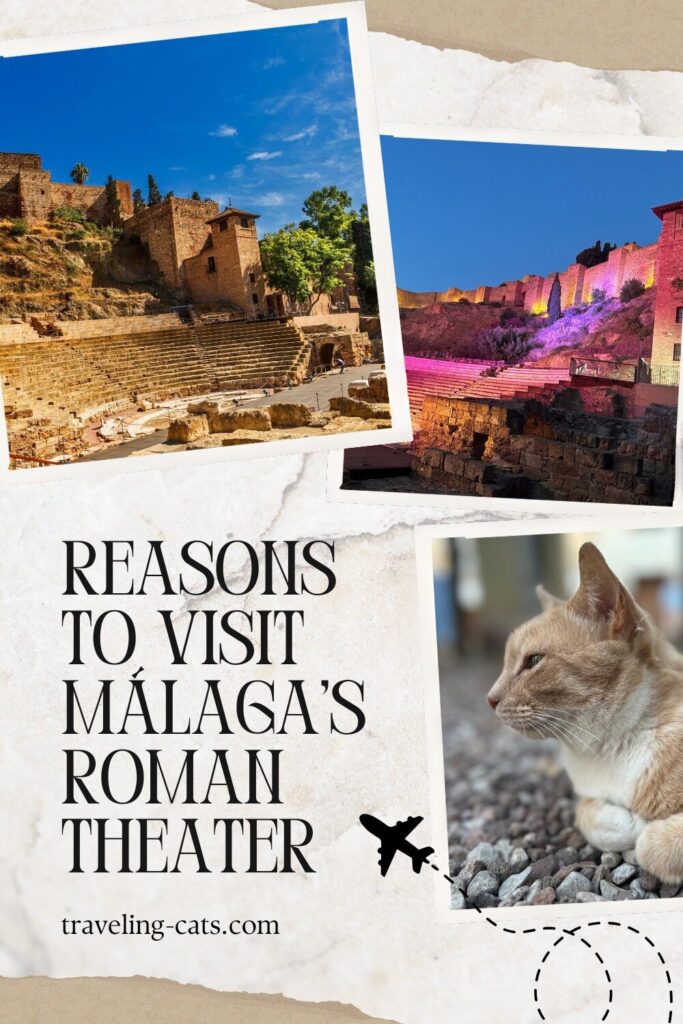
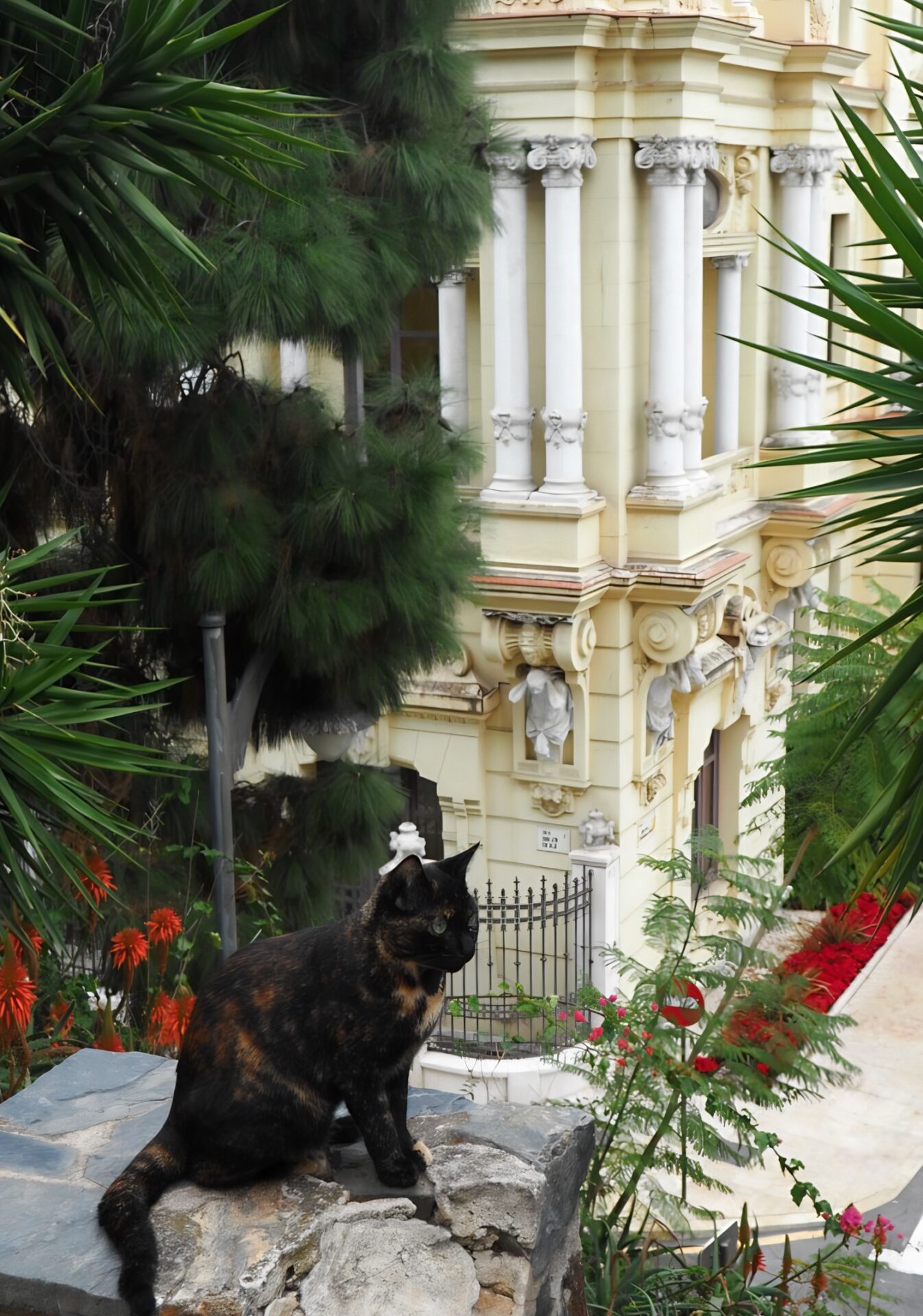
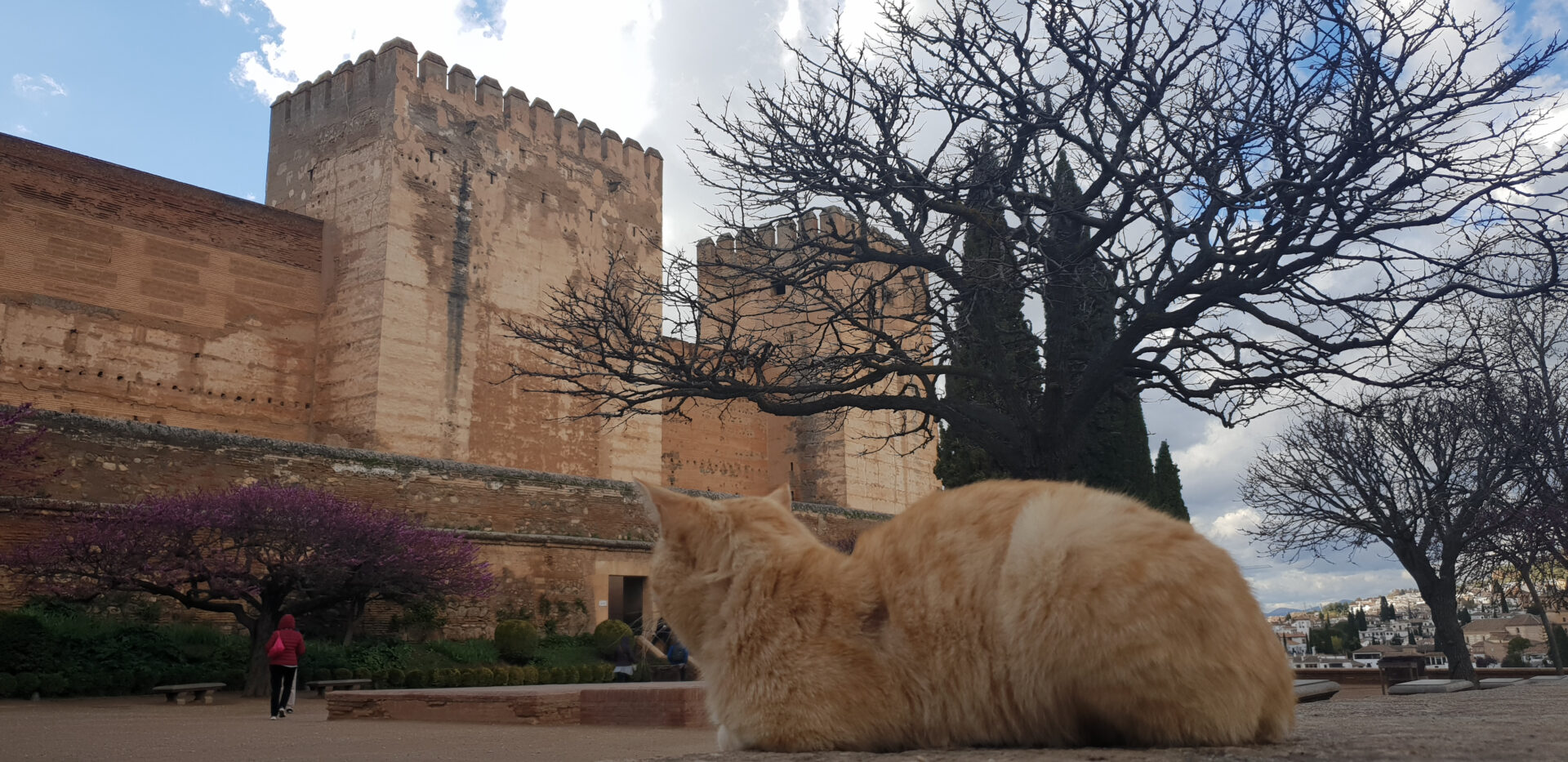
Pin these cats of the Málaga Roman Theater!




One Response
Beautiful piece of history and I love all the cats. They always know where to live.
Thank you for joining the Awww Mondays Blog Hop.
Have a fabulous Awww Monday and week. ♥