

Last Updated on 29 November 2024 by Vanessa
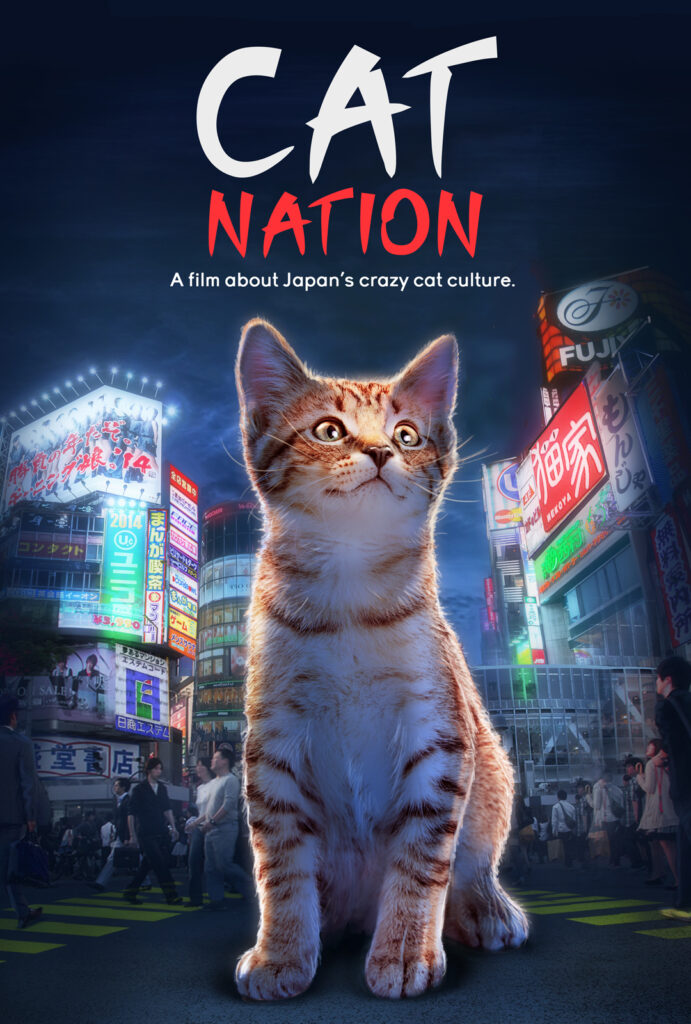
Cat Nation (2017) by Tim Delmastro is a 52-minutes long documentary film about Japan’s crazy cat culture. From cat cafes and pubs to cat islands, cat-themed libraries and shops, cat parks, and cat offices, the film immerses you in the multifaceted world of feline adoration and showcases how cats have woven themselves into the fabric of everyday life in Japan.
Curious if this documentary is worth watching? Then keep reading.
Cat Nation: A Film About Japan’s Crazy Cat Culture
How it all started
In 2016, director Tim Delmastro and his crew were shooting a project in Japan when they noticed they were surrounded by feline antics at every turn. They began filming whenever they had downtime, initially unsure of their plans for the footage.
Eventually, Delmastro extended their stay to explore the country’s top cat spots and to uncover its cat-obsessed culture. He enlisted local host Chris Broad from the popular Abroad in Japan YouTube channel, where he documents the many cultural curiosities he has encountered while living in Japan.
Upon returning home, Delmastro launched a Kickstarter campaign to secure funds for editing and post-production. Originally intended as a 20 to 25-minute documentary, the project expanded to a 52-minute film thanks to exceeding their Kickstarter goal.
Cat Nation is now available for viewing on platforms like Amazon Prime and Apple TV.
The themes
Cat Nation starts in Ginza, the biggest shopping district in Tokyo, where a throng of people has gathered around a pram filled with cats. You could easily mistake it for a heap of blankets in a pram, but if you look closer, you see the paws sticking out.
Broad explains that cats pervade daily life in Japan and emphasizes the nation’s profound obsession with these creatures. This fixation extends beyond mere companionship, permeating various facets of Japanese culture.
Below are the themes and places that are covered in the documentary and that showcase Japan’s status as a “Cat Nation.”
Cat cafes
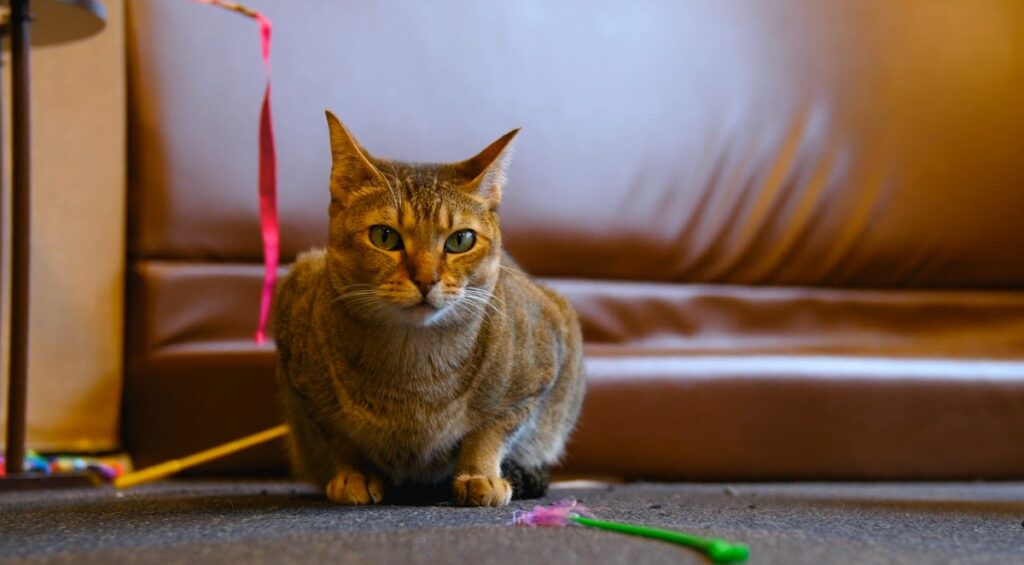
Broad’s first stop is one of Tokyo’s largest cat cafes: Cat Cafe Calico in Shinjuku.
Cat cafes are unique establishments where you can enjoy beverages and light snacks while interacting with resident cats. They originated in Taiwan in the late 1990s as a solution for urban dwellers who couldn’t keep pets due to space constraints or rental regulations. They quickly gained popularity in Japan, but now cat cafes are popping up in other countries, too.
Read more: The best cat cafes of Japan
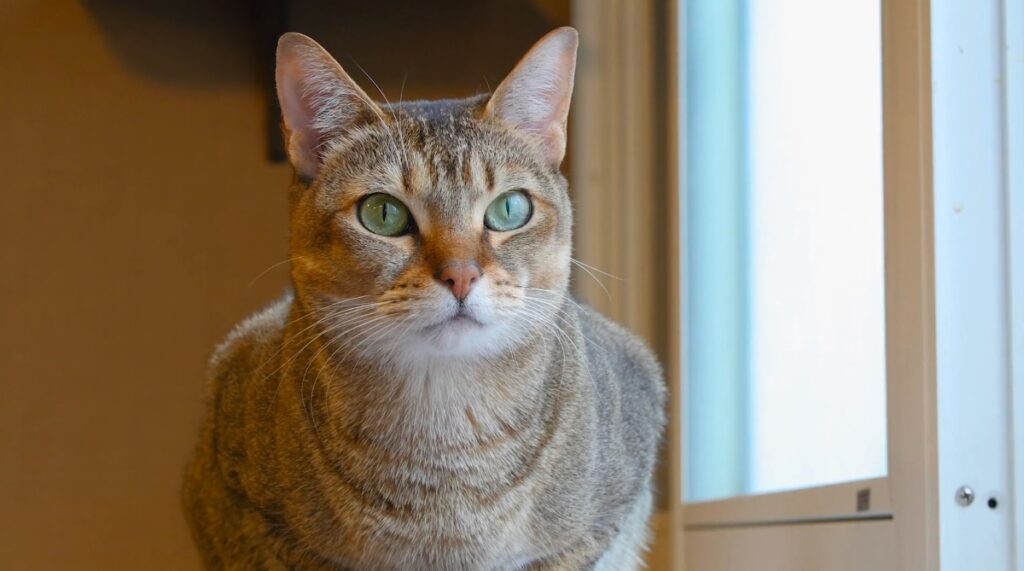
Cat islands Tashirojima and Enoshima
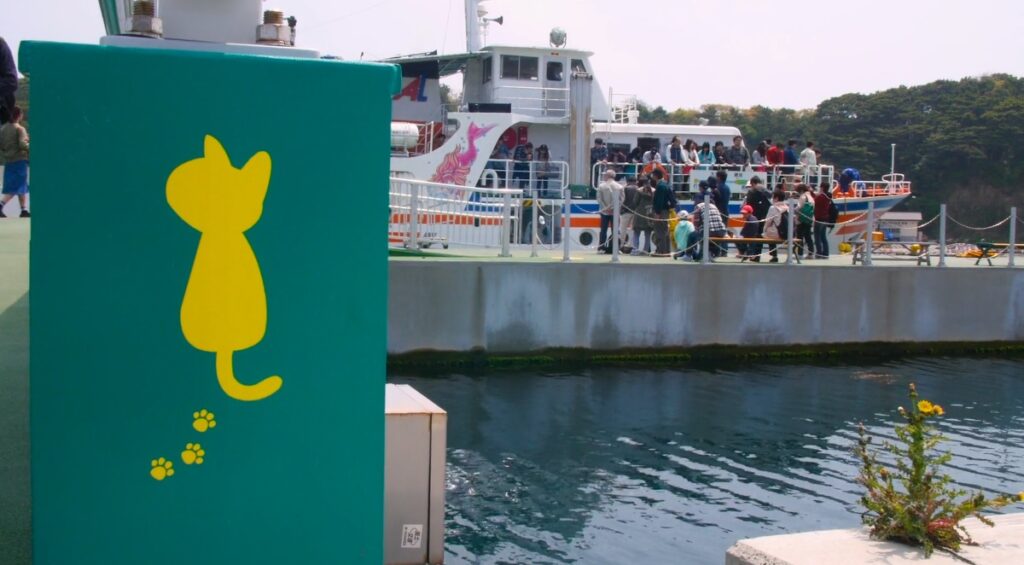
Japanese “cat islands” have become famous for their large populations of stray and feral cats. These islands often have more cats than human inhabitants and have gained attention from tourists and cat enthusiasts worldwide, effectively becoming tourist attractions in their own right.
There are several cat islands in Japan (you can find an overview of all the Japanese cat islands here), with Tashirojima being the pioneer of this trend and remaining the most frequented.
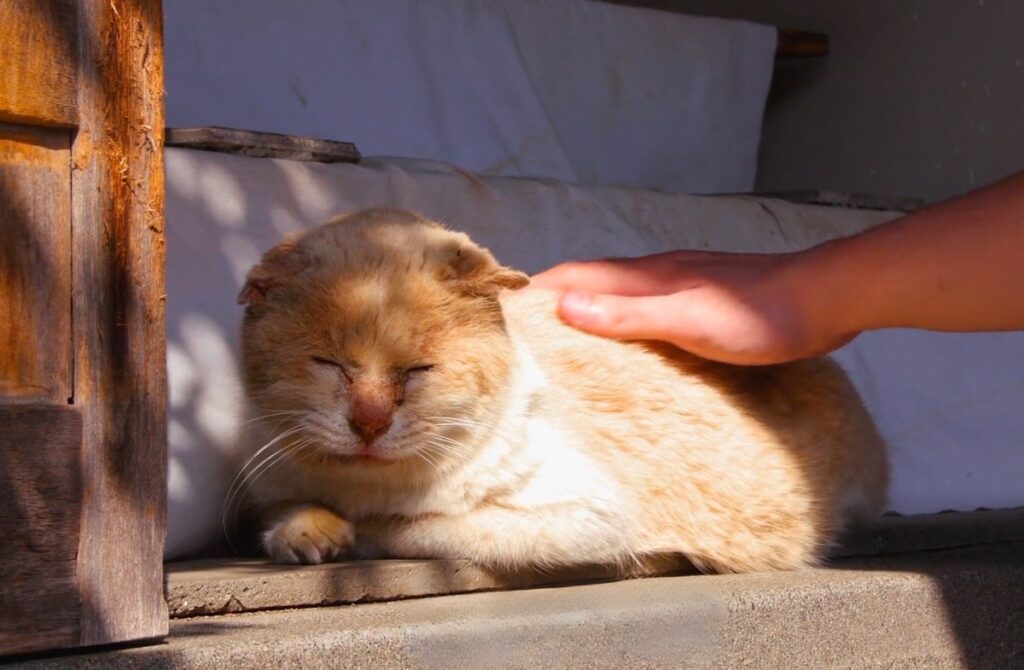
Cat Nation takes us first to Tashirojima and then to the more residential Enoshima. Both are very different from each other.
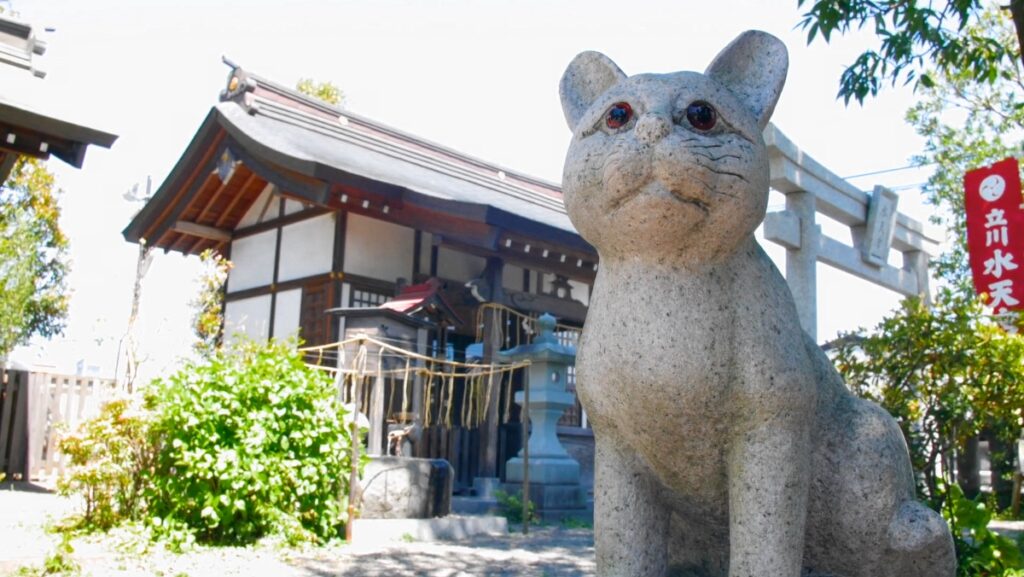
Beckoning cat temples
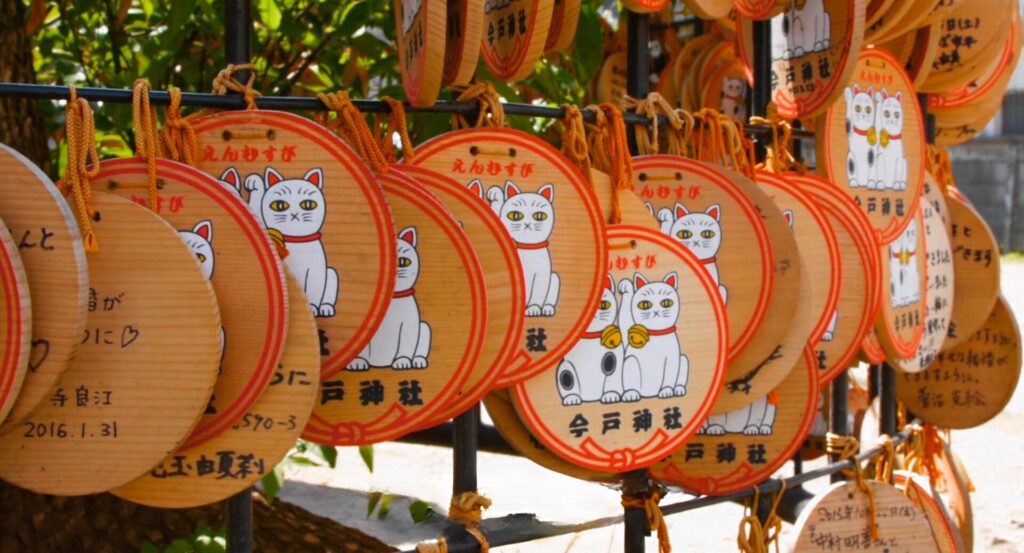
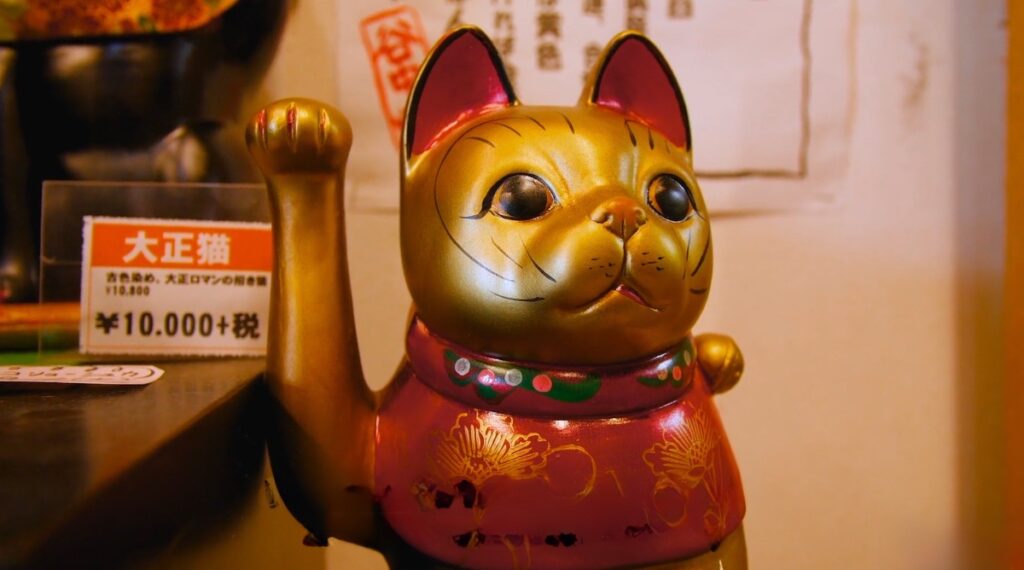
The beckoning cat, also known as the maneki-neko, is a popular symbol in Japan and typically depicted as a cat with one paw raised. The origins of the maneki-neko trace back to Japanese folklore, where it is believed that the cat’s beckoning motion wards off evil spirits and attracts good fortune.
Cat Nation takes us to the most famous beckoning cat temple in Japan: Gotokuji Temple, located in Setagaya, Tokyo. This temple has thousands of maneki-neko statues scattered throughout its grounds. It a popular destination for both locals and tourists seeking blessings from the beckoning cat.
We also get to see the Imado Shrine in the Asakusa area of Tokyo, which is particularly known for granting prayers related to love and marriage. Visitors often write their wishes for romantic relationships, marriage, and family harmony on small wooden plaques called ema, which they then hang up at the shrine in hopes of having their prayers answered.
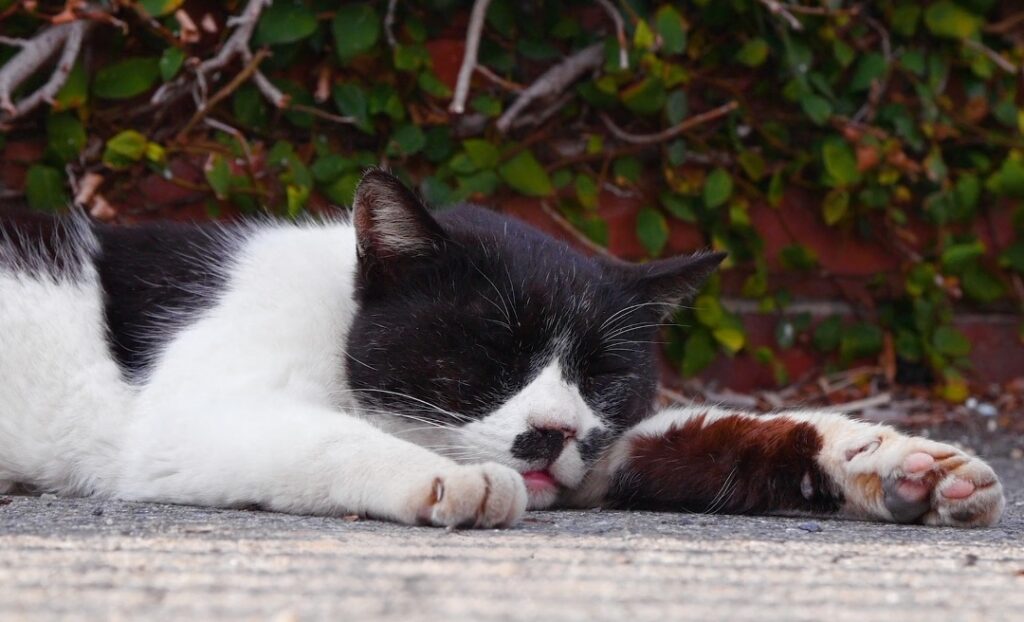
Hachi from the Itokyu tobacco shop in Mito
Hachi is a cat renowned for its distinctive black eyebrows atop its white fur, which look like the Chinese character for the number eight, regarded as lucky in Japan. By the way, the name “Hachi” translates to “number eight” in Japanese.
Hachi resides at a tobacco shop in Mito, a city located in Ibaraki Prefecture. The shop, which also sells lottery tickets, is rumored to have dispensed many winning tickets, all credited to Hachi’s lucky presence.
Surprisingly, Hachi doesn’t belong to the tobacco shop but to a neighbor, who asked the the owner of the shop, Kaori Hasegawa, to take care of Hachi during the day.
The unique-looking mascot quickly became a local star. Today, people from across Japan come to see Hachi with the lucky eyebrows.

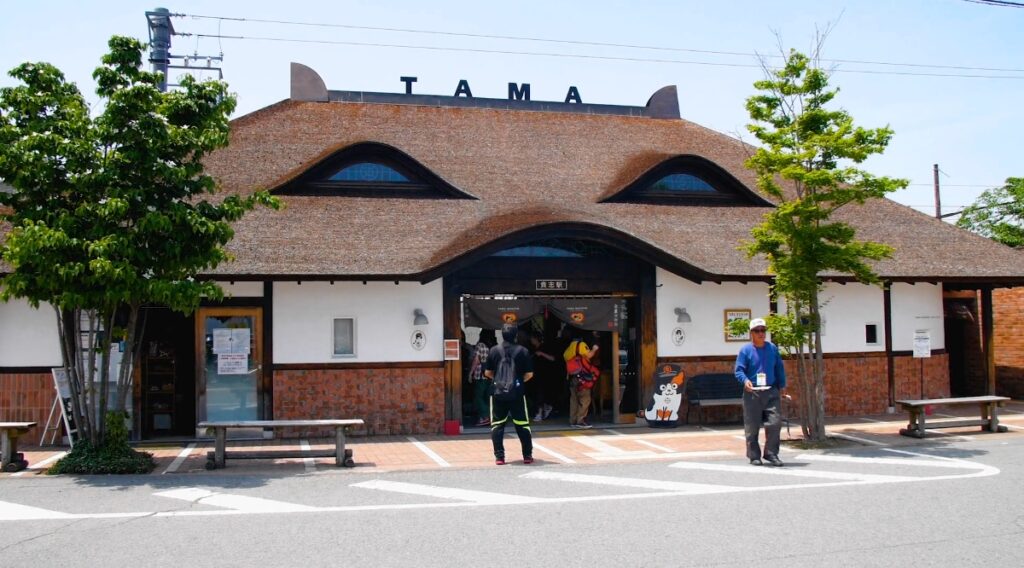
Kishi Station
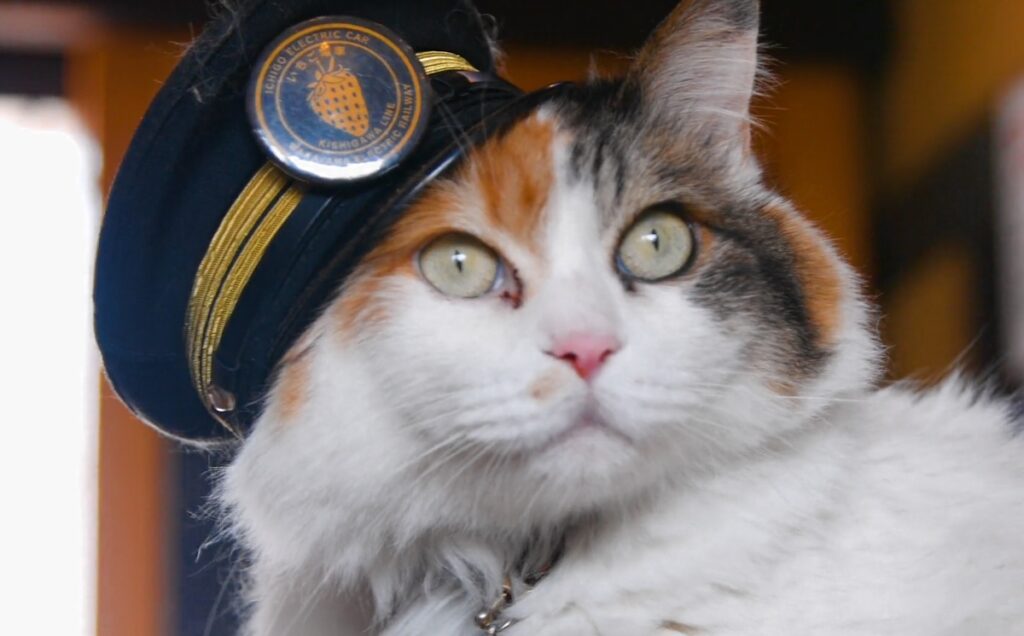
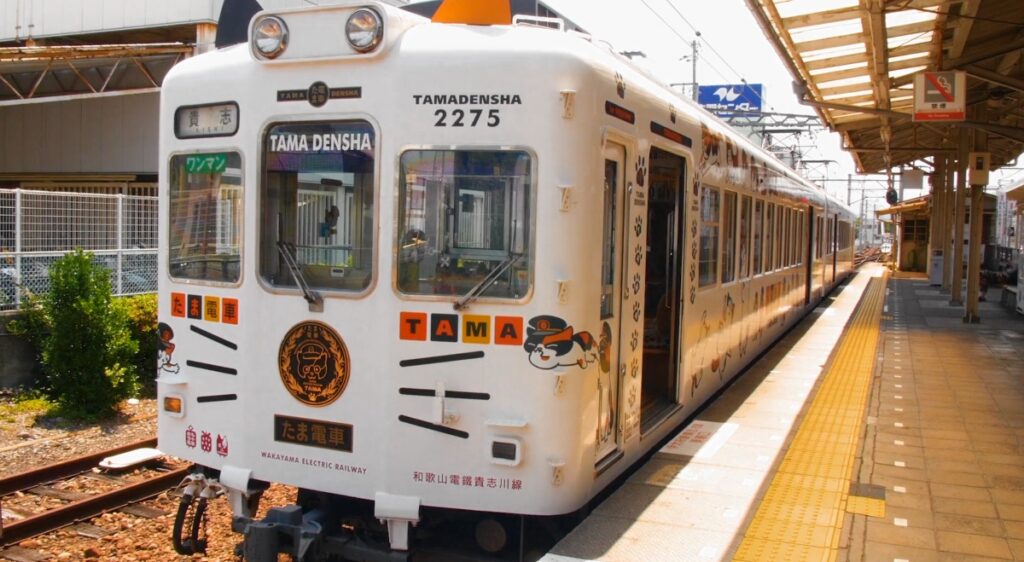
Tama and Nitama rose to fame as the beloved feline mascots of Kishi Station in Kinokawa.
Tama, the original stationmaster cat, gained international attention for her role in revitalizing the struggling station when she was appointed as “stationmaster” in 2007. Dressed in a miniature stationmaster’s hat, Tama’s presence attracted tourists and increased ridership, significantly benefiting the local economy.
After Tama’s passing in 2015, Nitama continued her legacy as the stationmaster cat.
Kishi Station now draws tourists from every corner of the world.
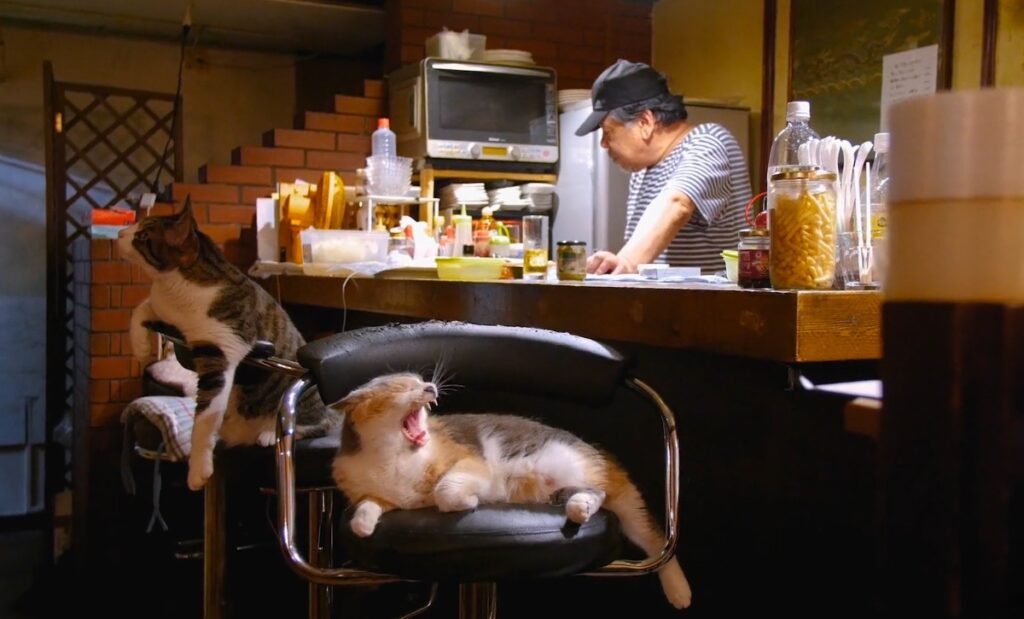
The cat pub or cat izakaya
An izakaya is a type of informal Japanese pub or tavern where people go to enjoy drinks and casual dining. It’s a popular concept in Japan, often likened to a pub or bar.
Of course, the Japanese also have cat izakaya. They are like regular izakayas, except that you can also play with resident cats while drinking beer. It’s a businessman’s answer to a cat cafe. They even have some cat-themed food.
Hibiya Park
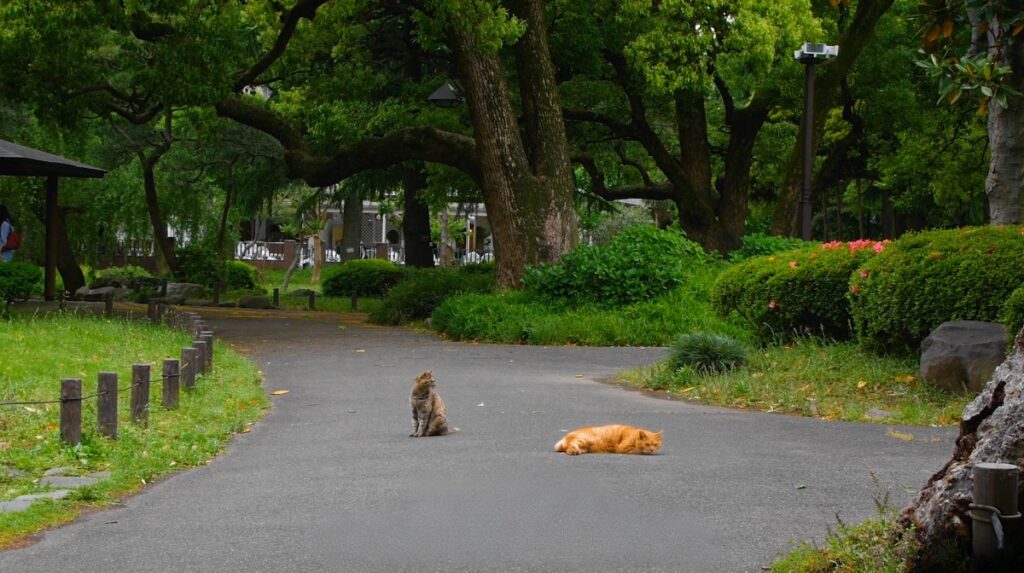
Hibiya Park is located right next to the Imperial Palace in Tokyo. It offers a serene escape from the bustling city, featuring lush greenery, walking paths, ponds, and flower gardens.
It’s unofficially a “cat park” due to the sheer number of stray cats that call it home. Cat lovers often frequent Hibiya Park to catch glimpses of these furry inhabitants and enjoy their company while exploring the park’s scenic surroundings.
Yanaka Cemetery
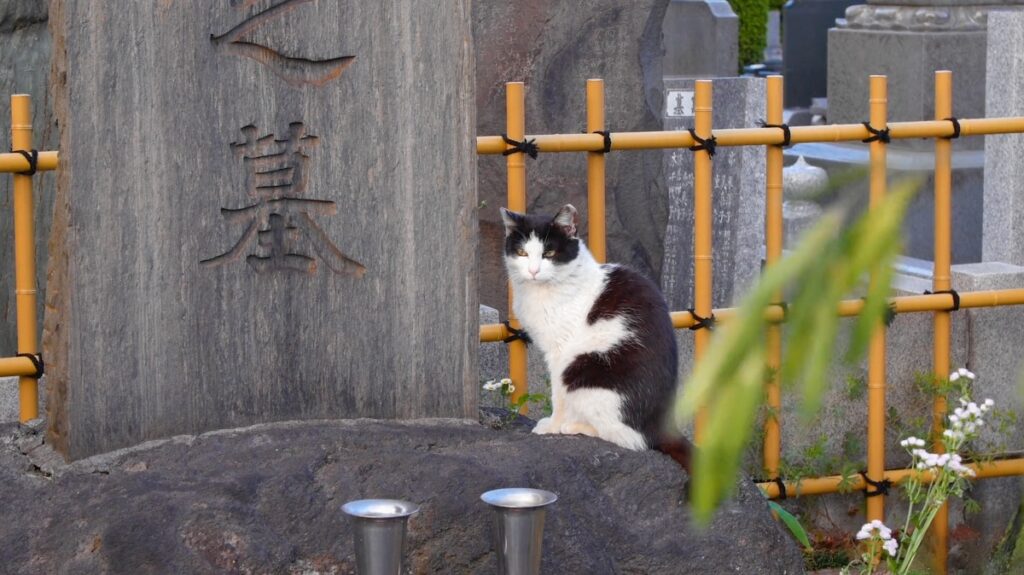
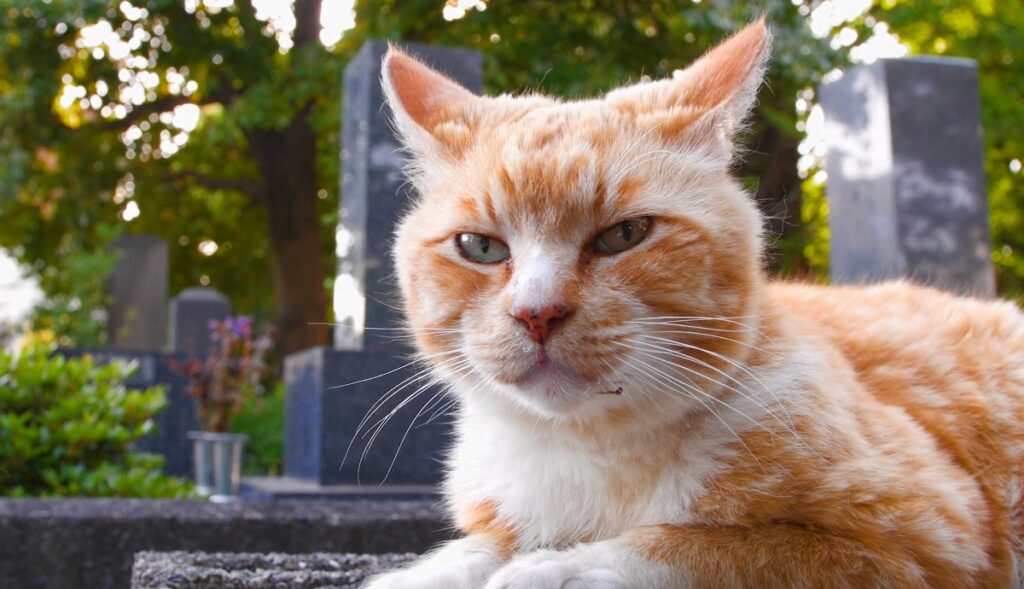
Over the years, Yanaka Cemetery in Tokyo has become a sanctuary for a large number of stray and feral cats, who roam freely among the graves and tombstones.
Cat lovers from all over the world often visit Yanaka Cemetery just to see the resident felines, feed them, and enjoy their company.
Read more: Visiting Yanaka Cemetery in Tokyo’s “Cat Town”
Yanaka Ginza
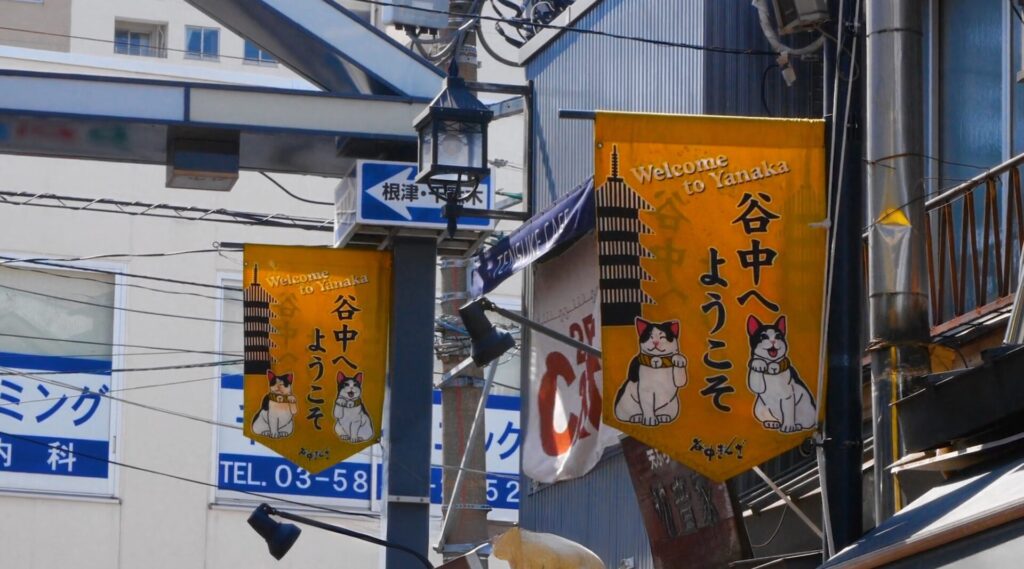
Right next to Yanaka Cemetery is the shopping district Yanaka Ginza. Here, the locals are very cat-friendly. They adopt strays as community mascots and build shelters and litter boxes around the streets. It has a lot of real cats running around the neighborhood, too.
The neighborhood is filled with anything that is cat-related: cat merchandise, cat statues, cat-shaped food. You can hardly walk down the street without bumping into something with a cat stuck on it.
Read more: Little known districts in Tokyo every cat lover should visit
Nyankodō cat-themed bookstore
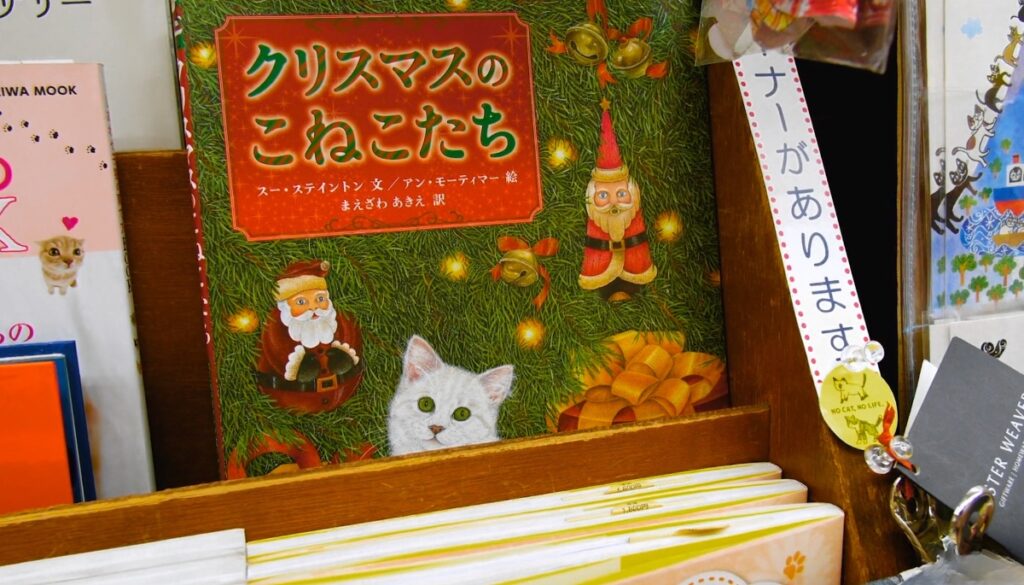
One of my personal favorites is the bookstore that sells only cat-themed books. Nyankodō the bookstore is called, and it is located in the Jimbocho district of Tokyo.
Here, you will find cat coloring books, philosophy as interpreted by cats, photo albums about cats in Greece, cat manga, photo books about cats in all sorts fo funny positions and places, and much more.
Cat offices
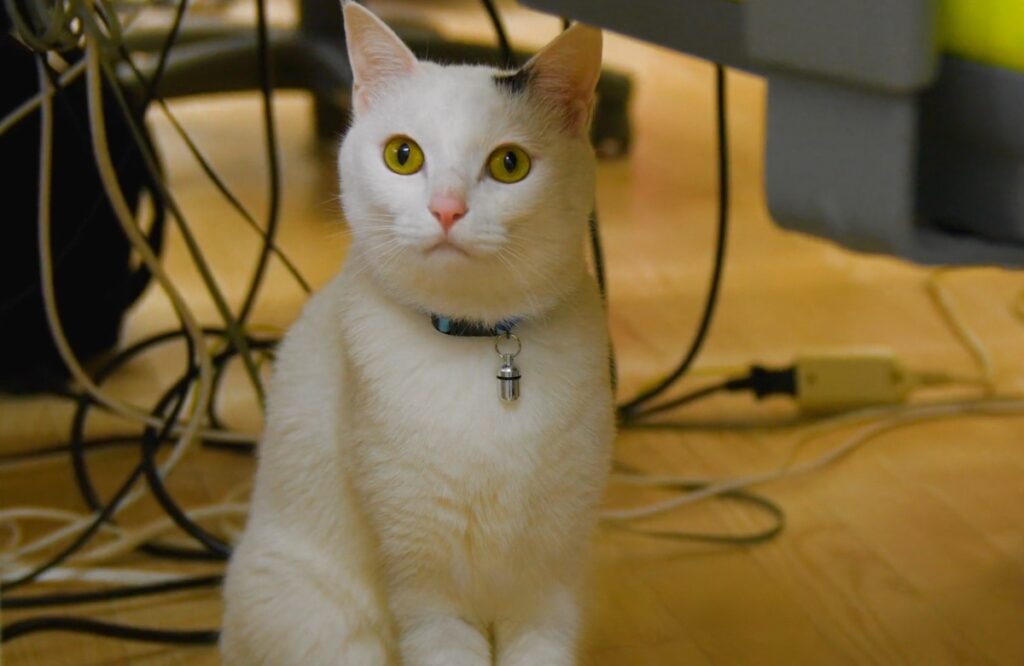
In Japan, some offices come with resident cats.
Oftentimes, you don’t just have official office cats running around, but the staff can bring their own pets as well.
The animals make for a great conversation starter. They also help to create a casual, stress-free environment for the staff, at least when the frisky felines are not nibbling on cables, cutting off a customer’s phone call, or stomping on keyboards.
Necodan cat-themed gift store
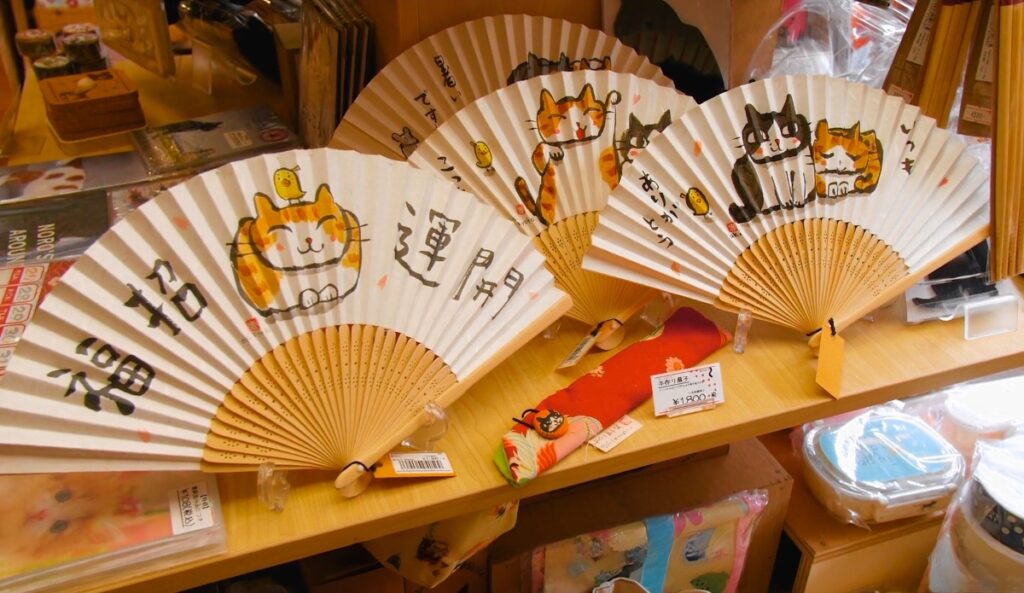
Necodan in Adachi-ku is a gift store that takes Japan’s love for cat-related products to all new heights.
This specialty store sells nothing but cat-themed products. At Necodan, you can find nearly every household item to satisfy your cat obsession, including cat crockery, cat mugs, cat spoons, cat dolls, cat glasses, cat plates, cat stationary, cat posters, cat fans, cat calendars, cat chopsticks, cat pocket watches, cat umbrellas, cat bags, cat socks, cat wine, cat everything.
The Hello Kitty-themed rooms of the Keio Plaza Hotel in Tokyo
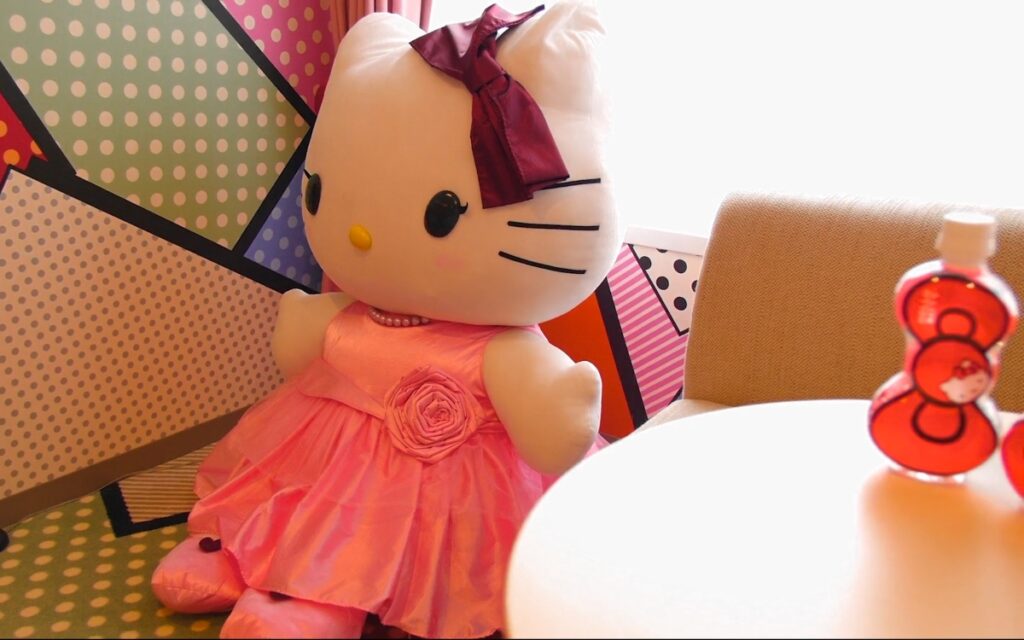
The upmarket Keio Plaza Hotel in Tokyo offers a variety of Hello Kitty-themed rooms, including the Hello Kitty Princess Room and the Hello Kitty Town Room, which are decorated with Hello Kitty motifs and furnishings.
The Hello Kitty Town Room is the most vibrant of the two. Hello Kitty artwork adorns both the floor and walls of this room. From themed trash cans, scales, toiletries, to water bottles, Hello Kitty’s presence permeates every corner. Even breakfast is Hello Kitty-themed,
Namaneko
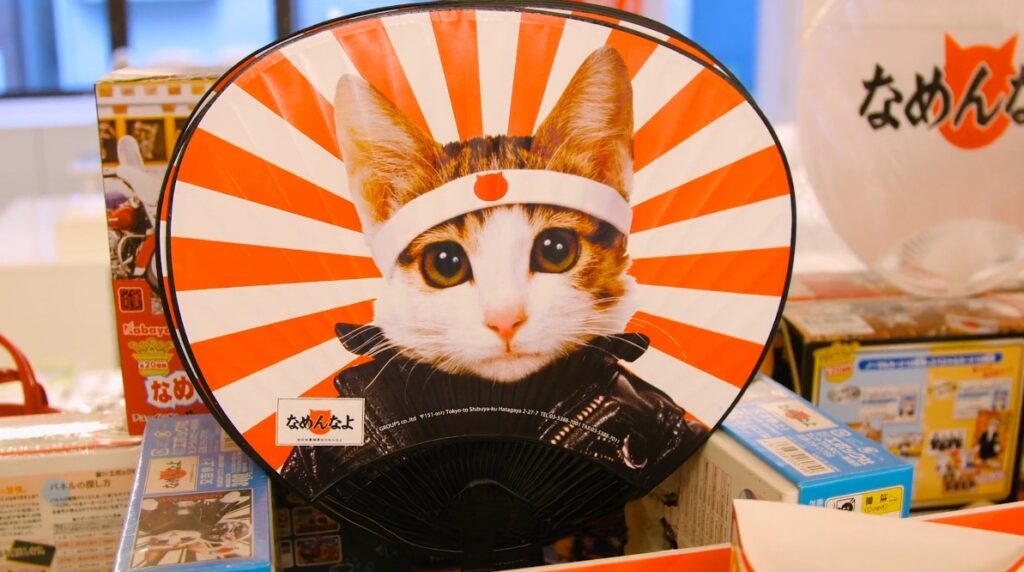
Cat Nation ends with a focus on Namaneko, photographer Satoru Tsuda’s brand featuring kittens in dolls’ clothes. Mostly unknown outside of Japan, Namaneko was a national sensation in the 1980s, and it was this trend that singlehandedly turned Japan into a “Cat Nation.”
So, should you be watching Cat Nation?
At just 52 minutes long, the documentary manages to cover a wide array of topics, making time fly by effortlessly. Broad leads viewers through Japan’s cat-centric culture in an engaging manner, although his discomfort with the feline obsession is evident. Delmastro, on the other hand, is a cat lover at heart.
Ideally, Cat Nation would have been extended into a series, with each episode covering a different location and topic. However, its spontaneous creation meant that the lack of time and budget prevented it from being much longer. As it is, it remains a fun and quirky introduction to the subject.
My only issue is that Broad and Delmastro never mention the names of the places they visit, which can be frustrating, particularly if you intend to visit any of them. However, as you may have noticed, I’ve included the names of these locations in this article, allowing you to use this page as a reference for further information.
Overall, this documentary is highly entertaining and will appeal to most cat lovers, regardless of their interest in Japanese culture. If you found the topics intriguing and crave more, then Cat Nation is definitely worth watching. While it may not delve deeply into the various subjects, the visuals of the cats and places alone make it a worthwhile experience.
Check out these other cat-themed documentaries
Cats of Malta: Cats of Malta delves into the island’s various cat colonies, cat cafes, parks, and streets, introducing audiences to local volunteer feeders, business owners, and artists whose lives are intertwined with stray cats.
Kedi: Kedi takes viewers on a journey through the streets, alleys, and markets of Istanbul, where cats roam freely and are an integral part of daily life.
Cat Heaven Island: Cat Heaven Island focuses on the island of Tashirojima, where cats outnumber human residents by a significant margin. With just a few elderly inhabitants left, the island is steeped in fading but beautiful Japanese culture.
Save this Cat Nation poster to Pinterest!



2 responses
oh my goodness, that cat with the eyebrows, Hachi, I’ve never seen a cat like him. It sounds like an interesting watch, but I would be frustrated not being told the areas.
The cats so look well cared for and I love the cat cafes, although I’ve never been to one, I would love to one day. Thanks for joining in with #pocolo