

Last Updated on 4 July 2026 by Vanessa
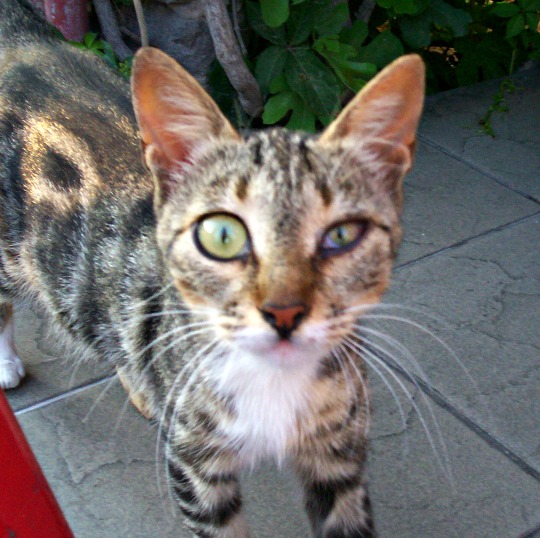
Have you fallen in love with one of the many stray cats in Greece? You’re certainly not the first.
The good news is that giving a homeless cat a forever home is absolutely possible, even if you live abroad.
In this guide, you’ll learn how to adopt a stray cat in Greece, from the legal requirements and veterinary checks to travel arrangements and the paperwork you’ll need.
Whether you met your future feline companion in a bustling city, a quiet village, or on a sun-soaked island, you’ll find everything you need to make the adoption process as straightforward as possible.
How to adopt a stray cat in Greece (a step-by-step guide)
Can you adopt a cat from Greece?
Yes, you can. The easiest way is to adopt through a shelter, animal rescue, or local organization. You can also adopt a friendly stray you’ve bonded with during your trip.
Thousands of stray cats live across the country, and many struggle to find food. Few receive the veterinary care they need when they are injured or ill. Sadly, that means that many don’t survive beyond their first few years. By adopting one, you’re giving a cat the chance of a safer, healthier life.
The good news? The adoption process is relatively straightforward. But you have to follow the required steps.
To help you navigate the process, I spoke with Polyxeni Avgerinou, a local rescuer who has spent years helping stray cats on Lesbos Island find loving homes around the world. Her insights will help you understand what to expect, whether you’re adopting from an island or anywhere else in Greece.

How to bring a cat home with you
Step #1: book your cat’s travel
The first step is securing a place for the cat on your flight. Contact your airline as soon as you decide to travel with a kitten or adult cat, since cabins and cargo holds have limited pet capacity.
This matters especially for short stays. Many visitors only remain on the island for one or two weeks, so timing is critical.
If no space is available, you’ll need a temporary solution. Options include a foster arrangement with a volunteer or boarding at a veterinary clinic until another traveler can help transport the cat. Many shelters are willing to help with this. It’s worth reaching out to them if you plan to adopt.
Step #2: make a vet appointment
The next step is to book a vet appointment. The vet will handle the essential medical and administrative requirements for you, including vaccinations, microchipping, and the official paperwork needed for travel.
Vaccinations
Rabies vaccination is mandatory. Without it, the cat cannot leave the country or enter most destinations.
Many owners also choose a combination vaccine covering:
- feline panleukopenia (enteritis)
- herpesvirus (rhinotracheitis)
- calicivirus
This is typically given in two doses, spaced about four weeks apart.
By the way, veterinary care is often more affordable in Greece than abroad, so it’s best to complete vaccinations before departure.
Microchip identification
Every cat must have a microchip linked to the animal’s identity and recorded in official systems.
Pet passport
A veterinarian issues an official pet passport once the required steps are complete. The microchip number is entered and validated in this document.
Some adopters also choose to test for infectious conditions like FIV (feline immunodeficiency virus) or FeLV (feline leukaemia virus) before making a final decision. These viruses are not transmissible to humans, and if there are no other cats in the household, it’s safe to bring the animal home with you. However, it’s crucial that you neuter the cat since the virus can be transmitted to other cats through sexual contact or bites during fights.
Many people do adopt cats with FIV or FeLV. These animals can still live long with proper care, but they are adopted less frequently, so a stable home can make a significant difference to their quality of life.
Step #3: check country-specific entry rules
Requirements differ depending on your destination.
For travellers heading to the UK, the official Gov.uk platform provides guidance through the IPAFFS system, which is used to register and submit import notifications to Defra. This process is handled online.
Some travelers choose an indirect route, bringing the cat first to another EU country—such as the Netherlands—before continuing onward by road. This is an informal workaround and should be carefully checked against current regulations before considering it.
When to seek assistance
Reach out to a local vet or animal shelter as soon as you’re unsure about any step in the process. They can confirm what you need, handle vaccinations and paperwork, and guide you through travel requirements without delays.
If you’re looking for contacts, search Google for “vets on Lesbos” or “animal shelters in Crete,” for example. You’ll quickly find clinics in nearby towns, along with phone numbers and opening hours.
Most visitors already know which town sits closest to their accommodation, so choosing a nearby clinic becomes straightforward.
How long does the adoption process take?
The veterinary part moves fast. A vet usually needs about 15 to 60 minutes to complete the microchip, vaccinations, and pet passport paperwork.
Flight booking takes the most time. Because airlines limit the number of animals per flight, availability can run out quickly.
If you cannot secure a seat for the cat before your departure, you’ll need a backup plan. That usually means finding a foster carer or a volunteer who can look after the kitten until transport becomes possible.
Local help exists in different areas, but capacity stays limited, and private rescuers often care for multiple animals at once.
“Personally, I’ve helped several travelers in Petra and nearby villages with this situation, but I don’t run a shelter. My focus stays on helping as many abandoned kittens as possible, and my home already hosts several at any given time,” Polyxeni explains.
“I also can’t accept kittens from all parts of the island. Lesbos is large, and I don’t have the capacity to take animals from every area. Because of that, please don’t share my name publicly. Visitors in Petra and surrounding villages usually find me without difficulty. If I have space, I do help.”
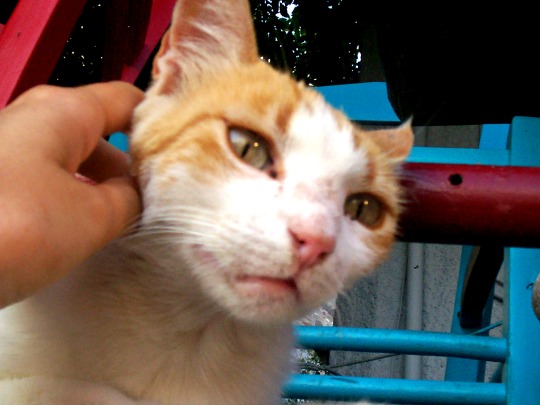
Hotel stays with a cat
Most hotels do not allow cats in the rooms. Some guests have allergies, and many properties need to disinfect rooms thoroughly between stays, which makes animal stays difficult to manage.
That said, policies vary widely. You can always ask the hotel directly.
Some places may agree to a kitten in the room, others may allow it under certain conditions, and some will refuse outright. It depends entirely on the property, so it’s best to confirm before bringing the cat back with you.
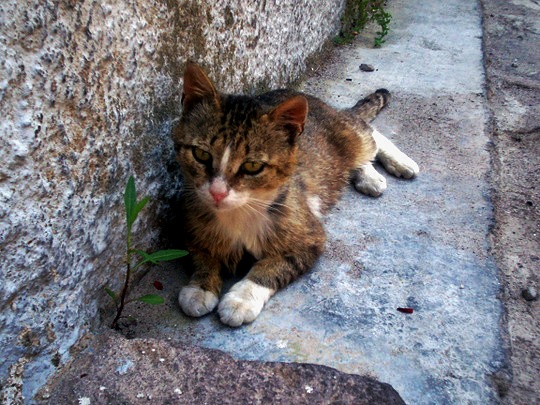
Estimated cost breakdown
The veterinary and paperwork costs usually range from €150 to €180. This typically includes the rabies vaccine, the first dose of the combination vaccine, microchipping, the pet passport, deworming treatment, and flea and tick protection. You may also want to buy a soft travel bag for cabin transport or a hard transport box for hold travel.
On top of that, you need to factor in the flight ticket for the cat. This generally costs between €50 and €80, depending on whether the animal travels in the cabin or the cargo hold and on the airline’s pricing rules.
Make sure the carrier meets airline standards. It must have ventilation on at least three sides, in addition to the door, which usually already includes openings.
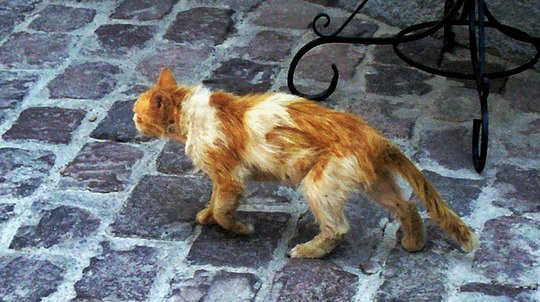
Are stray cats truly happier abroad?
Stray cats from Greece don’t “prefer” one outcome over another. What matters most is giving them a safe home, consistent care, and a stable environment in which they don’t have to fight and struggle to stay alive.
Before you adopt, make sure you’re ready for a long-term commitment. A cat may live 15 years or more, and it depends on you for food, healthcare, and day-to-day security. You also need a plan for vacations, illness, or any situation where you can’t care for it temporarily.
Adoption also means sticking with the decision when things get less convenient. A cat won’t stay “easy” or playful forever, and it still needs care throughout its life.
If these conditions are met, then you can proceed with the adoption and bring the cat with you to your country.
What to buy before your cat arrives home
Here’s a simple checklist you can order in advance so everything is ready when you get home with your new cat:
- Cat food (Almo Nature is a high-quality, tasty option, but any complete, age-appropriate food works)
- Food bowl (stainless steel or ceramic is easiest to clean)
- Water bowl (or a small water fountain if you want to encourage drinking)
- Litter box (a simple, open litter box is often easiest at the start)
- Cat litter (clumping litter is usually the most convenient)
- Litter scoop (a litter scoop makes daily cleaning much easier)
- Cat carrier (a cat carrier is useful for vet visits even after arrival)
- Scratching post or pad (a scratching post helps protect your furniture from day one)
- Cat bed or blanket (something soft and washable for comfort)
- Toys (simple ones like balls, feather wands, or mice toys are enough at first)
- Brush (a cat brush is especially useful if the cat has medium or long fur)
Final thoughts: Should you rescue a stray cat from Greece?
You’ll likely meet stray cats as soon as you arrive on the Greek islands, and it won’t take long before you’ll fall head over heels in love with one.
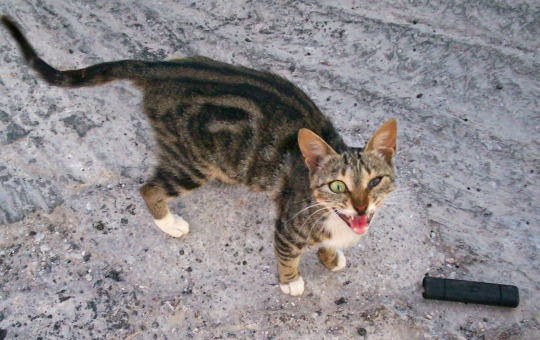
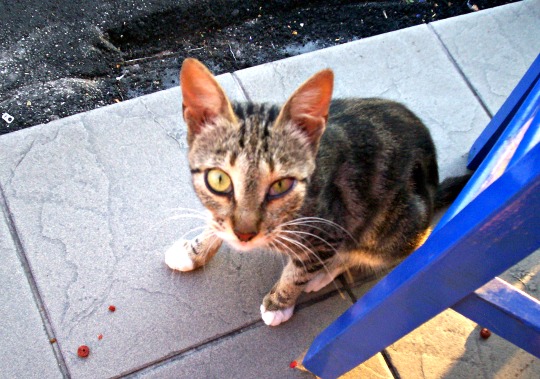
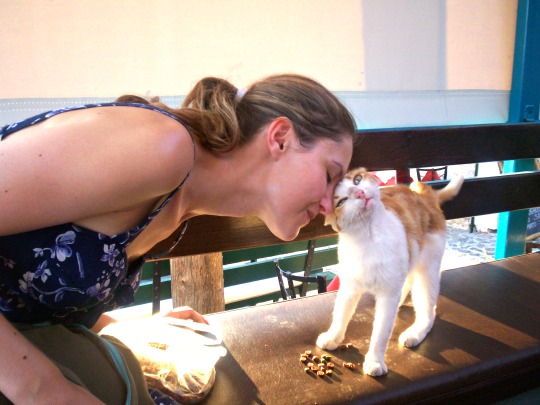
When I first visited Molyvos on Lesbos Island in the early 2000s, I felt that same pull toward a small tabby kitten (the one in the photo below). At the time, I didn’t have the information or enough time to take it back with me to Belgium. That experience is part of what pushed me to put this guide together.
If you’re still deciding whether to bring a stray cat into your life, the answer is usually yes—provided you’re ready for the responsibility. Many street cats live short, difficult lives, while the same animal could spend 15 years or more in a safe, stable home with you.
Yes, the process involves paperwork, planning, and a bit of coordination. But once you understand the steps, it’s fairly straightforward. The outcome changes everything—for both you and the cat.
And if you need help along the way, you’ll often find people in Greece ready to support the process when possible.
Please consider sharing this article with your friends and on social media. With better resources, more stray cats from Greece can find loving forever homes and live longer and better lives.

Pin this article on how to adopt a stray cat in Greece!


3 responses
Hello,
Love these cute kitties, I hope they all find loving forever homes. Adorable photos.
Thank you for linking up and sharing your post. Take care, have a great weekend.
Very informative post for those who wish to adopt Greek cats!
Very nice cat photos.
Thank you for linking up with #pocolo, sorry for the late response.