Last Updated on 8 July 2025 by Vanessa
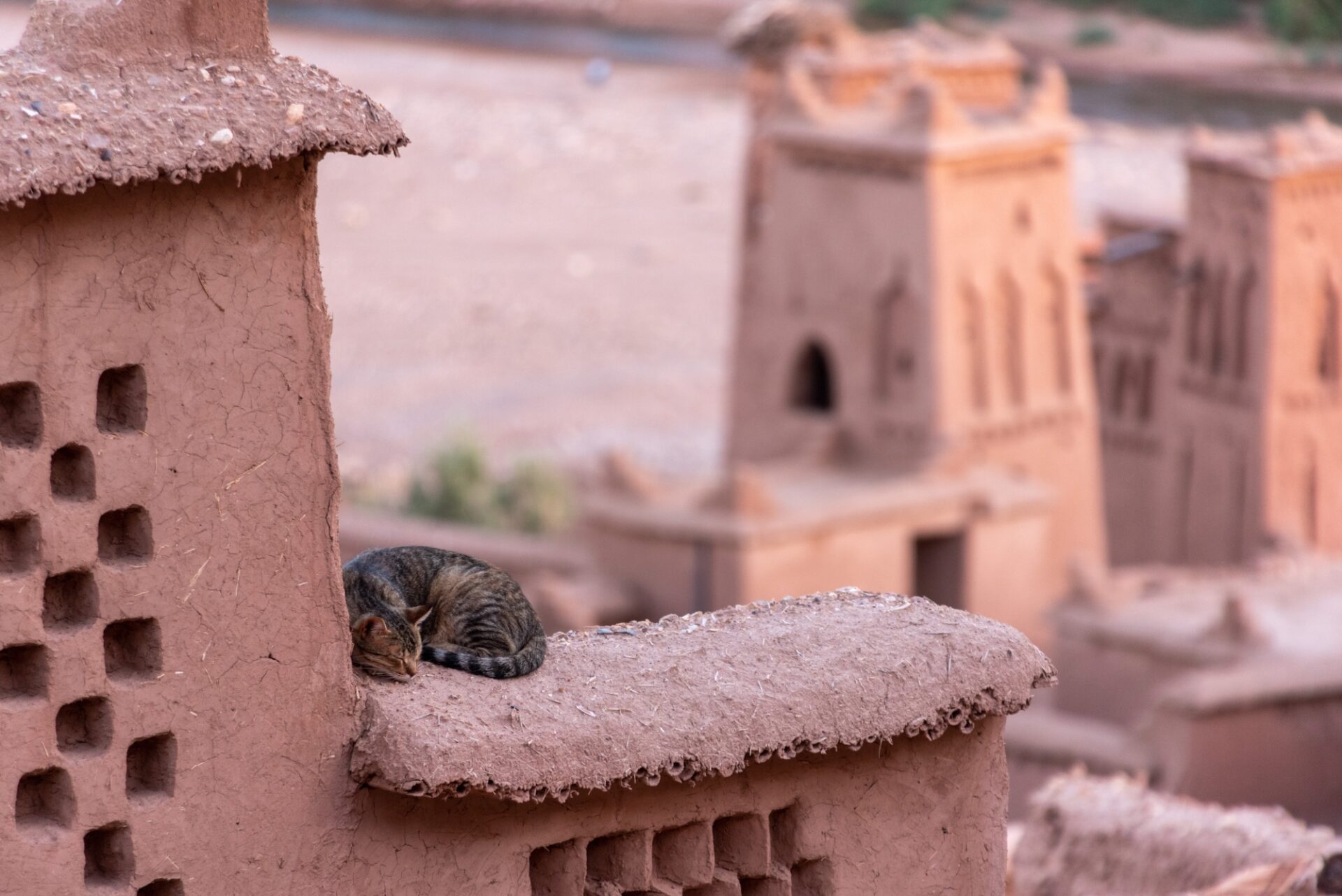
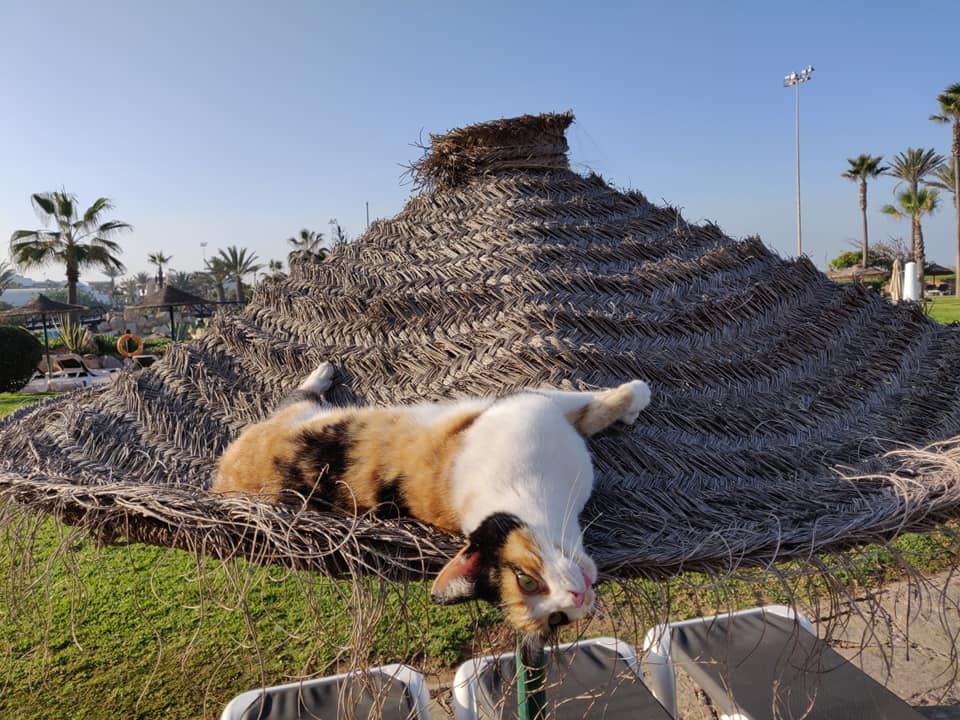
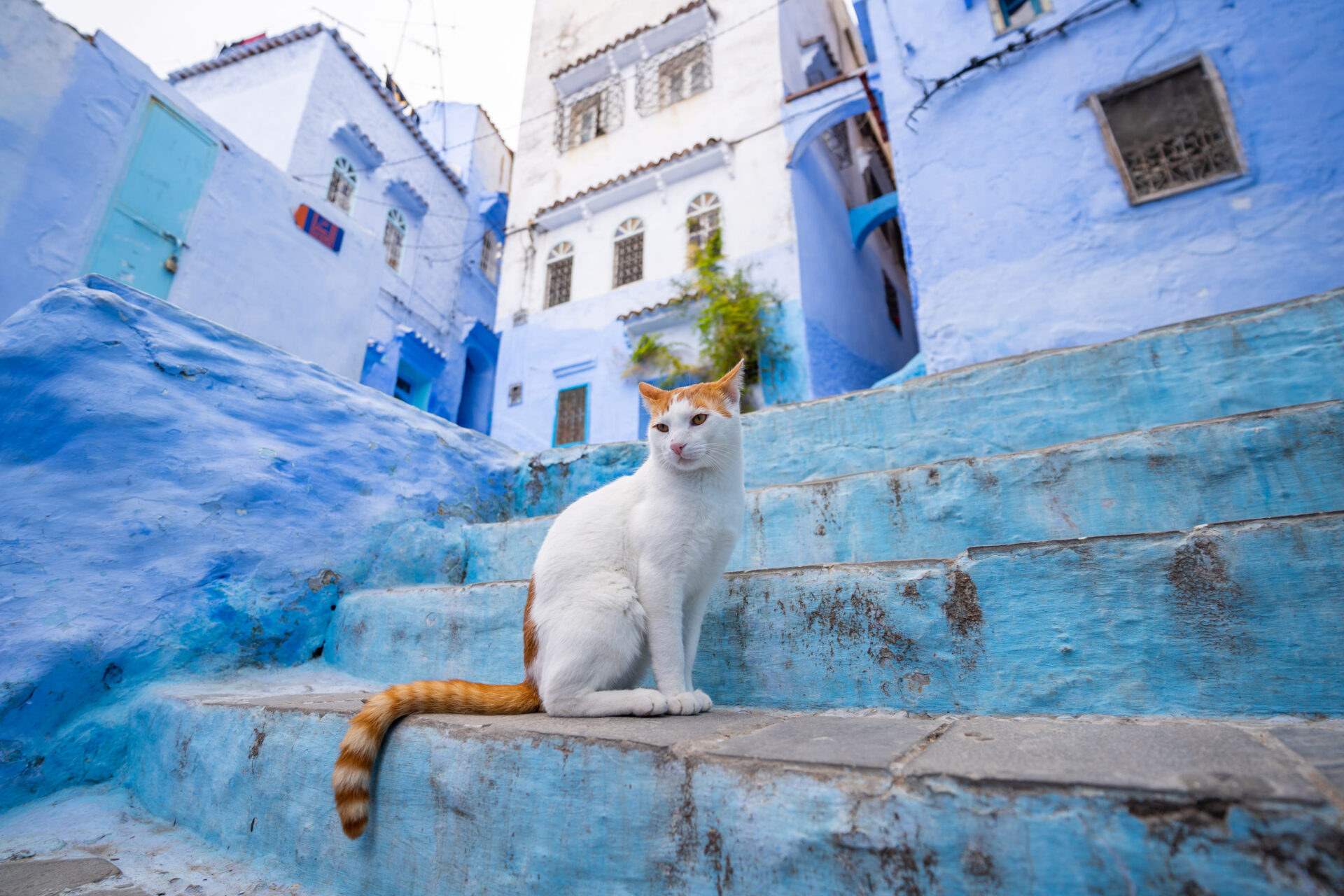
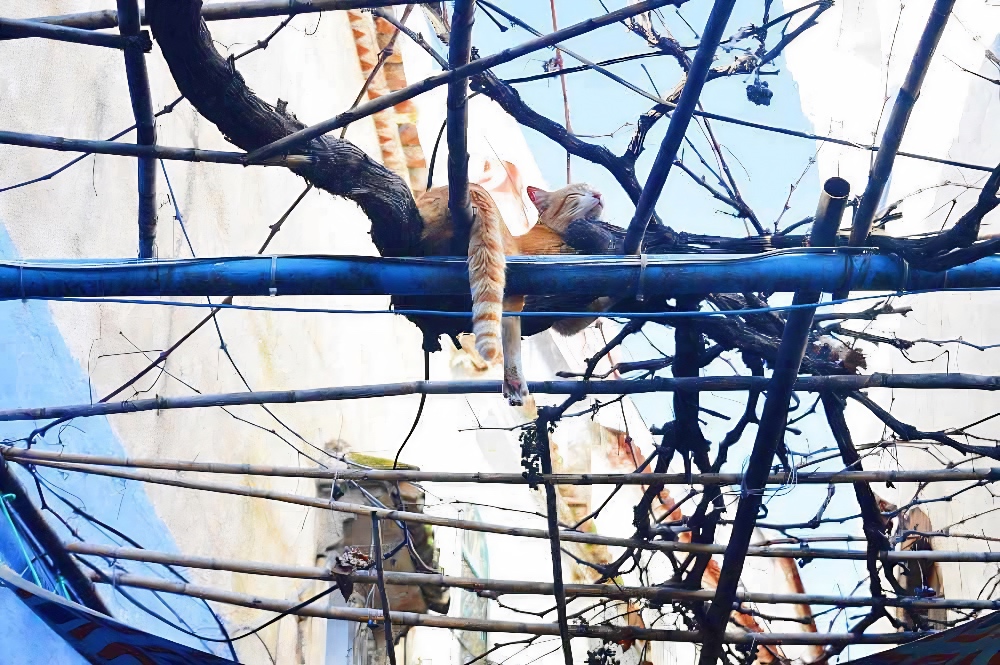
When you visit Morocco—especially the winding alleys of the Moroccan medinas (city centers)—you notice cats in every street corner. In some cities like Tangier, Chefchaouen, and Marrakesh, cats are literally everywhere. They’re part of the rhythm of daily life. You see them sleeping, playing, eating, and sunbathing in unusual places. This article explores why there are so many cats in Morocco and what you can do to help them.
Why are there so many cats in Morocco?
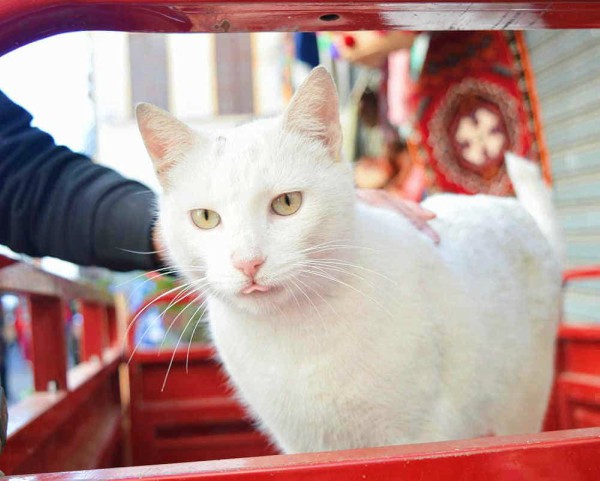
Stray cats in Morocco
Many Moroccans treat cats with compassion. This kindness has roots in Islam, where cats are considered clean animals and are often cared for and respected. Stories of the Prophet Muhammad’s affection for cats are widely known, and many Muslims in Morocco extend food, shelter, or water to stray animals.
However, this compassion is not enough to manage the growing cat population.
Lack of spaying and neutering
Fixing cats (spaying/neutering) is not very common in Morocco. As a result, stray cats continue to multiply, often faster than they can be cared for.
This leads not only to overpopulation but also territorial behavior. Male cats often fight for dominance, and both males and females can mark territory with strong-smelling urine.
Unfortunately, this overpopulation can also lead to diseases and public health concerns. While not common, cats in Morocco and rabies is something to be aware of. Rabies is present in the country, and although cases involving cats are rare, it’s still wise to avoid petting unknown animals, especially if they seem sick, aggressive, or unusually friendly.
Are stray cats in Morocco dangerous?
Generally, no. Most stray cats avoid humans or approach cautiously, especially if food is involved. However, any stray animal has the potential to carry fleas, parasites, or infections, so caution is always a good idea—especially if you’re traveling with children or have allergies or compromised immunity.

How to responsibly feed stray cats in Morocco?
Although some of these Moroccan cats have owners, the majority are wild cats who live and reproduce on the streets.
These cats can look happy, but despite efforts by locals and associations, many of them are hungry and need help. That’s why I always travel with cat food.
Here are several things you can do to ensure that you are doing it in a responsible and effective way:
-
Use clean containers: Bring a small, clean bowl or container for feeding. Avoid dumping food directly on the ground.
-
Feed the right food: Use dry or wet cat food—not leftovers or spicy dishes. Bones and certain ingredients (such as garlic and onions) can harm cats.
-
Choose a safe spot: Feed in a quiet area, away from cars and foot traffic. This keeps the cats safe and avoids creating a nuisance.
-
Practice hygiene: Wash your hands before and after feeding. Carry hand sanitizer or gloves if needed.
-
Don’t overfeed: Give only what the cats need. Overfeeding can attract more strays than the area can handle. This can worsen the problem.
- Carry fresh water: Cats often struggle to find clean water. Bring a small container and refill it daily.
By following these tips, you can help ensure that you are feeding the stray cats of Morocco in a responsible and effective way.
Other simple ways to help
Here are some other simple and direct ways you can help the stray cats of Morocco beyond feeding:
- Support local efforts: Consider donating to or volunteering with Moroccan animal welfare groups. These organizations work to vaccinate, sterilize, and care for stray cats.
- Look for trap-neuter-return (TNR) programs: Look for groups that sterilize stray cats in Morocco. You can donate, volunteer, or help spread the word.
- Share awareness on social media: Share this article and post about the issue to raise awareness. It helps local groups gain support and donations.
- Report injured or sick cats: If you see a cat in bad shape, tell a local vet or animal welfare group right away.
- Respect the cats: Don’t chase or scare them. Teach others, especially children, to treat them kindly.
Photographing cats in Morocco
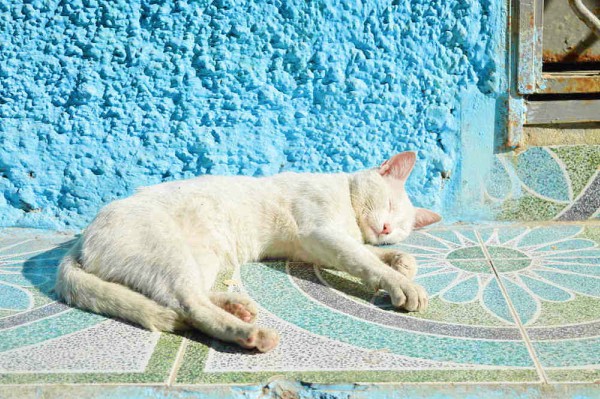
But the fact that there are so many cats in Morocco also comes with an advantage. They make for the most photogenic models for pictures.
Moroccan cats photography has become one of my favorite kinds of photography.
These cats are so special, charming, and full of personality. Whether I’m capturing one lounging in the sun or interacting with people or other animals, every moment offers a fresh and exciting chance to snap a memorable photo.
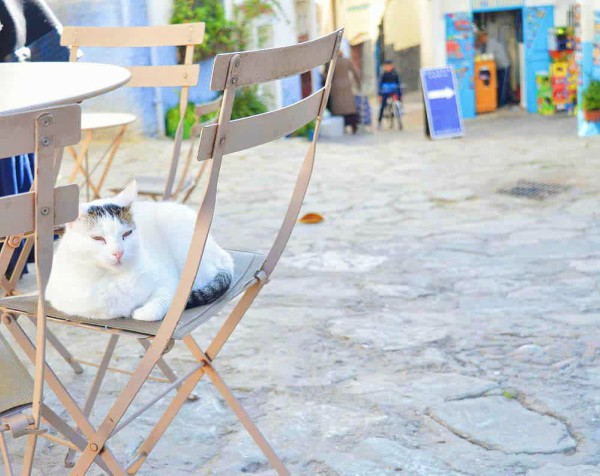
I also often find stray cats in surprising and unique spots, which only adds to the fun and adventure of photographing them. Seeing them always get me in a happy mood.
I have pictures of cats I took years ago, and I can still remember when, where, and how the picture was taken.
Final thoughts
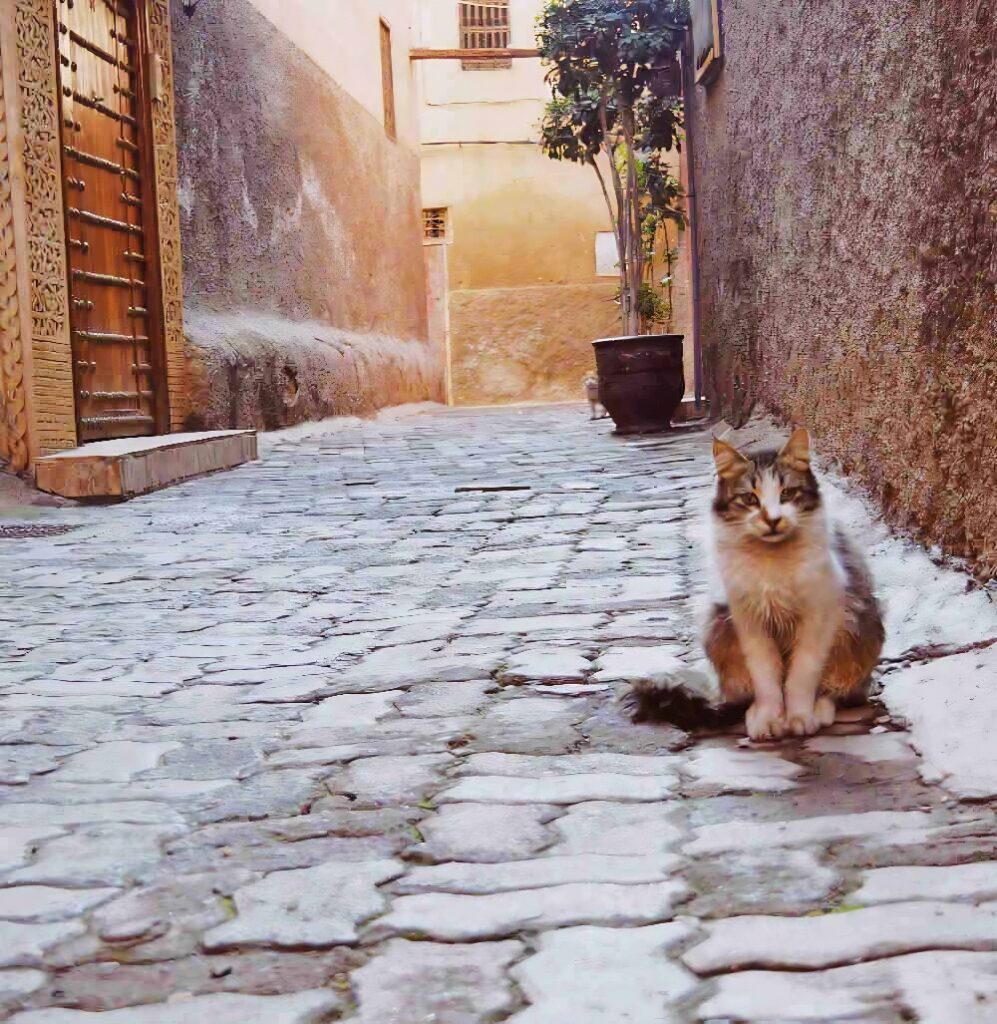
Did you enjoy these pictures I took of the cats in Tangier, Marrakesh, and Chefchouen? Let me know in the comments below. And, of course, don’t forget to share this post with your cat-loving friends and on social media.
Safaa is the founder of the blog Moroccan Zest, which reflects everything she loves about Morocco—from design and décor to food and travel.
She grew up in a traditional Moroccan family in Salé, Morocco, in a riad built by her grandfather.
From a young age, she surrounded herself with women who cherished art and craftsmanship—expressed through traditional jewelry, handmade kaftans, and interior design. Her days followed a familiar rhythm: morning trips to the local market for fresh ingredients, afternoons spent in her aunt’s sewing atelier filled with color, fabric, and conversation.
She quickly developed a love for working with thread and fabric. Over the years, her aunt taught her the art of Moroccan embroidery, including techniques like Rbati and Fessi.
Every Friday afternoon, they visited the medina or souk to meet local artisans and shop for sewing materials. Safaa eagerly joined these trips and always came home inspired, ready to start her next sewing project.
Today, she spends her time between New York City and Morocco. Moroccan Zest, a way to connect with the country she deeply loves.