Last Updated on 1 January 2026 by Vanessa
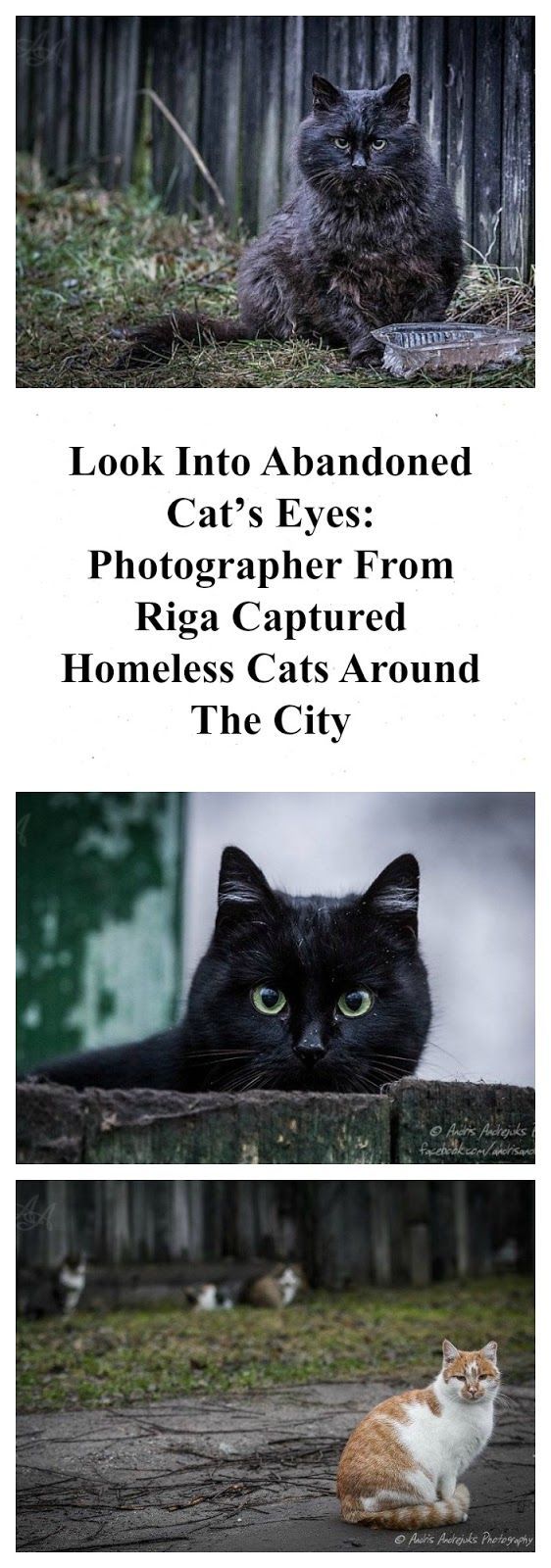
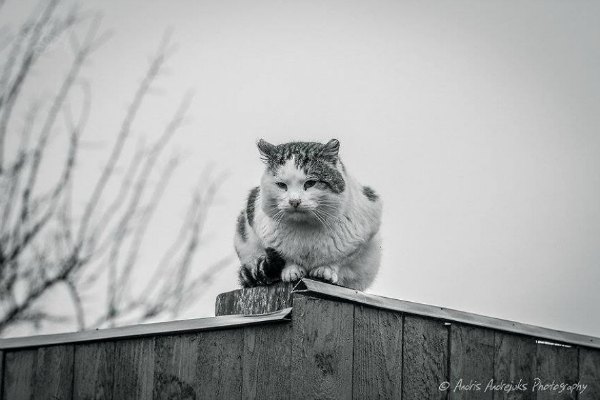
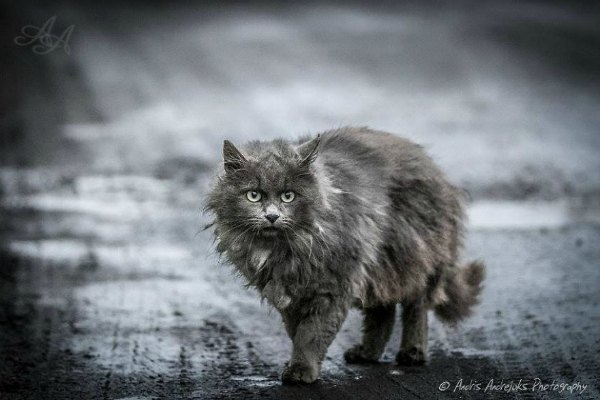
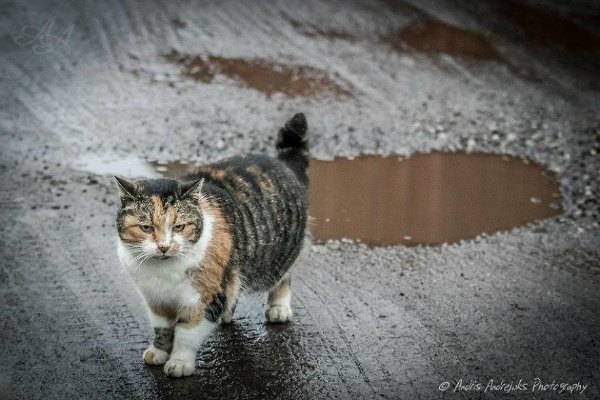
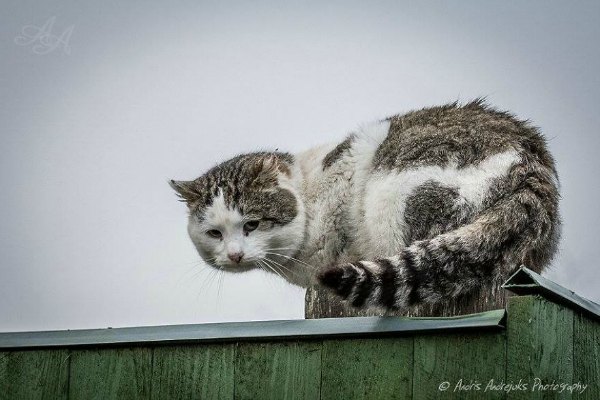
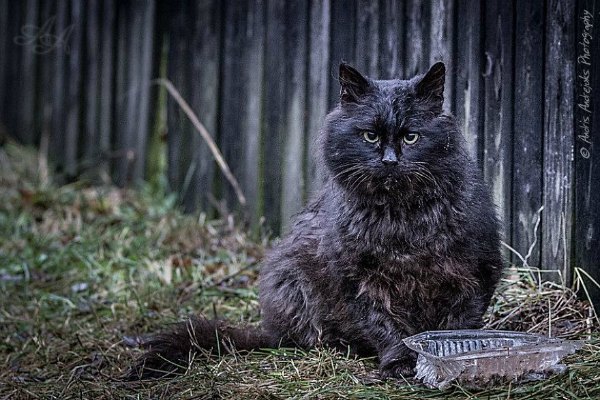
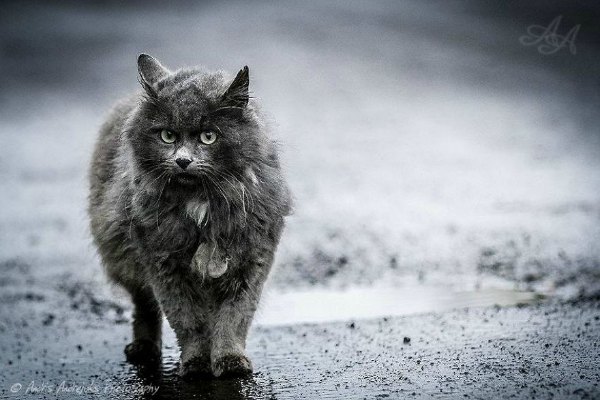
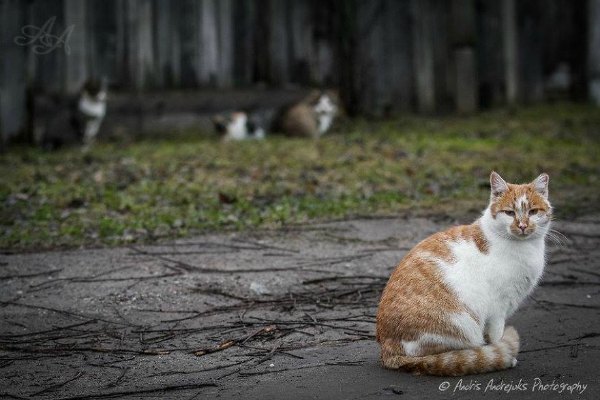
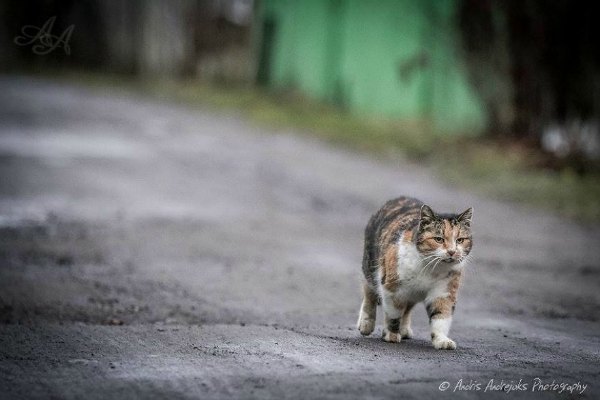
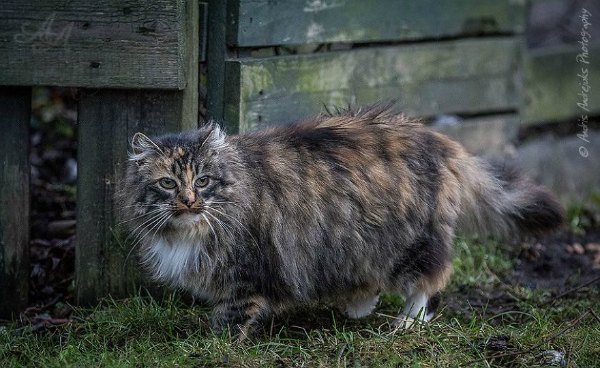
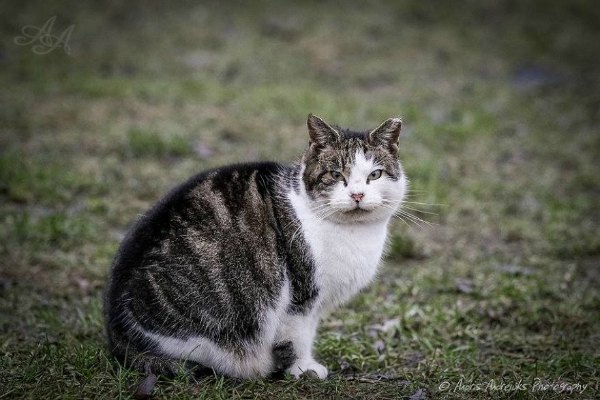
When photographer Andris Andrejuks started taking pictures of street cats in Riga, Latvia, he saw more than just strays—he saw animals with stories, faces, and feelings that often go unnoticed. His new photo series shines a light on the lives of these abandoned cats and the challenges they face, especially as winter approaches.
“As the summer season draws to a close, many cat and dog owners thoughtlessly leave their beloved companions behind, disregarding their fate and the impending winter,” Andrejuks says. “Tragically, for a significant number of these abandoned pets, the approaching months become their last.”
See the full photo series and learn more about the reality of street cats—and how you can help.
Riga-based photographer documents the lives of abandoned cats


Why are so many cats abandoned in Latvia?
In Latvia, many pet owners abandon their furry friends for a variety of reasons. Here are some factors that contribute to this ongoing issue:
Lack of responsibility
Some people adopt cats without fully understanding what it takes to care for them. When life gets complicated, they may give up the pet instead of finding a better solution.
Seasonal abandonment
During summer, it’s common for people to head to vacation homes or travel. Some leave their cats behind, assuming they’ll survive or someone else will step in. Many don’t realize how harsh winters can be for homeless animals.
Lack of awareness
Without proper education about spaying, neutering, and pet care, some owners end up with unexpected litters. When they can’t find homes for the kittens, they may abandon them.
Financial strain
Money troubles can make it hard to pay for food, vet visits, or other essentials. Sadly, some owners see abandonment as their only choice, unaware that support and resources are available.
Reducing cat abandonment in Latvia requires a mix of solutions—more public education, access to affordable spay/neuter programs, and better support for pet owners in need. With more awareness and compassion, we can help more cats stay safe and cared for.

What happens when a cat is abandoned?
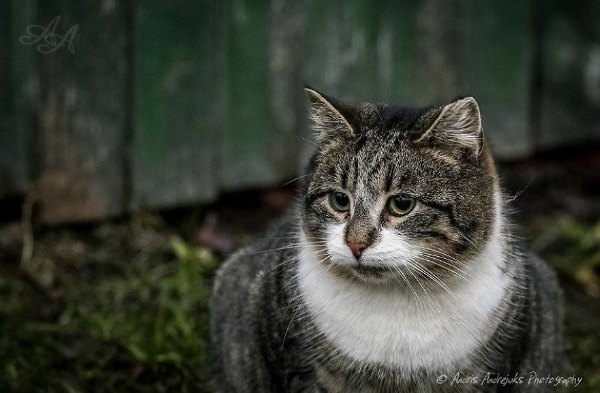
When a cat is abandoned, life quickly becomes a struggle—especially during the brutal Latvian winter. Here are some of the biggest challenges stray cats face:
-
Extreme cold: Winters in Latvia can drop below –15°C (5°F), and wind chill makes it even worse. While stray cats try to find shelter under cars, in abandoned buildings, or tight spaces, these spots offer little protection. Many suffer from frostbite or hypothermia.
-
Lack of food: In winter, food becomes scarce. Stray cats can’t rely on overflowing garbage bins or scraps like they might in warmer months. Without enough to eat, they become malnourished and weak.
-
Greater danger from predators: In the hunt for food, cats may wander farther and into more dangerous areas. This puts them at risk from predators, aggressive animals, and even humans.
-
Serious health risks: Without regular care, stray cats are exposed to diseases like FIV (feline immunodeficiency virus) and FeLV (feline leukemia virus), which weaken their immune systems and can lead to serious illness or death.
-
No access to vet care: Stray cats can’t get vaccines, medicine, or treatment for injuries. In cold weather, untreated health issues get worse quickly.
Despite these challenges, animal welfare groups and caring individuals are working to help. Food stations, warm shelters, and spay/neuter programs make a difference—but the most important step is preventing abandonment in the first place.
Want to help? Support local shelters, share this story, or start by making sure your own pets are safe, healthy, and never left behind.

Rescuing abandoned cats
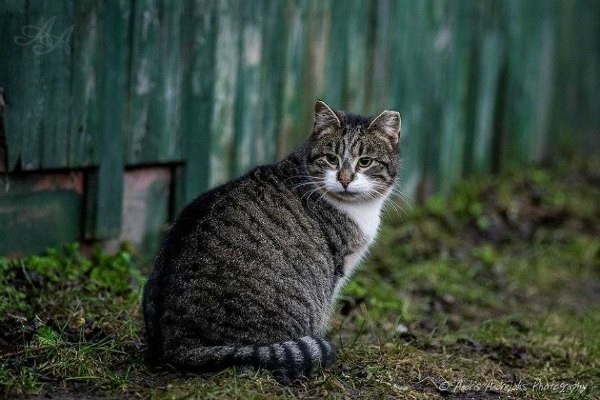
Many local animal welfare organizations, such as Cat Care Community, as well as private individuals work tirelessly to provide support for stray cats during winter and beyond. They set up feeding stations, distribute food and water, and establish temporary shelters to help mitigate the challenges faced by these cats.

Population control measures
To address the growing number of stray cats, Latvia has introduced several population control programs—most importantly, spaying and neutering campaigns.
These efforts focus on sterilizing both male and female cats to stop the cycle of reproduction. In many cases, the cats are returned to their original location after surgery (a method known as TNR, or trap-neuter-return). Over time, this helps reduce the overall stray cat population.
Local vets, animal welfare groups, and city authorities often team up to offer low-cost or subsidized sterilization services—not just for pet owners, but also for people who care for stray or feral cats.
Spaying and neutering also improve cats’ health and behavior by lowering the risk of certain diseases and aggressive mating-related behavior.
The success of these programs depends on teamwork. When citizens, vets, animal groups, and local governments work together, real progress is possible in reducing the number of cats living on the streets.
If you care for outdoor cats or want to help, consider supporting or spreading the word about these programs. Every effort makes a difference.

Adoption
Winter can serve as a reminder for people to adopt stray and abandoned cats and provide them with a safe and warm home. Animal shelters and rescue organizations often intensify their adoption campaigns during this time, encouraging their members to provide a loving environment for these vulnerable animals.

What other countries can teach us about helping Latvia’s abandoned cats
Looking at how other countries handle stray and abandoned cats can help us find new ideas and proven strategies for improving the situation in Latvia. Here are a few examples worth learning from:
Greece: large-scale sterilization programs
The Greek islands have long struggled with large stray cat populations. Animal welfare groups there have launched major spay/neuter campaigns, often with international support. These programs use the trap-neuter-return (TNR) method—cats are humanely caught, sterilized, given medical care, and then released. Latvia could apply a similar approach in areas with high numbers of stray cats to help reduce overpopulation and improve animal welfare.
Japan: cat cafés to raise awareness and promote adoptions
Japan popularized cat cafés, where people enjoy drinks while spending time with rescued cats. These spaces give abandoned cats a safe environment, help socialize them, and often lead to adoptions. Cat cafés have also helped educate the public and encourage responsible pet ownership. Latvia took a step in this direction with its first cat café, Kotoffski, which opened in Daugavpils in 2021. Expanding this idea could help more cats find homes and build awareness in local communities.
Europe: partnerships that get results
In several European countries, progress has come through collaboration. Governments, animal welfare organizations, veterinary clinics, and citizens have joined forces to run spay/neuter programs, vaccinations, adoption drives, and education campaigns.
-
Italy: In cities like Rome, local authorities work closely with cat colonies and volunteer caretakers. Registered volunteers help feed and monitor community cats, while veterinarians sterilize them through government-funded programs.
-
Germany: Some regions enforce mandatory spaying/neutering for outdoor cats and partner with local shelters and vets to offer subsidized services. Education campaigns are often supported by municipalities.
-
The Netherlands: TNR programs are supported by municipalities and national animal organizations. The country also has a strong network of shelters that promote adoption and community engagement.
-
Portugal: In Lisbon, city authorities and NGOs work together on sterilization and vaccination campaigns for stray cats, often using mobile vet units to reach more areas.
-
France: Many towns run collaborative TNR efforts involving local councils, animal charities, and citizen volunteers. Cats are sterilized, treated, and returned with public support and involvement.
Latvia could benefit from creating more of these public-private partnerships, combining resources and community involvement to tackle the issue from multiple angles.
The takeaway? Latvia doesn’t have to start from scratch. By adapting successful programs from places like Greece, Japan, and across Europe, the country can build a more effective, compassionate strategy for helping its stray and abandoned cats.
Want to help? Support local spay/neuter efforts, spread awareness, or even start a cat-friendly initiative in your own community. Every small action matters.

About photographer Andris Andrejuks
Photography isn’t Andris Andrejuks’ main job, but it’s been his lifelong passion. In his free time, he loves capturing nature, animals, and everyday events through his camera.
Of all his projects, none has been as powerful or eye-opening as his series on the street cats of Riga.
Final thoughts
Andrejuks uses his photos to spark empathy and reflection. By inviting viewers to look into the eyes of these abandoned cats from Riga, he hopes to inspire a sense of responsibility for their care. His goal is to get people thinking about their own pets and what they can do to keep them safe and loved.
If this photo series moved you, consider sharing it with your friends and on social media. Your support helps raise awareness for these vulnerable cats.


Photos submitted by Cat Care Community

Pin Andris Andrejuks’ photo series of abandoned cats in Riga!