Last Updated on 11 December 2025 by Vanessa
“The ancient Egyptians did everything to make their cats happy,” writes Annemarie Schimmel in her book Cairo Cats: Egypt’s Enduring Legacy.
“They were groomed and bathed, anointed with fragrant oils, and, of course, fed with excellent food for a cat’s life was as important as a human life. Even during famines, some food was apportioned to cats.”
They were considered sacred and divine creatures, closely associated with several gods and goddesses, and they were believed to bring good luck and fortune to their owners.
The Egyptians even had laws in place to protect their cats.
In Egypt it was not unknown for someone who killed a cat to be executed or, if he happened to be caught in the act, lynched by the furious masses.
Today, as these photographs from the book Cairo Cats: Egypt’s Enduring Legacy prove, the mystique of the cat is still very much alive in Egypt, and cats continue to hold a special place in the hearts of many local people.
In fact, some people still believe that caring for cats brings them good luck and prosperity.
Enjoy the photos!
Cats and Egyptians: a sacred and enduring connection
Soda stand on Sharia al-Falaky, Bab al-Louk
Sharia al-Falaky is a street in the Bab al-Louk neighborhood in central Cairo. It is known for its history and architectural beauty, and has several prominent buildings and landmarks lining its path.
One of the most notable landmarks on Sharia al-Falaky is the Bab al-Louk market, which has been in operation for over a century. The market offers a wide range of goods, including textiles, spices, and handmade crafts. It is a popular destination for tourists, locals, and… cats.
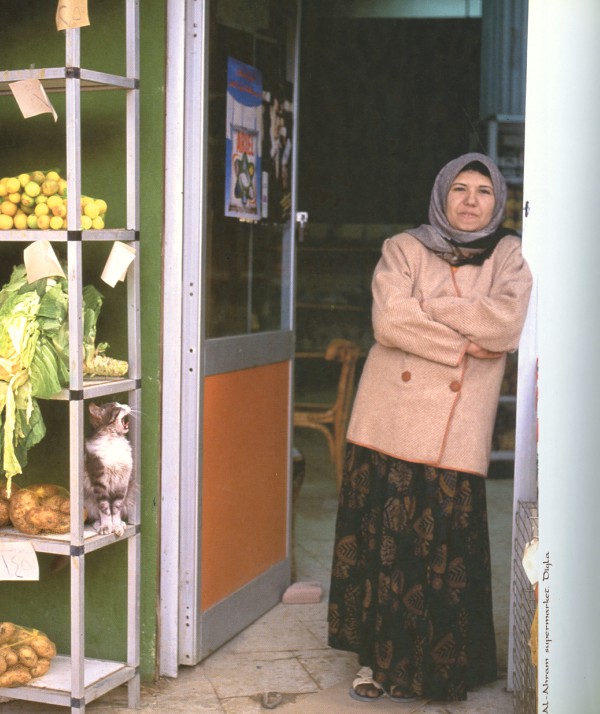
Al-Ahram supermarket, Digla
Al-Ahram supermarket, in the Digla neighborhood of Cairo is a popular destination for locals and expats looking for a wide range of grocery items.
One of the reasons why Al-Ahram supermarket is so popular is its commitment to providing high-quality products at affordable prices. Customers can find both local and imported items here.
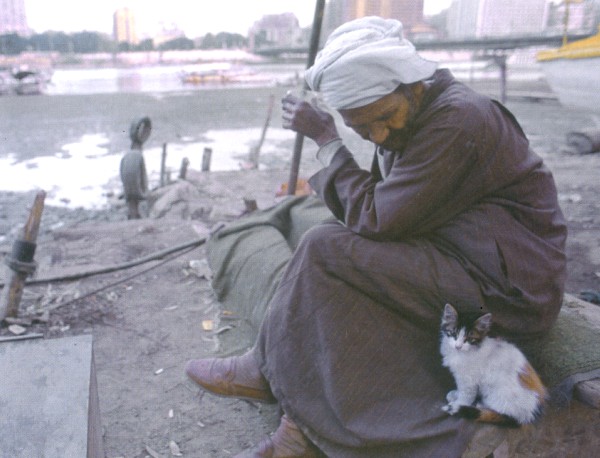
Mr. Ibrahim and Mish-Mish on the banks of the Nile, Zamalek
Zamalek is an affluent neighborhood on an island in the middle of the Nile River in Cairo.
One of the most significant features of Zamalek is its picturesque banks, which offer a peaceful escape from the hustle and bustle of Cairo’s busy streets.
It is a popular spot for joggers, cyclists, and walkers who come to enjoy the fresh air and beautiful scenery.
Many people also stroll along the banks to watch the sunset, which is particularly breathtaking over the Nile.
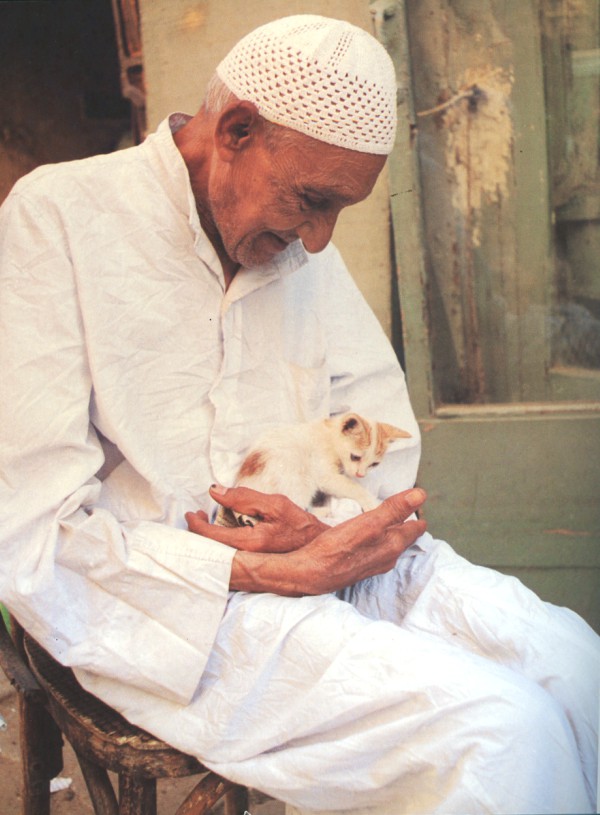
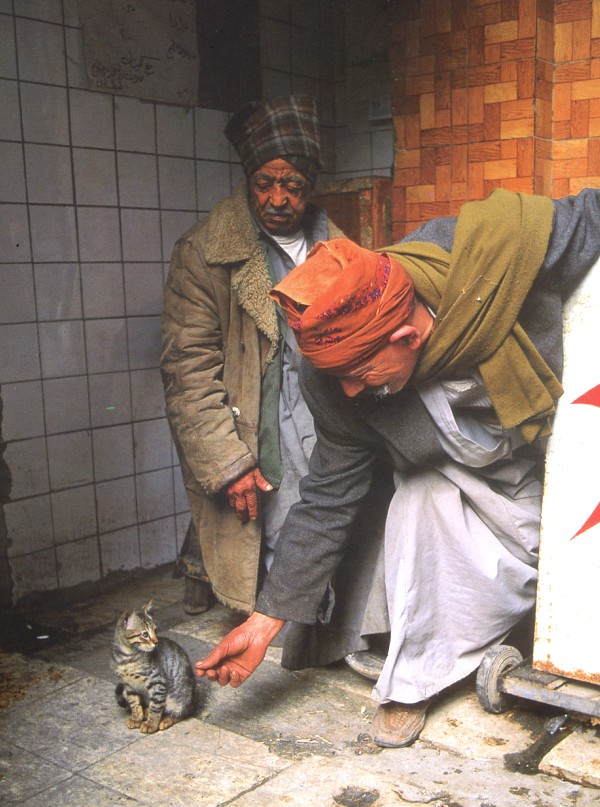
A stray kitten in an old man’s hands, Darb al-Ahmar
Darb al-Ahmar is a historic neighborhood in the heart of Cairo.
The name “Darb al-Ahmar” means “red road” in Arabic. It is believed to be a reference to the red bricks found in many of the buildings in the neighborhood.
Darb al-Ahmar is home to the Al-Azhar Mosque (one of the oldest and most prestigious universities in the Islamic world), the Al-Hussein Mosque (a popular tourist destination), and the Bayt Al-Suhaymi Museum (which offers a glimpse into the daily life and traditions of Cairo’s former residents).
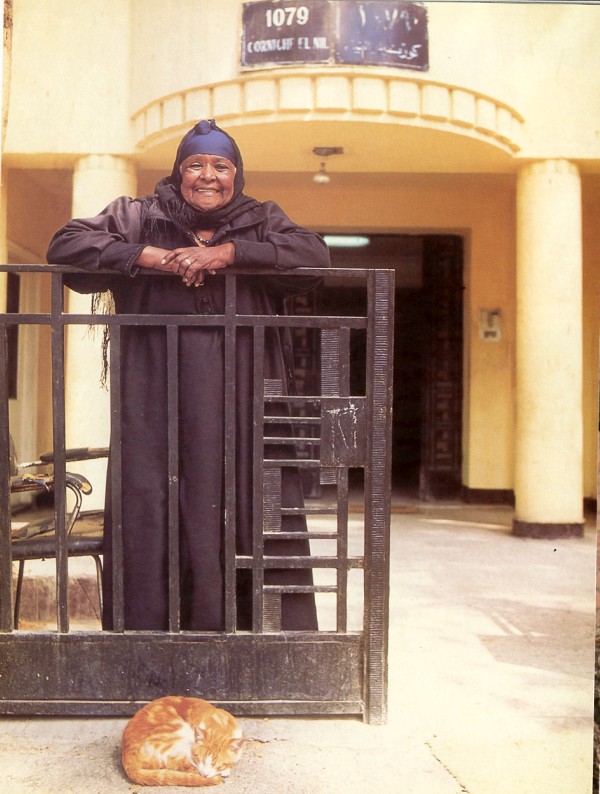
1079 Corniche al-Nil, Garden City
1079 Corniche al-Nil is a luxurious residential complex in Garden City, a wealthy neighborhood in the heart of Cairo.
The building offers some of the most exclusive and sought-after apartments in the city. Residents of 1079 Corniche al-Nil enjoy stunning views of the Nile and the city skyline from their apartments. They also have access to high-end facilities and services, including a swimming pool, fitness center, and 24-hour security.
The area also provides easy access to some of Cairo’s most popular attractions, including the Egyptian Museum, the Cairo Opera House, and the historic Al-Azhar Mosque.

Feline butcher’s assistant in Imbaba
Imbaba is a densely populated neighborhood in Cairo, located on the western bank of the Nile.
Despite being an old and poor area of Cairo, Imbaba has a unique charm and character that attracts visitors from all over the world.
At the local markets, the streets are alive with the sounds of vendors haggling and children playing. Meanwhile, the aroma of traditional street food fills the air.
While Imbaba may not be the most glamorous part of Cairo, it is certainly one of the most authentic and culturally rich.
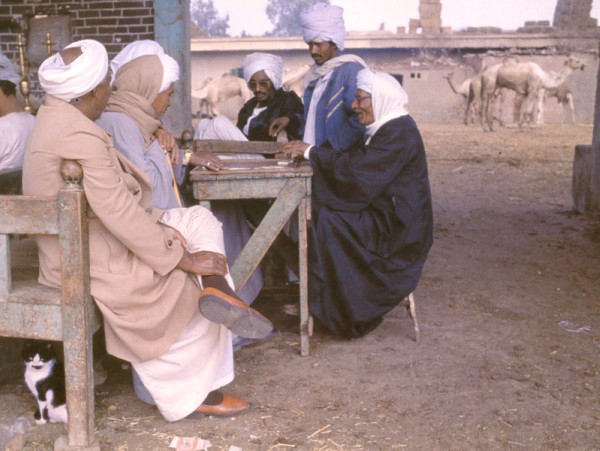
Did you like these photos about cats and their people in Egypt? Then check out the book Cairo Cats: Egypt’s Enduring Legacy. You’ll find even more photos of Egyptian cats by the same photographer.
And, of course, don’t forget to share this post with your cat-loving friends and on social media.
Want more books to add to your reading list? These awesome books about Egypt may be just what your looking for.
Read next: 100+ Egyptian Cat Names (With Meanings)