Last Updated on 28 December 2025 by Vanessa
Every visitor will notice the overwhelming number of cats around the Maltese Islands. Some tourists even call them “cat islands.” As soon as you step foot on one of these islands, you’ll be greeted by a chorus of meows and whiskers.
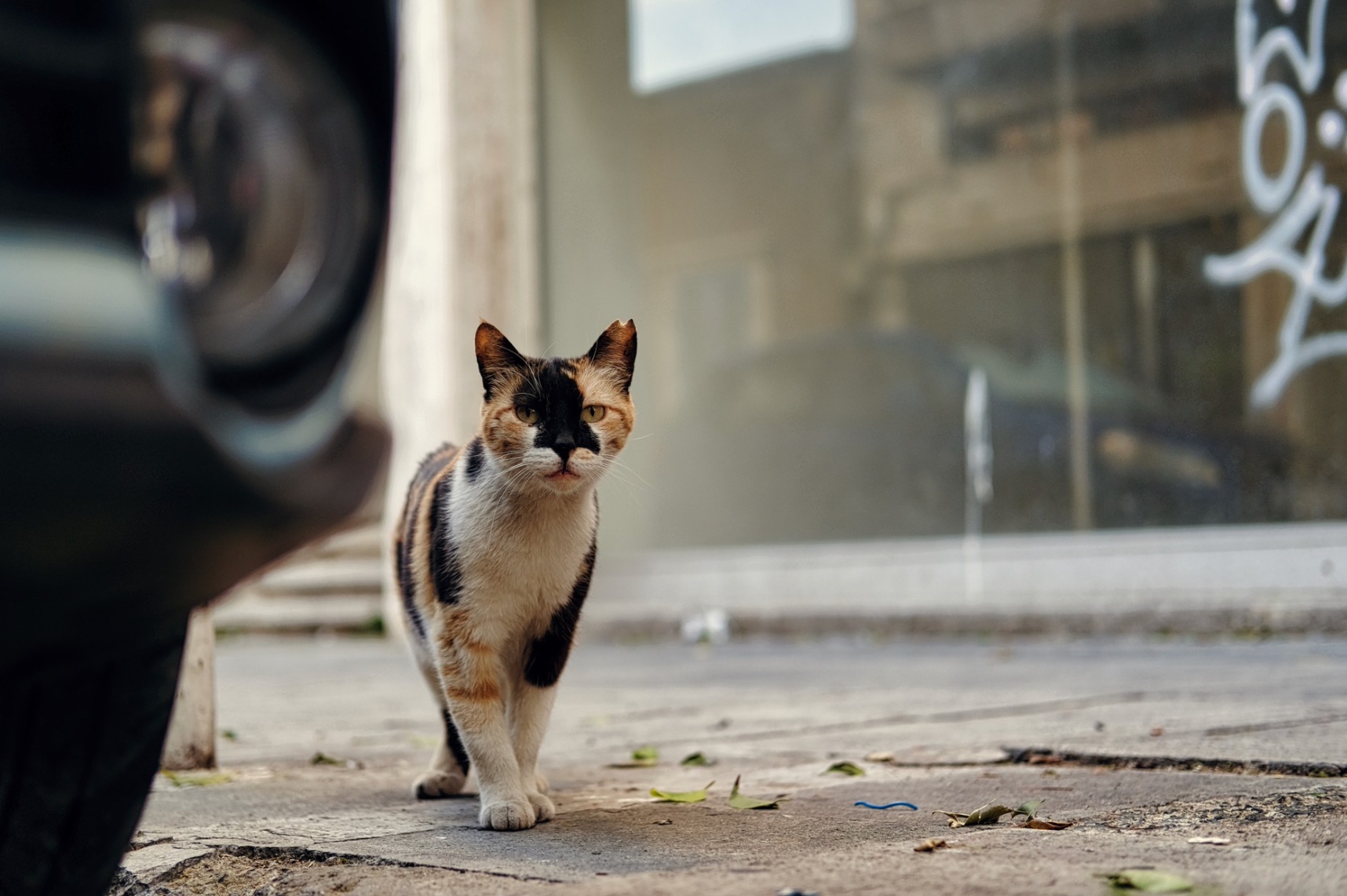
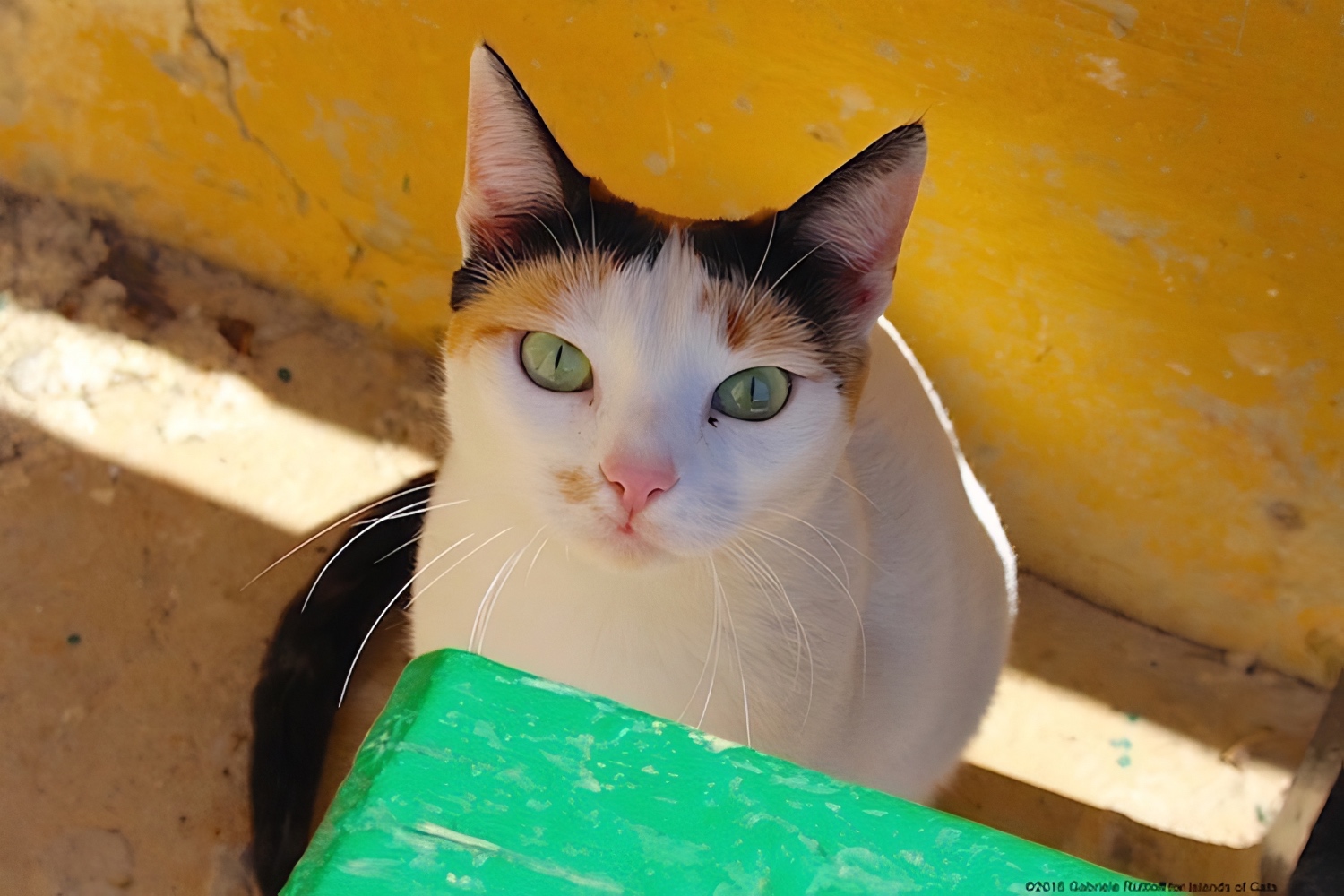
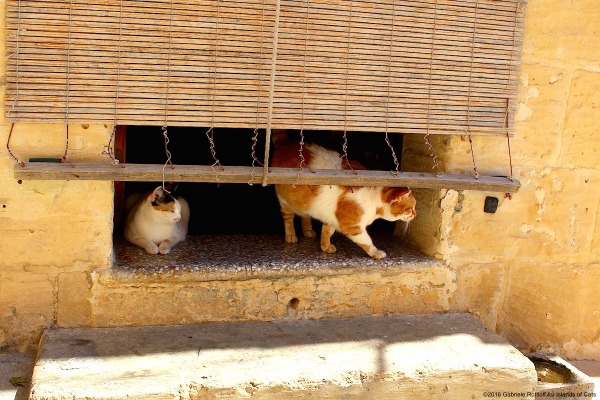
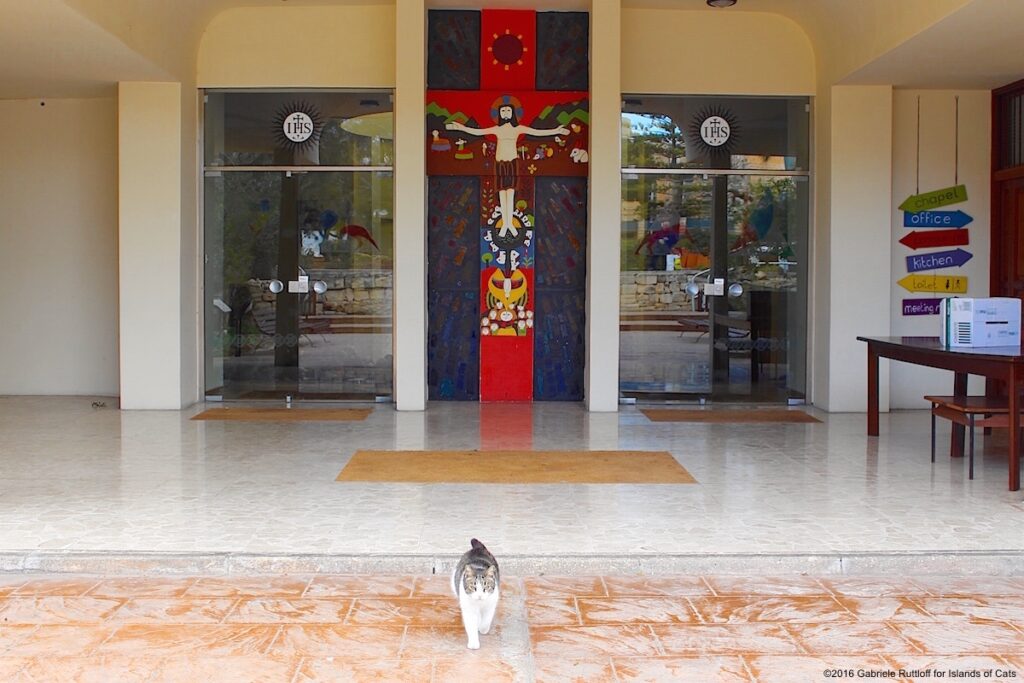
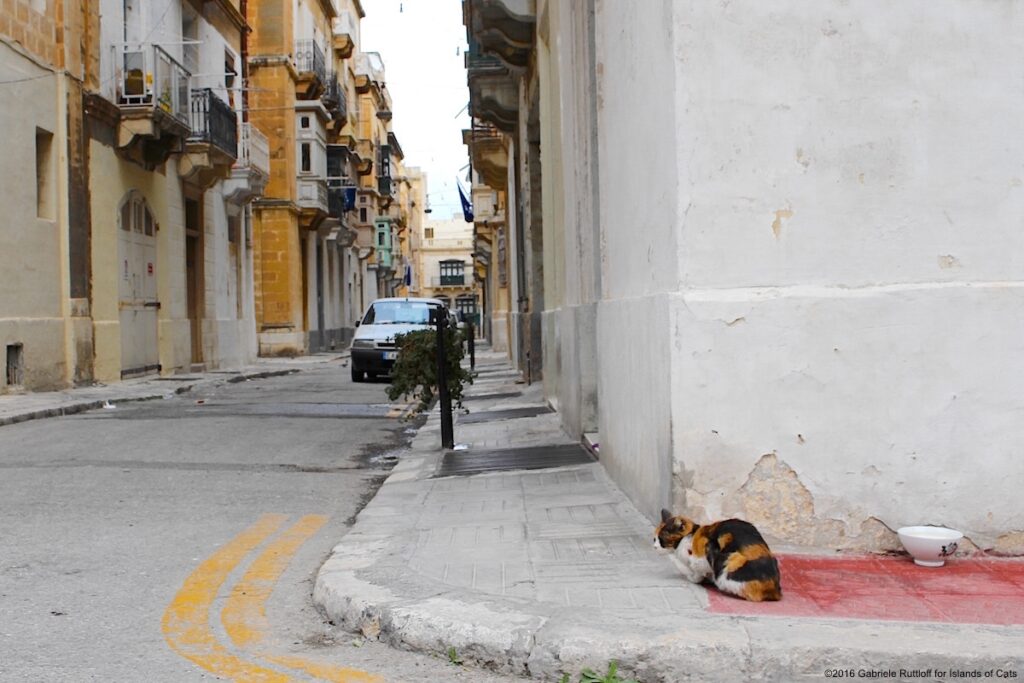
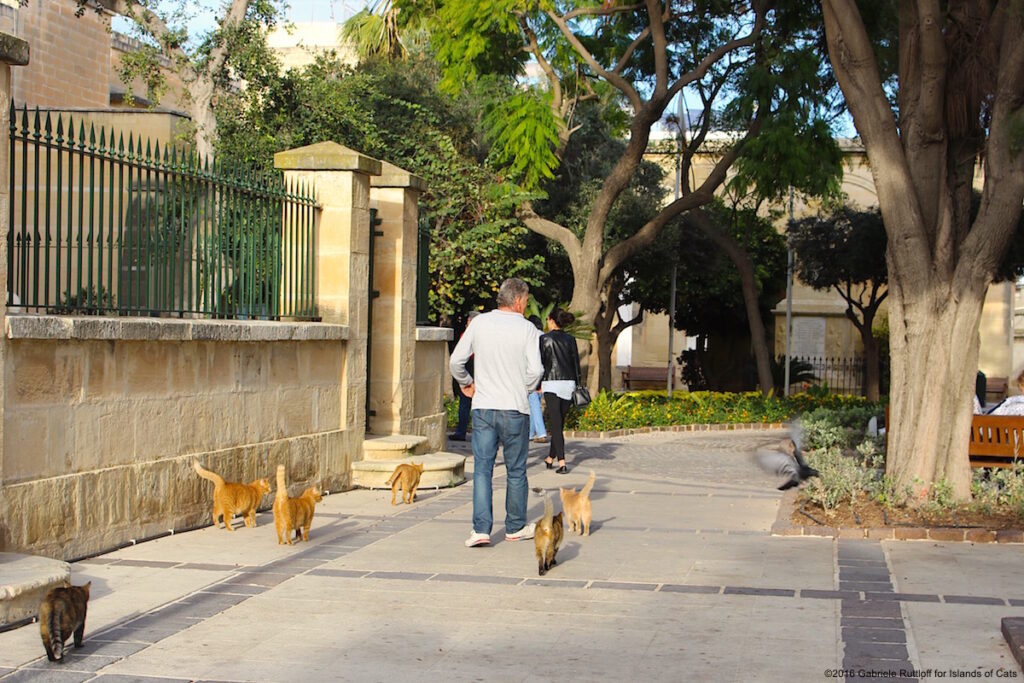
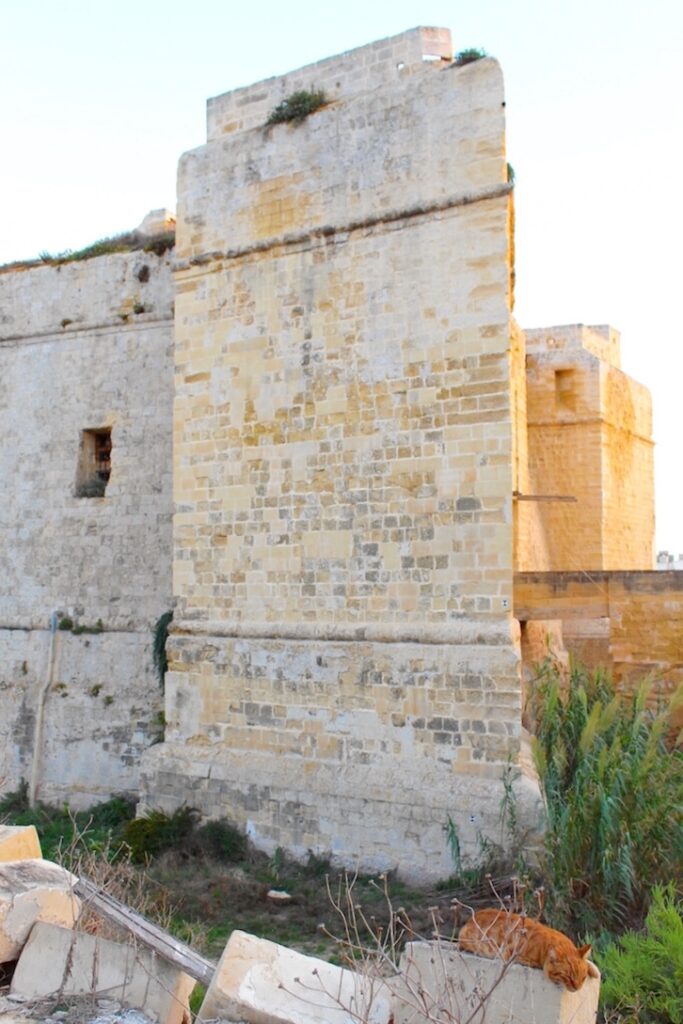
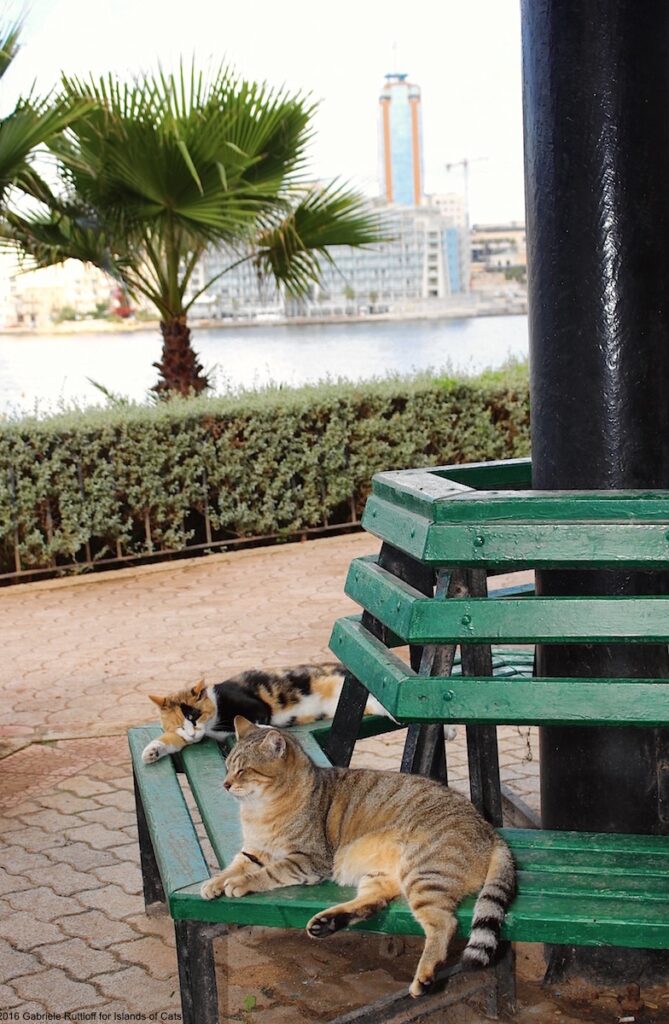
For this blog post, the stray cats of Malta and Gozo are the stars, photographed at around feeding time during the winter months. Enjoy the view.
An inside look at the stray cat colonies and TNR programs in Malta and Gozo
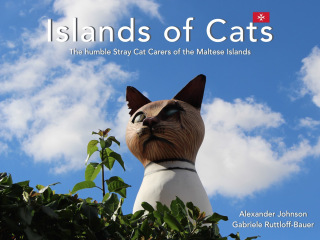
This is a guest post by Alexander G. Johnson and Gabriele Ruttloff-Bauer, authors of the book Islands of Cats: The Humble Stray Cat Carers of the Maltese Islands.
Where are Malta and Gozo located?
The Maltese Islands are located in the Mediterranean Sea, south of Italy and east of Tunisia. The archipelago consists of three islands: Malta, Gozo, and Comino.
Malta is the main island of the Maltese Archipelago, Many people go there to enjoy the sun, sea, and beaches, as well as its rich offerings in history, culture, and gastronomy.
Malta’s green little sister, Gozo, is located north of Malta, a short 20-minute ferry ride away.
Only 67 square kilometres in size, Gozo (known in Maltese as Għawdex) has much history to offer, including one of the oldest free standing temples in the world: the 5,500-year-old Ġgantija.
Gozo island is popular amongst divers from all over the world, for hiking, for its rough yet green landscape, or simply for relaxed holidays away from the busy tourist centers of Malta.
And cats know that, too.
Stray cats of Malta and Gozo
By conservative estimation, some 350,000 stray cats live on Malta and Gozo.
There are several root causes of the stray cat crisis on the Maltese islands:
Lack of spaying and neutering
One of the main reasons why there are so many stray cats in Malta and Gozo is the lack of spaying and neutering. Unsterilized cats can quickly reproduce, leading to overpopulation and an increase in the number of feral cats on the streets.
Abandonment
Some people abandon their cats when they move away or can no longer care for them. These abandoned cats often join the feral cat population, leading to an increase in the number of stray cats on the streets.
Irresponsible breeding
Some people breed cats for profit, without proper care or regard for the welfare of the animals. This can lead to an increase in the number of cats that are abandoned or left to roam the streets.
Lack of education
Many people in Malta and Gozo are not aware of the importance of spaying and neutering their pets, or the consequences of abandoning them. This lack of education can lead to more cats being left to fend for themselves on the streets.
How stray cat carers are making a difference
You will find strays in most corners of the world, the only difference is in Malta and Gozo the cats are not scraggy and musty. The opposite is even true: They are well fed and in peak condition, with glossy fur and bright eyes.
With very little control exercised by official bodies, it is thanks to the initiative and devotion of more than 1,000 individuals who feed the strays daily, provide veterinary support and have them neutered and spayed as young as four months (primarily at their own costs).
However, some clever moggies hide too well and do reproduce.
However, today the cat population in this overdeveloped, sea-locked small nation is stable, if not declining.

Read more about the role of cat carers in rescuing and caring for stray cats
If you want to know more about the stray cats of Malta and Gozo, and specifically about the excllent care the locals provide, then the book Islands of Cats – The humble Stray Cat Carers of the Maltese Islands is a good way to start.
For this book, six of the 22 stray cat carers portrayed were visited in Gozo, namely in the towns of Żebbuġ, Xlendi, Fontana, Għajnsielem, Qala, and Rabat (former British Victoria).
It is a diverting read with 232 original color photographs that capture the carers and the cat colonies in genuine, unfeigned situations.
The book also highlights the story of each caregiver and includes interesting facts about the localities visited, besides cat-related information.
All photographs have been taken between October 2015 and March 2016, with the strays in their fluffy winter coat.
Islands of Cats: The Humble Stray Cat Carers of the Maltese Islands is available in English, German (Malta & Gozo – Inseln der Katzen), and Maltese (Malta & Gozo – Il-Gżejjer tal-Qtates).