

Last Updated on 25 June 2025 by Vanessa
Are you looking for Japanese cat names for your new furry friend?
Among all the lists of cat names I’ve compiled, creating this one was an absolute delight – because Japan is the land of kaiju (giant monsters), anime, eccentric films, delicious food, and so much more.
In fact, there are enough cute cat monikers here to name an entire cat island if that’s your ambition.
I hope you’ll derive as much enjoyment perusing this list as I did assembling it.
Japanese cat names (with meanings)

Japanese cat names based on kaiju monsters
- Anguirus: A spiky, ankylosaurid kaiju known for its loyalty to Godzilla and its ability to curl into a ball.
- Battra: A darker, more aggressive moth-like kaiju introduced as Mothra’s rival in Godzilla vs. Mothra.
- Biollante: A massive plant-like kaiju with a unique and monstrous appearance.
- Destoroyah: A formidable monster created by the fusion of Precambrian crustaceans, known for its destructive capabilities.
- Ebirah: A giant lobster that made its debut in Godzilla vs. the Sea Monster.
- Gamera: A giant, flying turtle from the Gamera film series, known for its protective nature and battles against other monsters.
- Gigan: A cybernetic kaiju featuring a buzzsaw in its chest and hooks for hands, known for its fierce battles with Godzilla.
- Godzilla (Gojira): The iconic kaiju known for its destructive power, featured in numerous films as a force of nature.
- Gorosaurus: A type of dinosaur that appeared in King Kong Escapes and Destroy All Monsters.
- Hedorah: Also known as the Smog Monster, it’s a pollution-based kaiju with a distinctive appearance.
- Iwakura: A massive rock-based kaiju featured in some Godzilla spin-offs and games.
- Kamacuras: Giant mantis that appeared in Son of Godzilla.
- King Ghidorah: A formidable three-headed dragon and one of Godzilla’s most famous adversaries.
- Manda: A serpentine sea dragon known for its aquatic nature and appearances in the Godzilla series.
- Mechagodzilla: A robotic doppelganger of Godzilla created by humans to combat kaiju threats.
- Megalon: A giant beetle with drill-like arms, featured in Godzilla vs. Megalon.
- Moguera: A robotic kaiju created by aliens and featured in The Mysterians and Godzilla vs. SpaceGodzilla.
- Mothra: A giant moth often depicted as a benevolent guardian of Earth in the Godzilla series.
- Orga: A kaiju that appeared in Godzilla 2000: Millennium.
- Rodan: A pteranodon-like kaiju known for its flying abilities and destructive potential.
- Varan: A flying kaiju with a sail-like frill on its back, featured in Varan the Unbelievable.
Anime cat names
- Artemis: From Sailor Moon, Artemis is a talking cat, named after the Greek goddess of the moon and hunting.
- Blair: Blair the Cat-Witch from Soul Eater.
- Chi: The titular character of Chi’s Sweet Home, a cute and curious kitten who embarks on adventures.
- Happy: The blue cat from Fairy Tail.
- Jibanyan: A popular character from the Yo-kai Watch series, Jibanyan is a ghostly cat with a short temper.
- Jiji: From the anime film Kiki’s Delivery Service, Jiji is the witch’s sassy black cat.
- Kamineko: From the Nichijou anime, Kamineko is a fierce and aggressive cat who often gets into comical situations.
- Kurama: Inspired by Kurama, the Nine-Tails Fox Spirit from Naruto, who has a fox-like appearance.
- Kuro: Rin’s familiar in Blue Exorcist, a two-tailed cat demon with the ability to grow in size.
- Kyo: Kyo Sohma from Fruits Basket, a character who can transform into a cat when hugged by the opposite sex.
- Luna: The talking black cat from Sailor Moon.
- Madara: Madara Cat from Natsume’s Book of Friends is a powerful and wise spirit in feline form.
- Meowth: Meowth is a cat-like Pokémon that’s part of Team Rocket.
- Muta: A large, grumpy, but ultimately loyal cat who helps Haru in Studio Ghibli’s cat movie The Cat Returns.
- Natsu: A character from Fairy Tail, Natsu Dragneel’s “Exceed” cat, Happy’s best friend. The name Natsu means “summer” in Japanese.
- Nekotalia: A combination of “neko” (cat) and “Hetalia,” Nekotalia is a fan-made concept in the Hetalia series where characters are portrayed as cats.
- Puar: From Dragon Ball, Puar is a small, shapeshifting cat-like creature and a close friend of Yamcha.
- Sakamoto: The talking black cat from Nichijou, always wearing a red scarf and trying to appear wise.
- Sorata: A street-smart stray cat featured in Sekaiichi Hatsukoi.
- Tama: From Sazae-san, one of Japan’s oldest and most beloved anime cats.
- Totoro: The beloved forest spirit character from Studio Ghibli‘s My Neighbor Totoro.
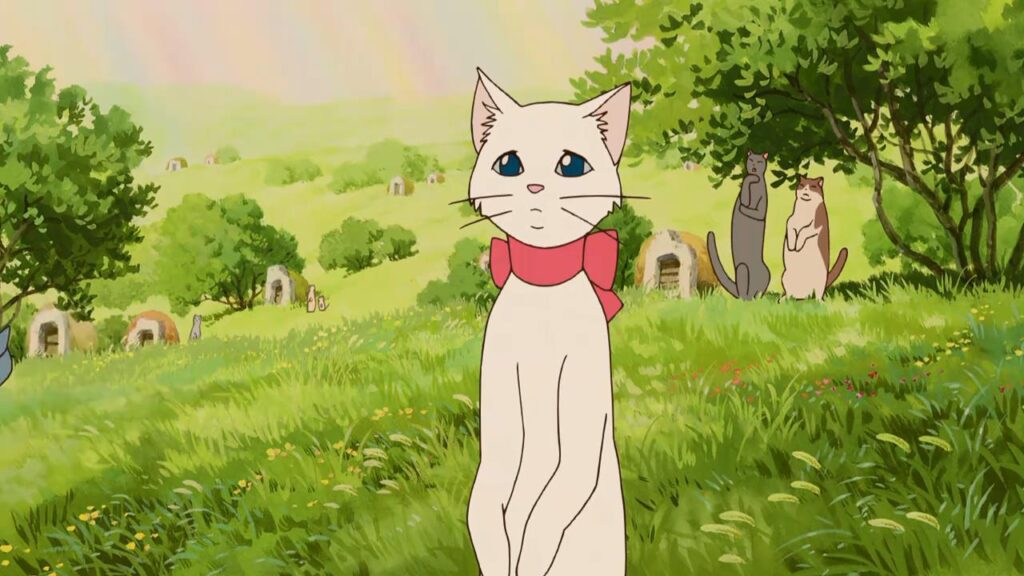
Cat names based on movie titles
- Akira (1988): A groundbreaking anime film set in a dystopian future Tokyo.
- Avalon (2001): A Japanese-Polish science fiction film set in a dystopian future where players risk their lives in a virtual reality war game called Avalon.
- Hana-bi (1997): Directed by Takeshi Kitano, Hana-bi is a crime-drama and meditation on life and death.
- Himizu (2011): A dark drama following two teenagers in post-tsunami Japan, directed by Sion Sono.
- Ichi the Killer (2001): This cult classic from Takashi Miike is an extreme crime-horror film revolving around an enforcer’s pursuit of a mysterious and psychopathic assassin named Ichi.
- Ikiru (1952): Directed by Akira Kurosawa, Ikiru tells the story of a dying man’s quest for meaning.
- Ju-On (2002): One of Japan’s most famous haunted house movies, directed by Takashi Shimizu.
- Kagemusha (1980): A historical epic about a doppelgänger, directed by Akira Kurosawa.
- Kairo (2001): Kiyoshi Kurosawa updates the ghost story for the computer age, and then gives it an apocalyptic twist in a terrifying modern classic.
- Kikujiro (1999): Kikujiro is a gruff and unconventional man who becomes the travel companion of a young boy named Masao on a journey to find Masao’s mother.
- Kuroneko (1968): In feudal Japan, a mother and daughter return as shape-shifting feline spirits (“kuroneko” is Japanese for “black cat”) to get rid of every samurai they meet.
- Lady Snowblood (1973): Lady Snowblood is a swordswoman seeking vengeance for the destruction of her family. Trained from a young age for this purpose, she navigates a tale of revenge set in Meiji-era Japan.
- Marebito (2004): The story follows a videographer who becomes obsessed with fear and the concept of life after encountering mysterious and unsettling phenomena in the Tokyo subway system, eventually leading him to discover a hidden underworld.
- Nana (2005): A romantic drama directed by Kentarô Ôtani, based on the manga of the same name.
- Onibaba (1964): A Japanese horror film directed by Kaneto Shindo, unfolding a tale of survival and desperation as two women living in war-torn medieval Japan resort to sinister means to stay alive and fend off samurai deserters.
- Rashomon (1950): Directed by Akira Kurosawa in 1950, Rashomon is a classic that explores the subjectivity of truth by presenting conflicting accounts of a crime through different perspectives.
- Ringu (1998): A Japanese horror film directed by Hideo Nakata, telling the story of a cursed videotape that causes the viewer to receive a phone call with a mysterious voice warning of impending death seven days later.
- Sadako (2019): A collective of individuals must unravel the mystery of halting a newly emerged lethal curse, spreading rapidly after a YouTuber unintentionally captures a vengeful ghost on camera.
- Sanjuro (1962): Another Kurosawa film, featuring the character Sanjuro, a wandering samurai.
- Sonatine (1993): In Takeshi Kitano’s breakthrough film, the cult actor-director plays a yakuza enforcer sent by his Tokyo boss to Okinawa. After an ambush, he and fellow survivors seek refuge at the beach, where they play children’s games.
- Stacy (2001): Set in a world where young girls turn into flesh-eating zombies at the age of 16, it follows a group of “Romero Repeat Kill Troops” tasked with dispatching these undead girls known as “Stacies” in a bizarre and satirical take on the zombie genre.
- Tampopo (1985): A “ramen Western” comedy directed by Juzo Itami.
- Tetsuo: (1989): A surreal and avant-garde cyberpunk film in which a businessman accidentally kills The Metal Fetishist, who gets his revenge by slowly turning the man into a grotesque hybrid of flesh and rusty metal.
- Uzumaki (2000): A surreal horror film directed by Higuchinsky, based on the manga by Junji Ito.
- Yojimbo (1961): Directed by Akira Kurosawa, it follows the story of a masterless samurai who plays rival factions against each other in a small town for his own gain.
Cat names inspired by Japanese literary cats
- Chatora: A cat from Haruki Murakami’s novel Kafka on the Shore.
- Chiro: A cat from Yasunari Kawabata’s novel The Master of Go, symbolizing the protagonist’s attachment to tradition.
- Nana: A cat featured in Natsume Sōseki’s novel I Am a Cat that narrates the story from a feline perspective.
- Nekoko: A cat who plays a significant role in Yasushi Inoue’s novel The Hunting Gun, representing the inner thoughts of the characters.
- Nyanko-sensei: Also known as Madara, this fat, round cat is a central character in Yuki Midorikawa’s manga and anime series Natsume’s Book of Friends.
- Rika-chan: A mischievous cat that appears in the novel The Guest Cat by Takashi Hiraide, bringing change to a couple’s life.
- Tama: A cat mentioned in the story The House of Fallen Persimmons by Banana Yoshimoto, reflecting the theme of loss and change.
- Torakichi: A stray cat featured in the novel The Cat by Kanoko Okamoto, which explores the complex relationships between humans and cats.
Names for male cats inspired by famous Japanese musicians, actors, and film directors
-
Abe, Hiroshi: Versatile actor known for Still Walking and Thermae Romae.
-
Camui, Gackt: Charismatic singer-actor featured in Moon Child and solo projects.
-
DAOKO: J-pop and electro-pop artist with a distinct vocal style.
-
Hayashi, Yoshiki: X Japan’s co-founder blending rock with classical flair.
-
Hoshino, Gen: Singer-actor with hits and roles in The Full-Time Wife Escapist.
-
Iwai, Shunji: Director known for poetic films like Love Letter.
-
Kawasaki, Haruomi (Hosono): Yellow Magic Orchestra pioneer in ambient and electronic music.
-
Kimura, Takuya: Actor-singer beloved for dramas like Hero.
-
Kitano, Takeshi: Director and performer blending violence and deadpan humor in Hana-bi.
-
Kon, Satoshi: Visionary anime director of Perfect Blue and Paprika.
-
Kurosawa, Akira: Legendary filmmaker behind Seven Samurai and Rashomon.
-
Kurosawa, Kiyoshi: Psychological horror auteur of Cure and Pulse.
-
Kyo: Intense metal vocalist fronting Dir En Grey.
-
Mifune, Toshiro: Iconic actor often seen in Kurosawa’s samurai epics.
-
MIYAVI: Genre-defying guitarist mixing rock and electronic sounds.
-
Murakami, Haruki: Bestselling author of surreal novels like Norwegian Wood.
-
Miyazaki, Hayao: Studio Ghibli co-founder and creator of Spirited Away.
-
Nakata, Hideo: Director who reshaped horror with Ringu.
-
Ogata, Issey: Acclaimed actor in The Sun and Silence.
-
Sakamoto, Ryuichi: Composer blending ambient and classical, scored The Last Emperor.
-
Shibasaki, Ko: Actress-singer who starred in Battle Royale.
-
Sono, Sion: Provocative director of films like Love Exposure.
-
Tomokawa, Kazuki: Intense folk singer with avant-garde roots.
-
Tsukamoto, Shinya: Cult director of cyberpunk classic Tetsuo: The Iron Man.
-
Yakusho, Koji: Veteran actor from Shall We Dance? and Babel.
Names for female cats inspired by famous Japanese singers, actresses, and film directors
-
Amuro, Namie: J-pop icon known for Can You Celebrate? and her long reign as the “Queen of Japanese Pop.”
-
Hikaru, Utada: Hugely influential singer-songwriter behind First Love and Automatic.
-
Ike, Reiko: 1970s actress famous for pinky violence films like Sex and Fury.
-
Kuraki, Mai: Pop and R&B singer with hits like Winter Bells and Secret of My Heart.
-
Mizuno, Yui: Singer and former BABYMETAL member, known as “Yuimetal.”
-
Nishikawa, Miwa: Director of character-driven dramas like Dear Doctor.
-
Nomiya, Maki: Lead singer of Pizzicato Five and face of Shibuya-kei.
-
O, Mipo: Filmmaker exploring human complexity in The Light Shines Only There.
-
Ono, Yoko: Avant-garde artist and musician, known for her work with John Lennon.
-
Pamyu Pamyu, Kyary: J-pop star with surreal hits like PonPonPon and Fashion Monster.
-
Ringo, Shiina: Genre-blending musician behind Stem and Kabukicho no Joou.
-
Shikata, Akiko: Singer-songwriter with fantasy-inspired songs like Katayoku no Tori.
-
Takamine, Hideko: Legendary actress in classics like When a Woman Ascends the Stairs.
-
Umeki, Miyoshi: First Asian woman to win an Oscar, for Sayonara.
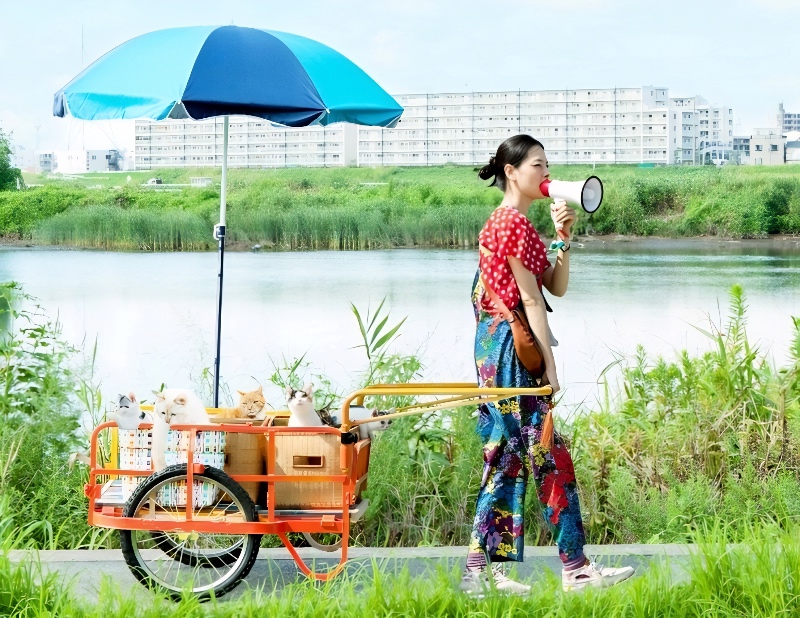
Japanese cat names based on cities and locations
-
Aomori: Tohoku city famous for its Nebuta Festival and apple production.
-
Aoshima: Tiny Ehime island nicknamed “Cat Island” for its feline residents and quiet shrine.
-
Asakusa: Historic Tokyo district centered around Senso-ji, the city’s oldest temple.
-
Hakone: Mountain town offering hot springs, lake cruises, and views of Mt. Fuji.
-
Himeji: Home to Japan’s most iconic feudal castle and its iconic black cat café. It’s also a UNESCO World Heritage Site.
-
Hiroshima: Site of the first atomic bombing; now a city of peace memorials and resilience.
-
Kamakura: Coastal retreat south of Tokyo, known for its Great Buddha and surfing beaches.
-
Kanazawa: Historic city famed for gold leaf, samurai districts, and Kenroku-en Garden.
-
Kawasaki: Industrial hub with a thriving cultural scene and quirky museums.
-
Kobe: Port city noted for its cosmopolitan feel, Kobe beef, and hillside views.
-
Kyoto: Former imperial capital packed with temples, gardens, and geisha districts.
-
Matsumoto: Alpine gateway known for its striking black castle and mountain access.
-
Miyako: Scenic Iwate town with dramatic coastlines and tsunami memorials.
-
Miyazaki: Southern Kyushu city offering beaches, palm trees, and ancient myths.
-
Nagasaki: Harbor city shaped by global trade and atomic tragedy, rich in Christian heritage.
-
Nara: Ancient capital home to sacred deer, Todai-ji Temple, and giant Buddha statue.
-
Nikko: Mountain town famous for ornate shrines and waterfalls within a national park.
-
Okayama: Garden-filled city known for Korakuen and the “Momotaro” folk tale.
-
Okinawa: Island chain with distinct culture, WWII history, and coral-fringed beaches.
-
Sapporo: Hokkaido capital known for its snow festival, ramen, and beer.
-
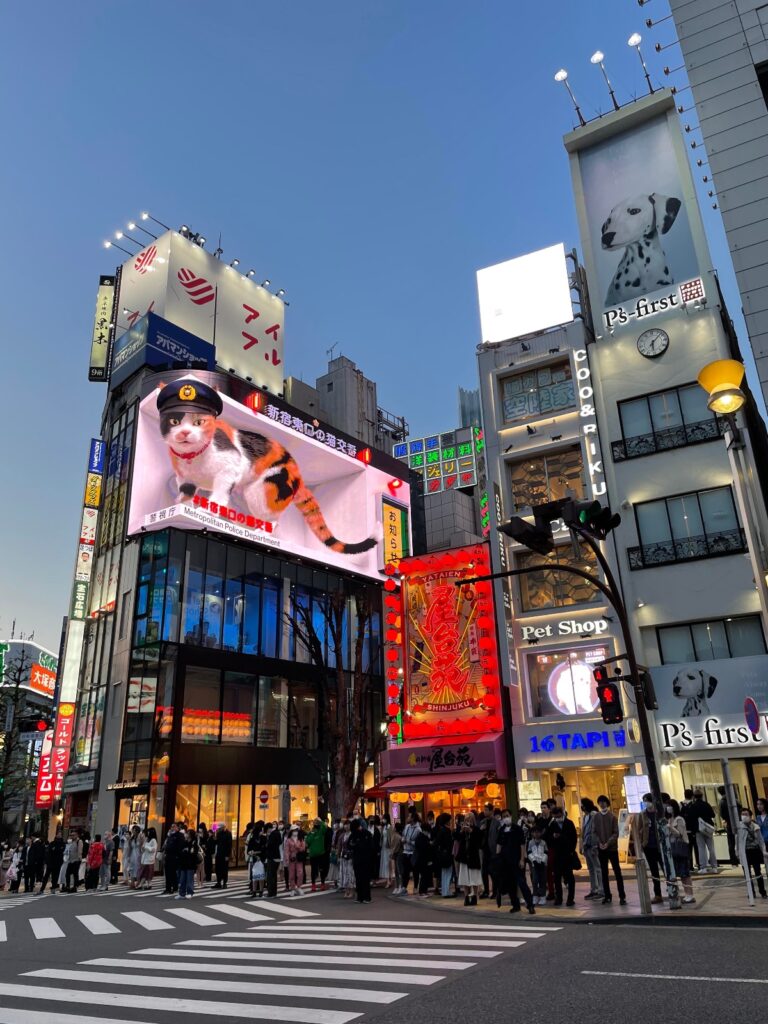
Shinjuku: Tokyo’s nightlife and business district, dense with skyscrapers and neon.
-
Tokyo: Japan’s sprawling capital—a global center of culture, commerce, and innovation.
-
Yokohama: Modern port city with bayfront views, Chinatown, and a cosmopolitan vibe.
Cat names based on Japanese food
- Amazake: A sweet, low-alcohol rice drink.
- Aojiru: A green vegetable juice often made from kale or barley grass.
- Asahi: A a major Japanese beer brand.
- Calpis: A sweet and tangy fermented milk beverage.
- Dango: Sweet rice dumplings often skewered and served with a sweet sauce.
- Dorayaki: A sweet snack consisting of two pancake-like cakes filled with sweet red bean paste.
- Gyoza: Japanese dumplings typically filled with ground meat and vegetables.
- Happoshu: A type of low-malt beer with reduced malt content.
- Hojicha: A roasted green tea with a nutty flavor.
- Katsu: A breaded and deep-fried cutlet, often made with pork or chicken.
- Kirin: Various beer products, with Kirin Ichiban being one of the well-known ones.
- Kurumi: Walnut.
- Matcha: A powdered green tea often used in Japanese tea ceremonies.
- Midorii: A bright green, melon-flavored soda.
- Mikan: The Japanese mandarin orange.
- Miso: A savory fermented soybean paste used in Japanese cuisine.
- Mochi; A chewy rice cake often served sweet or savory.
- Nattō: Fermented soybeans known for their unique flavor and stickiness.
- Nori: The edible seaweed used to wrap sushi rolls.
- Ramune: A carbonated soft drink with a unique marble-sealed bottle.
- Saké: A traditional Japanese rice wine.
- Sapporo: A reknowned Japanese beer brand.
- Sashimi: Sliced raw fish or seafood, a staple in Japanese cuisine.
- Sencha: A common Japanese green tea with a fresh, grassy flavor.
- Shochu: A distilled spirit typically made from barley, sweet potatoes, or rice.
- Soba: Thin buckwheat noodles often served cold with dipping sauce.
- Soba Cha: A tea made from roasted buckwheat kernels.
- Sudachi: A small, tart citrus fruit often used as a garnish in drinks.
- Sushi: A popular dish consisting of vinegared rice, seafood, and vegetables.
- Tempura: Deep-fried seafood or vegetables in a light, crispy batter.
- Tofu: Soft soybean curd used in various dishes.
- Udon: Thick wheat noodles typically served in a hot broth.
- Umeshu: A sweet plum wine made from Japanese plums.
- Wasabi: The spicy green paste served with sushi and sashimi.
- Yakitori: Skewered and grilled chicken, usually with a savory sauce.
- Yamazaki: One of the best-known Japanese whiskies.
- Yamecha: A high-quality green tea from the Yame region of Japan.
- Yebisu: A popular brand of Japanese beer.
- Yuzu: A fragrant citrus fruit used to make beverages and flavor dishes.
Japanese names for male cats with meanings
- Akihiro: “Great brightness” or “wisdom.”
- Akira: “Bright” or “clear.”
- Daiki: “Great radiance” or “brightness.”
- Hiroshi: Composed of two kanji characters: “Hiro” (寛), which means “generous” or “tolerant,” and “shi” (士), which means “samurai” or “gentleman.”
- Haru: “Spring.”
- Hayato: “Falcon person.”
- Hikaru: “Light.”
- Kaiju: “Strange beast” or “monster.”
- Kasai: “Fire.”
- Kaze: “Wind.”
- Kimono: A traditional Japanese garment.
- Kotaro: “Small son” or “son with small hands.”
- Kumo: “Cloud.”
- Makoto: “Sincerity,” “truth,” or “honesty.”
- Mizu: “Water.”
- Riku: “Land” or “earth.”
- Ren: “Lotus.”
- Ryo: “Cool” or “refreshing.”
- Sakana: “Fish.”
- Sora: “Sky.”
- Takeshi: “Warrior.”
- Taro: “First-born” or “eldest son.”
- Wanko: A Japanese term that colloquially refers to a small dog, typically a puppy. It can be playfully used for a cat’s name.
- Yuki: “Snow.”
- Yuto: “Perpetual” or “eternal.”
- Yoshio: “Fortunate” and “heroic.”
Japanese names for female cats with meanings
- Aoi: “Hollyhock.”
- Chinatsu: “A thousand summers.”
- Choco: “Chocolate.”
- Hana: “Flower.”
- Hime: “Princess.”
- Hinata: “Sunny place” or “sunny side.”
- Hoshi: “Star.”
- Kaori: “Fragrance.”
- Kawaii: “Cute” or “adorable.”
- Kiki: “Kiki” is a Japanese name that doesn’t have a specific meaning in the language itself. However, it is a popular and cute name for pets in Japan.
- Kotone: “Harp sound.”
- Momo: “Peach.”
- Nana: Meaning “seven,” Nana is a common term used to affectionately refer to one’s grandmother in Japanese.
- Nene: “Nene” is a Japanese name that doesn’t have a specific meaning in the language itself. It is a popular and charming name for girls in Japan.
- Sakura: “Cherry blossom.”
- Sora: “Sky.”
- Suki: “Love.”
- Tama: “Ball” or “jewel.”
- Yuki: “Snow.”
- Yume: “Dream.”
Final thoughts
Did you find the perfect moniker for your new cat in this list of more than 200 Japanese cat names? If so, let us know your choice in the comments.
Still looking for inspiration? Check out our other lists of cat names from across the globe, including from such countries as Romania, the Netherlands, Greece, Spain, Colombia, Mexico, Ireland, Macedonia, and more.

P.S. Do you want to see the latest feline short film Avalon? We are giving Traveling Cats readers free and exclusive access to the film, which is currently a finalist for the Vimeo Audience Award in the 2016 Sundance Short Film Competition.
Avalon tells the story of an elderly man, Maurice, who visits his demented wife in the hospital. A shared lunch is the only thing they have left, but his wife’s mind drifts off to the ghost of her deceased cat, Avalon, whom she sees walking around in her room.
Pin this list of Japanese cat names!


