Last Updated on 6 June 2025 by Vanessa
If you ever find yourself wandering the narrow streets of Damascus’ Old City, take a turn into the quiet courtyard of Al Azem Palace. Don’t be surprised if your first glimpse of the palace includes a flick of a tail disappearing through an archway.
Cats are everywhere here, but not in a way that demands attention. One’s dozing in a patch of sun on the edge of the fountain. Another slips between columns. They move through the palace like they’ve always been here—long before tourists showed up with cameras and questions.
Al Azem was built in the 1700s for an Ottoman governor, with carved stone, painted ceilings, and quiet inner courtyards meant to keep the chaos of the city out. These cats seem to understand that. They’re not strays. They’re part of the scene—like the sound of distant call to prayer or the shadows that stretch across the tiled floors in late afternoon.
No plaques mention them. But if you spend enough time here, you’ll realize the palace wouldn’t feel quite as alive without them.
Let’s explore the Al Azem Palace these cats call home

A short history of Al Azem Palace
Al Azem Palace, also known as Al-Azm Palace or the Palace of As’ad Pasha al-Azm, sits in the heart of Damascus, Syria. It’s one of the city’s most striking examples of 18th-century architecture and reflects the region’s rich cultural heritage.
The palace was built in 1750, during the height of Ottoman rule. Syrian architect Murtada al-Azm led the project. He designed it as a grand residence for his relative, As’ad Pasha al-Azm, the Ottoman governor of Damascus.
As’ad Pasha wanted more than just a home. He wanted a symbol of power, taste, and local tradition. Murtada al-Azm brought that vision to life, blending Ottoman and Arab styles to create a space that reflected both authority and elegance. The result was a palace that captured the spirit of Damascus in its golden age.
📍 Read next: Meet the friendly cats of the Málaga Roman Theater


Architecture
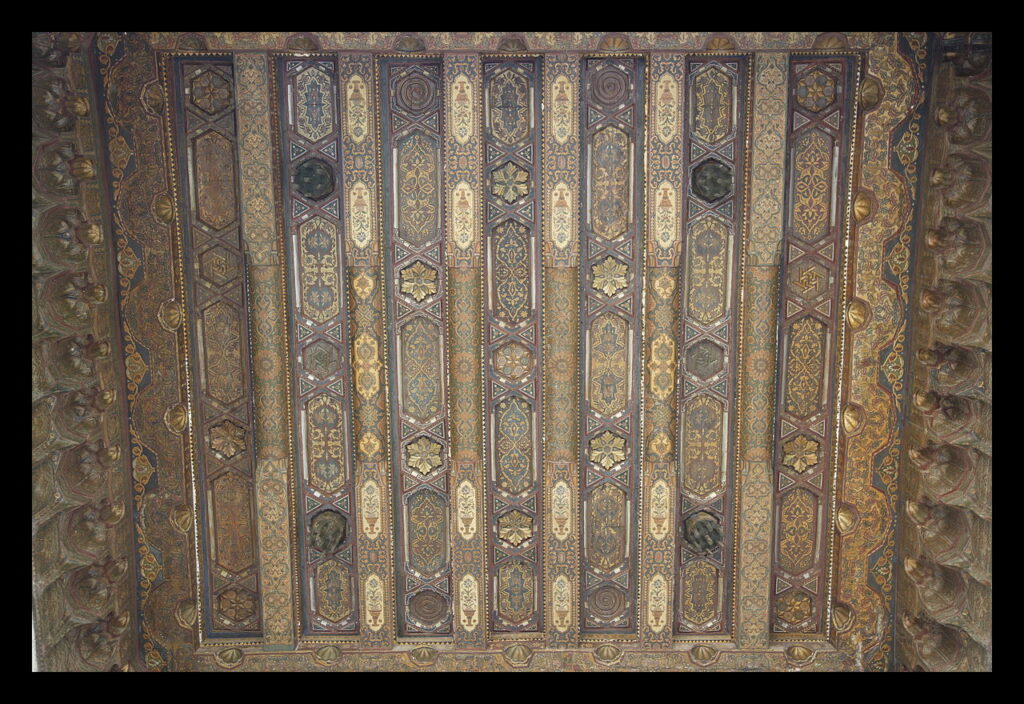
The architecture of Al Azem Palace immediately draws you in. Carved stonework, painted ceilings, and elegant archways fill the space with detail and character. Every element feels carefully planned. Symmetry shapes the layout, giving the palace a sense of balance and grandeur.
Inside, the rooms are richly decorated, reflecting the high status of the people who once lived here. Everywhere you look, you see a blend of Ottoman and Arab design, a reminder of Damascus’s layered cultural history.
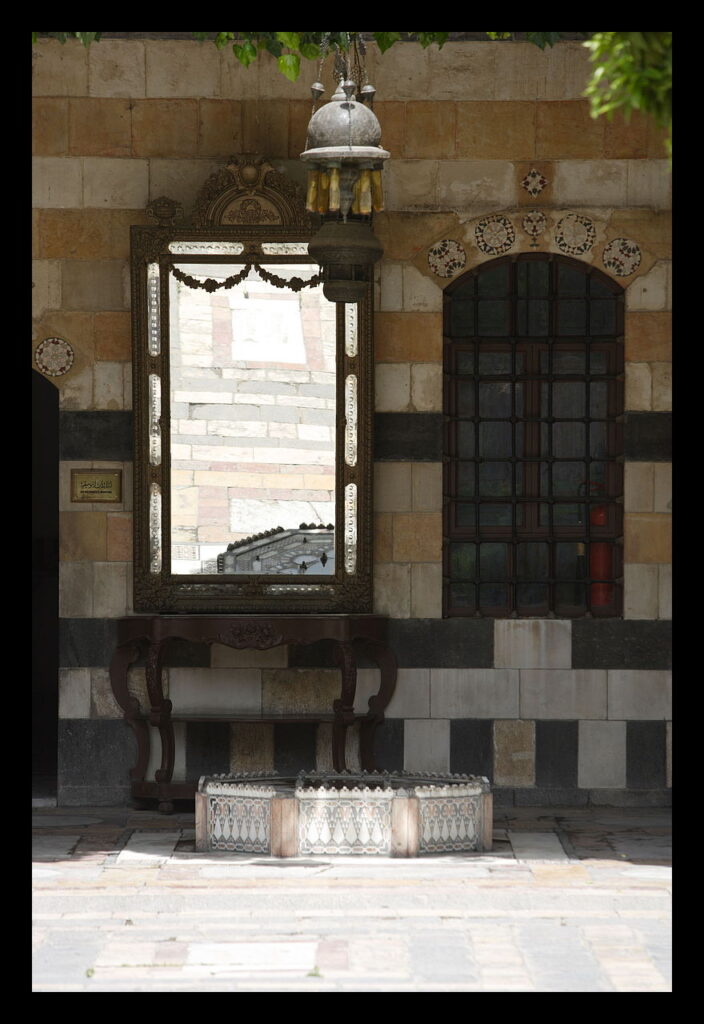
One of the palace’s most striking features is its courtyards. Surrounded by tall walls, these quiet spaces feel like private gardens tucked away from the busy city. Green plants, colorful flowers, and the gentle sound of water flowing from marble fountains create a calm, almost timeless atmosphere. More than just beautiful, these courtyards were central to daily life—places where people gathered, talked, and escaped the heat of the day.
📍 Read next: Visiting the Venetian Fortezza Castle of Rethymnon and its cats
The Museum of Arts and Popular Traditions
These days, Al Azem Palace has adapted to the changing times and has taken on a new role.
In the second half of the 20th century, officials transformed the palace into the Museum of Arts and Popular Traditions. This change strengthened its place as a key cultural and historical site.
Inside the palace, the museum displays a wide range of traditional crafts, textiles, jewelry, and pottery. Visitors can explore the artistic heritage of Damascus and discover the creativity and skills of past generations. The exhibits feature delicate handwoven fabrics, finely carved wooden pieces, and stunning jewelry—each telling a story about the rich culture of Syria.
📍 Read next: 15 cat museums every feline fan needs to visit


Cats of Al Azem Palace
It’s actually quite common to see stray cats around historical sites in Damascus and throughout Syria—not only in the Al Azem Palace. Many old buildings—like mosques and markets—offer plenty of sheltered spots, such as courtyards and hidden nooks, where cats can live safely away from danger.
In fact, cats hold a special place in the culture across many Middle Eastern countries, including Egypt, Lebanon, and Jordan. They are often seen as clean and protective animals that help control rodents, so people tend to tolerate and even welcome them near homes and public places.
Local communities usually take good care of these cats. It’s common to see people leaving food and water for them, especially around busy historical or tourist areas where the cats have become familiar faces. Some volunteers and groups also provide extra care when possible.
That said, life isn’t always easy for these strays. They face risks like illness, harsh weather, and traffic. However, compared to stray cats in many other parts of the world, cats in the Al Azem Palace of Damascus often live relatively well thanks to the protection of the buildings and the kindness of the locals.
Still, ongoing challenges like economic hardship and political instability in Syria can affect how well the cats are cared for. The level of care varies depending on the area, but overall, these cats remain a beloved and welcomed part of the cultural landscape.
📍 Read next: 30 UNESCO World Heritage Sites where cats reign supreme

Visiting Al Azem Palace: practical information
Accessibility
By car: The palace is located in the heart of Damascus and is easily accessible by car. However, traffic in the city can get congested, especially during rush hours. Parking near the palace is often limited because of its central location and importance. To avoid trouble, try to arrive early or use any nearby designated parking spots.
On foot: You can also reach Al Azem Palace on foot, especially if you’re exploring the city center or the nearby Old City of Damascus. If you’re staying close or visiting other landmarks nearby, walking to the palace is the best option because it lets you soak in the local atmosphere and enjoy the surroundings before you get to the palace entrance.


Opening hours
El-Azem Palace welcomes visitors every day of the week (including weekends) from 09:00 am to 05;00 pm.


Where to stay
- Four Seasons Hotel Damascus: A luxurious five-star hotel offering top-notch amenities, elegant rooms, and stunning views of Damascus.
- Beit Al Mamlouka Hotel: A beautifully restored boutique hotel, showcasing traditional Damascene architecture and warm hospitality.
- Semiramis Hotel Damascus: A well-appointed hotel with modern comforts, conveniently located near major attractions in Damascus.
- Talisman Hotel De Charme: A boutique hotel with tastefully decorated rooms and a serene courtyard.
- Beit Zaman Hotel & Guesthouse: A historic guesthouse that offers a blend of authenticity and comfort.
- Blue Tower Hotel Damascus: A contemporary hotel providing a comfortable stay and excellent service for business and leisure travelers alike.
- Al Majed Hotel: A budget-friendly option with clean rooms and a central location, perfect for exploring Damascus on a budget.
- Old Vine Hotel: This cozy hotel offers a warm and welcoming atmosphere, making it an ideal base to discover Damascus’ cultural treasures.
- Ebla Cham Palace Hotel: A well-established hotel with a range of amenities, including restaurants, a pool, and easy access to the city’s attractions.
- Orient Palace Hotel: A modern hotel, providing all the essentials for a comfortable visit to Damascus.
📍 Read next: Paspatur Market in old town Fethiye – These cat photos will make you want to go shopping right meow!

Conclusion
Did you enjoy this article on the Al Azem Palace of Damascus and its feline inhabitants? If so, why not share it with your friends on social media?
If this article sparked your wanderlust, please be aware that while Damascus has areas where daily life is returning to normal, travelers should still exercise extreme caution. The U.S. Department of State maintains a Level 4: Do Not Travel advisory for Syria, citing risks such as terrorism, civil unrest, kidnapping, armed conflict, and unjust detention. Similarly, Canada‘s travel advisory also advises against all travel to Syria.
Photos by Sobi

P.S. Mark your calendars for an exclusive screening of the short film inspired by my story Next to Her. It will be showcased as part of the anthology feature film, Follow III: Love, Life, Ghent.
Join us on November 29, 2015, at the prestigious Sphinx Cinema in Ghent for an unforgettable experience. Don’t miss out on this extraordinary event – reserve your seat now!

Pin this article about the cats of Al-Azem Palace in Damascus!