Last Updated on 20 January 2026 by Vanessa
Are you looking for things to do in Banjul, The Gambia’s largest city?
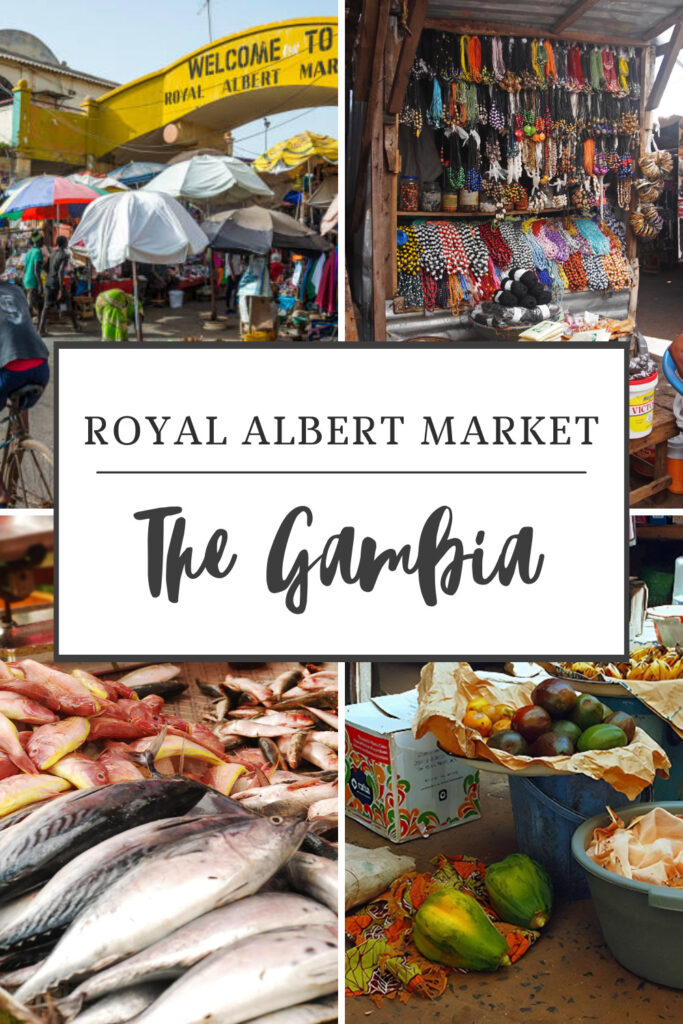
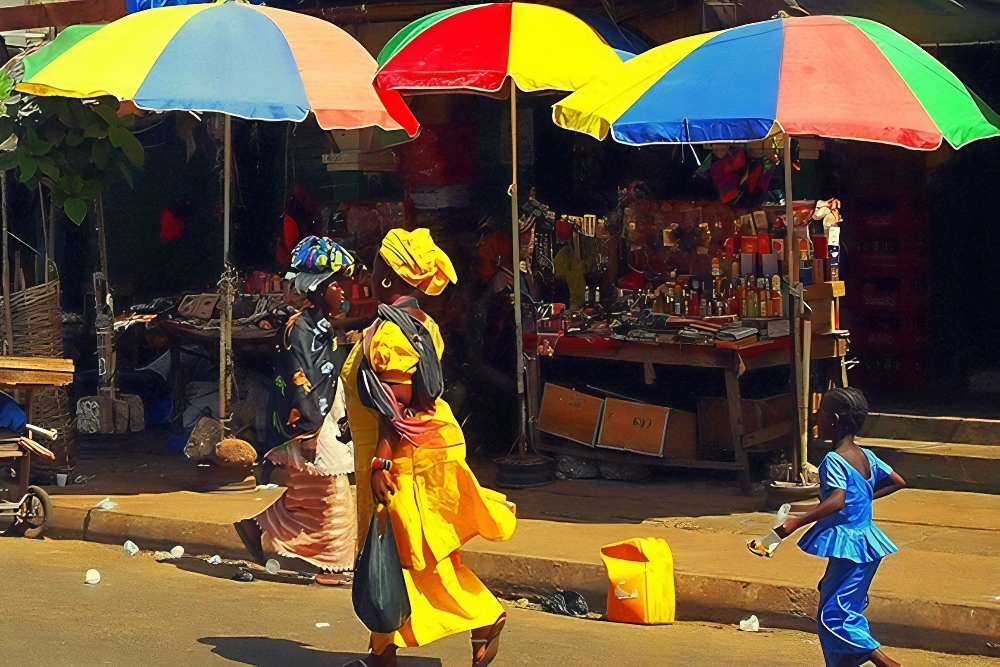
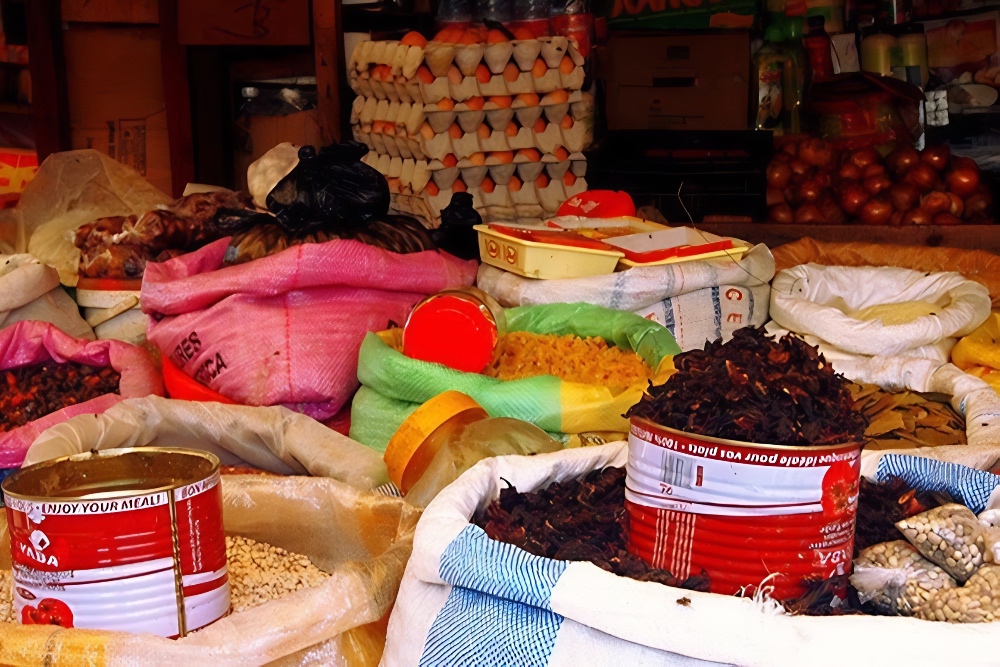
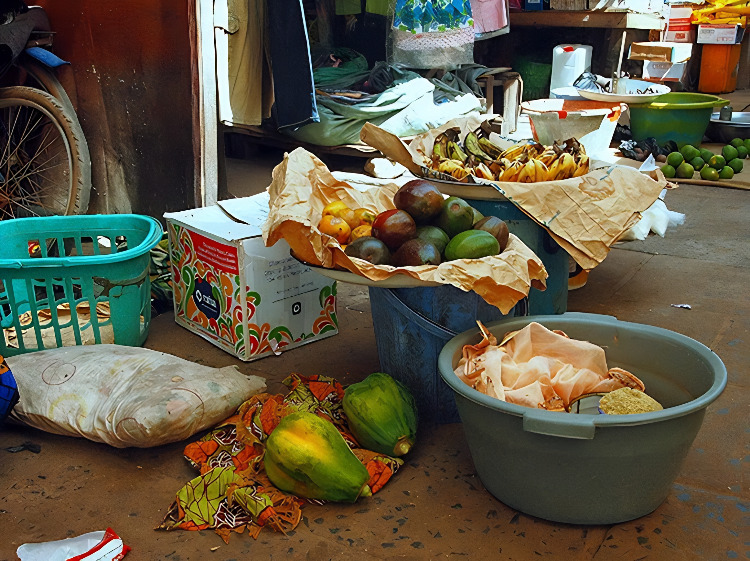
The Albert Market is one of the most well-known and bustling markets in Banjul, the capital city. It is such a colorful place to visit. The market sells mainly fresh fruit, vegetables, meat, fish, and dried herbs. But it is also a good place to buy traditional Gambian crafts (such as wooden carvings, masks, and beadwork) as well as a range of clothing items and textiles, especially traditional African clothing.
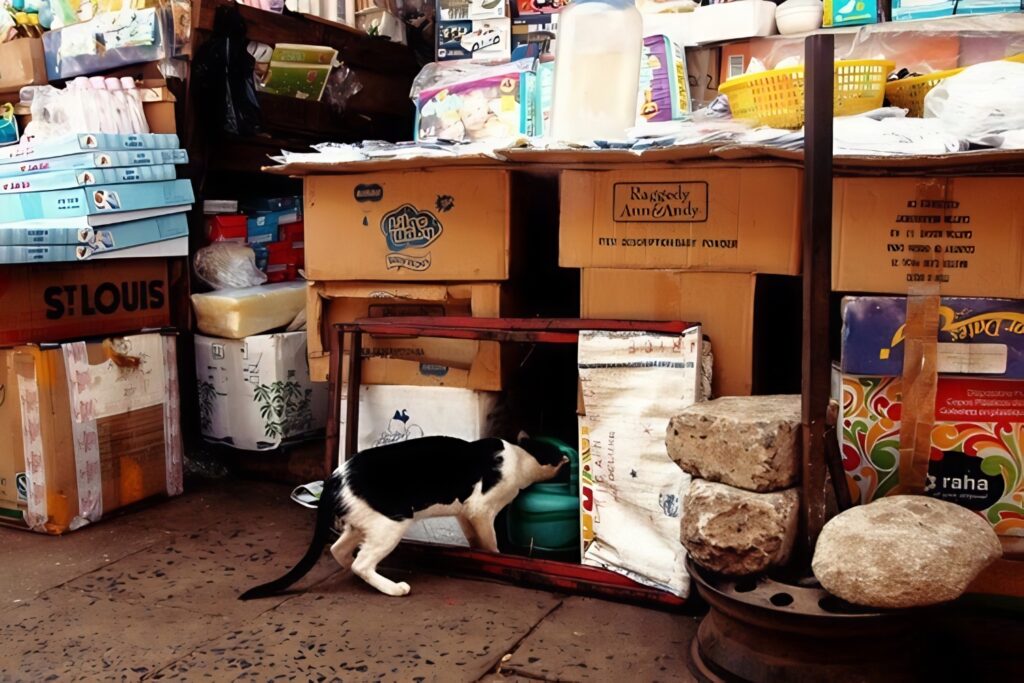
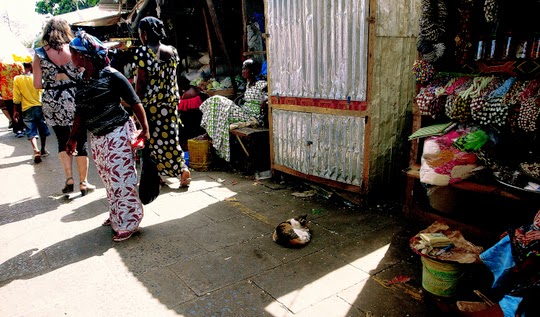
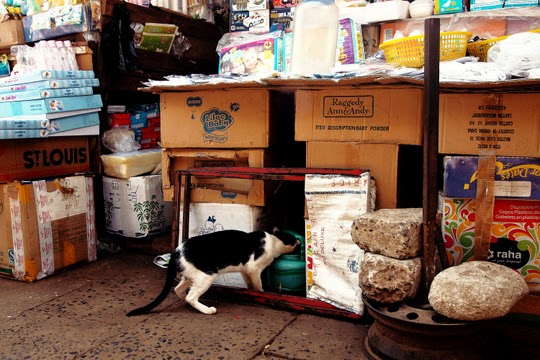
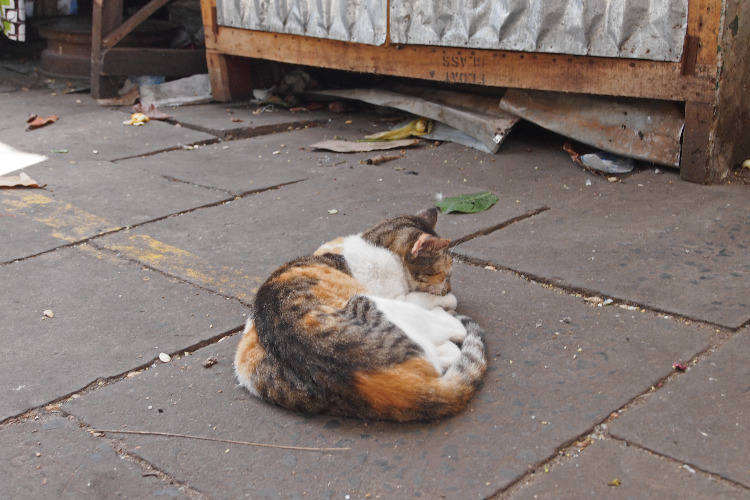
You will also notice many cats at Albert Market, many waiting for leftovers from fish and food vendors.
Here’s everything you need to know about Albert Market in Banjul, based on my experiences that during my visit to The Gambia earlier this month.
Welcome to the Royal Albert Market of Banjul
History of Albert Market in The Gambia
Albert Market has a rich history intertwined with The Gambia’s colonial past. This small West African country was a British colony from the late 19th century until it gained independence in 1965. During the colonial era, European powers established trading posts and administrative centers in various parts of Africa, including The Gambia.
Albert Market played a crucial role in the commercial life of Banjul and The Gambia as a whole. It served as a focal point for trade, commerce, and economic activity in the region. As the primary market in the capital city of Banjul, it attracted both local traders and merchants from neighboring areas.
The market was not only a place for buying and selling goods but also a hub for cultural exchange. It brought together people from diverse backgrounds, including the local Gambian population, traders from other parts of West Africa, and European colonial officials and settlers. This cultural exchange influenced the goods available at the market and contributed to its vibrant atmosphere.
The market was originally known as the Colonial Engineer’s Yard and later also as the Liberated African Yard. During British colonial rule, authorities renamed it Albert Market in honor of Prince Albert of Saxe-Coburg and Gotha, the husband of Queen Victoria, and Prince Consort from 1840 until his death in 1861. The name reflects a wider colonial practice of naming public places after members of the British royal family.
Throughout its history, Albert Market has undergone transformations to adapt to changing economic and social conditions. Over the years, it expanded and evolved to accommodate the growing demands of the population and changing consumer preferences.
After gaining independence in 1965, The Gambia continued to develop as a sovereign nation. Albert Market remained a vital commercial center, serving as a place where both traditional Gambian goods and international products were traded.
Today, Albert Market remains an essential part of Banjul’s economic and cultural landscape. It attracts not only local shoppers but also tourists eager to explore its colorful, smelly stalls and experience the rich tapestry of Gambian life.
While the colonial era has long passed, the market continues to thrive, adapting to modern times while preserving its historical significance.
Read next: Best Places to Stay in The Gambia.
Atmosphere
Albert Market has a lively atmosphere and gives you a chance to experience Gambian culture, meet locals, and enjoy the sights, sounds, and flavors of Banjul.
Nevertheless, a visit to Albert Market does come with a few considerations.
It may not be the most hygienic of markets, with the presence of unrefrigerated fish that can attract a multitude of flies, potentially affecting your confidence in purchasing food there.
It’s also advisable to keep an eye on your belongings. The Gambia is a developing country, and the local population may approach you more closely than you’re accustomed to. You may meet people seeking financial assistance and pulling at your clothing. This phenomenon is not exclusive to Albert Market; it’s happening throughout The Gambia.
However, despite these minor challenges, Albert Market’s authenticity and cultural richness make it a worthwhile destination to add to your Banjul itinerary.
Read next: Kembujeh: Your Gateway Into the Makasutu Cultural Forest of The Gambia.
Tips for visiting
Best time to visit
It’s a good idea to visit Albert Market in the morning when the market is at its liveliest and the produce is still fresh.
Currency exchange
Exchange some currency to Gambian Dalasi before your visit. This may be more convenient than trying to exchange money at the market.
Bargaining
Bargaining is a common practice in Albert Market. Don’t be afraid to negotiate prices with vendors, but do so politely and with a friendly attitude. Always have small denominations of Gambian Dalasi (GMD) on hand for transactions.
Dress code
Dress modestly out of respect for local customs and Islamic traditions, as a significant portion of the population is Muslim.
While The Gambia is relatively tolerant of various clothing styles, most people do appreciate it when you cover your shoulders and knees. Women can wear longer skirts or dresses and tops with sleeves. Men can wear trousers or knee-length shorts.
Hygiene
I’ve already mentioned concerns about hygiene, particularly around food areas. You may want to avoid uncooked or perishable items.
Don’t photograph the cats
Always ask permission before taking photos of vendors or their goods. Some people do not like being photographed.
The vendors didn’t want me to photograph the cats, for example. Several of them yelled, and one woman even threw lettuce at my head.
Explore beyond the market
After visiting Albert Market, consider exploring other nearby attractions in Banjul, such as the Arch 22 monument or the National Museum, to make the most of your visit to the capital city.
Read next: Juffureh, The Gambia: Tracing Back the Roots of Kunta Kinte.
Is Banjul dangerous for tourists?
The Gambia is generally a safe place for tourists. Locals are friendly and welcoming, and serious crime against visitors is uncommon.
Still, use common sense. Watch your belongings, avoid quiet areas at night, and stay aware of your surroundings. Learning local customs also helps you stay safe and enjoy your visit more.
Read next: Exploring The Coconut Residence in Kerr Sering, The Gambia.
Practical information
Address: FC3H+GJC, Banjul, The Gambia.
Opening hours: During the week, Albert Market opens at 07:00 am and remains active until 07:30 pm at night. On Saturday and Sunday, the market opens at 09:00 am and closes at 05:30 pm.
How to get to Albert Market?
The best way to reach Albert Market is through minibuses (locally known as “gele-gele” or “sept-place”) or shared taxis (usually yellow. Minibuses are a common mode of public transportation in Banjul and are often used for short journeys within the city.
Read next: Things to do in The Gambia: Tanji Fishing Village.
Conclusion: Is Albert Market in Banjul worth visiting?
Yes, Albert Market in The Gambia is definitely worth visiting, especially if you are interested in experiencing the local culture, shopping for traditional crafts and textiles, and enjoying the vibrant atmosphere of a bustling African market.
While it may have some challenges such as hygiene considerations and persistent vendors, the authenticity and cultural richness of Albert Market make it a unique and rewarding destination for travelers.
It’s a place where you can interact with friendly locals, sample Gambian cuisine, and immerse yourself in the sights, sounds, and flavors of Banjul.
Just be prepared for some bargaining, take reasonable precautions, and you’ll likely have a memorable and enriching experience at Albert Market.
Text and photos by Vanessa Morgan.
My trip to The Gambia was sponsored by the Gambia Tourism Board, Bamboo Garden Hotel, and SN Brussels Airlines.