Last Updated on 21 October 2025 by Vanessa
Two of my favorite things to photograph are cemeteries and cats. So when I found out that Campo Verano Cemetery in Rome is home to dozens of cats, I knew I had to visit.
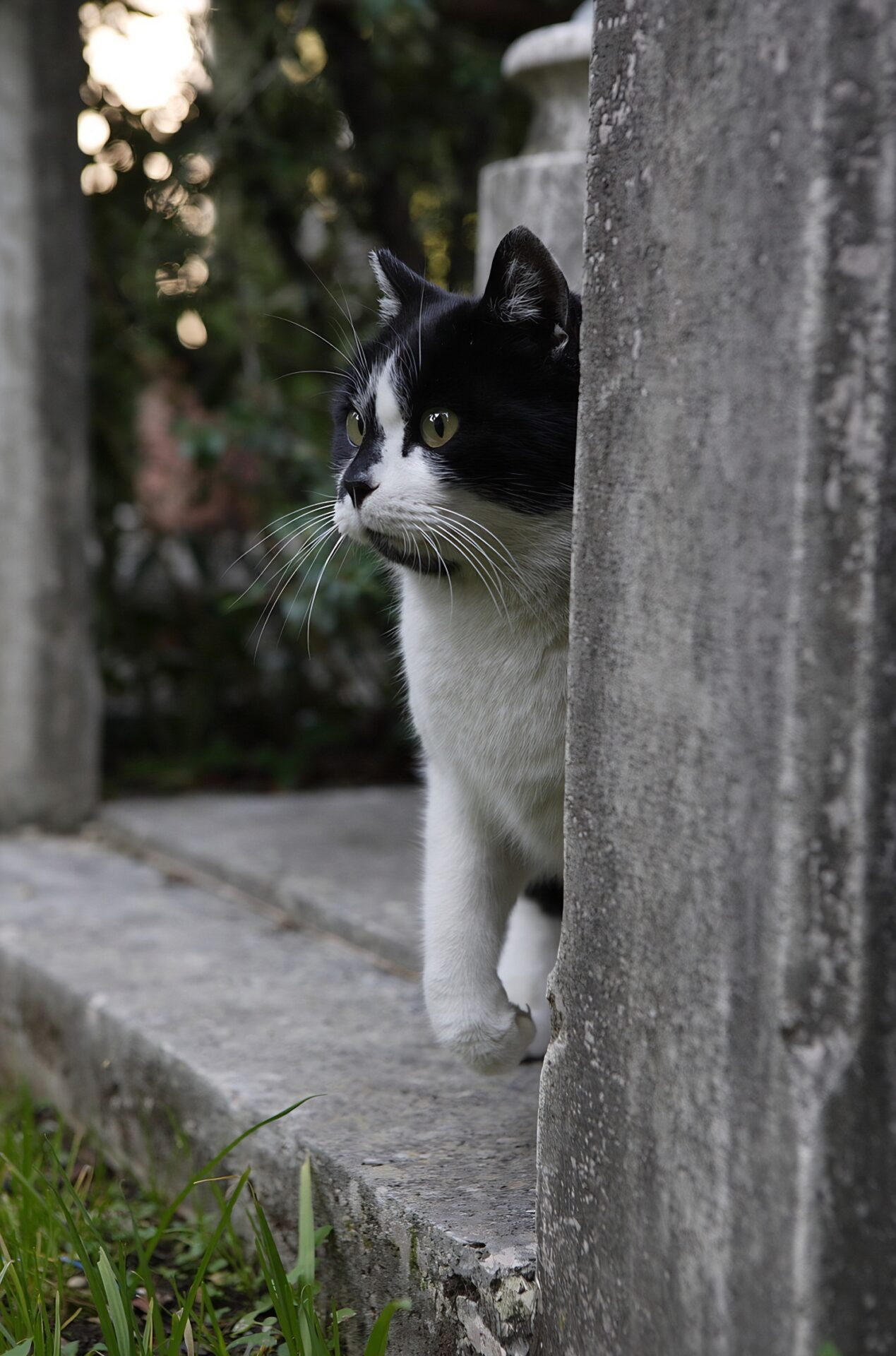
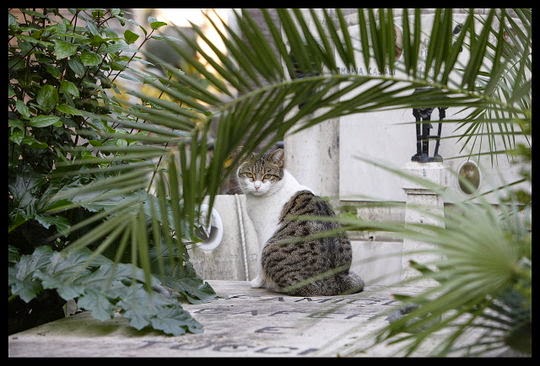
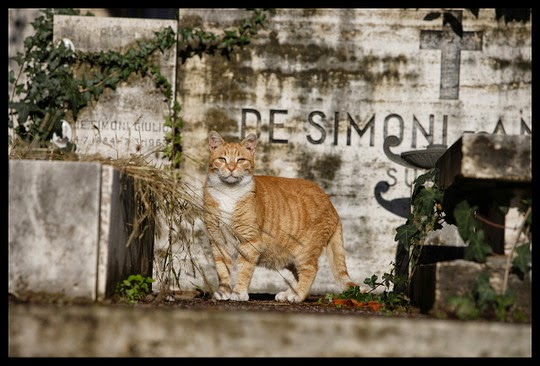
In this historic resting place, cats lounge on marble statues, stroll along quiet pathways, and weave through ivy-covered crypts. Over time, the cemetery has become almost like a cat sanctuary, with the cats adding a touch of life (and mischief!) to the peaceful grounds.
Curious about these cats and the place they call home? Then read on.
Campo Verano Cemetery is Rome’s most unexpected cat sanctuary
A Brief History of Campo Verano Cemetery
The history of Campo Verano Cemetery stretches back more than 200 years. French forces founded it in 1807 because Rome’s old cemeteries were full. They picked a peaceful area just outside the city walls, once known as a summer retreat. That’s where the name “Campo Verano,” or “Summer Field,” comes from.
One of Rome’s largest cemeteries
Campo Verano covers more than 110 acres. It ranks among the largest cemeteries in Rome.
The grounds include three main sections.
- Jewish Cemetery (Cimitero Ebraico) – honors the city’s long Jewish history
- Catholic section (Cimitero del Verano) – holds most of the graves
- World War I memorial (Monumento ai Caduti) – pays tribute to soldiers who gave their lives
Famous graves
Many famous people are buried here. You’ll find graves of composers, poets, popes, and political figures. Composer Giuseppe Verdi, poet Giosuè Carducci, and Popes Pius VIII, Pius IX, and Leo XIII all rest here.
The cemetery’s architecture
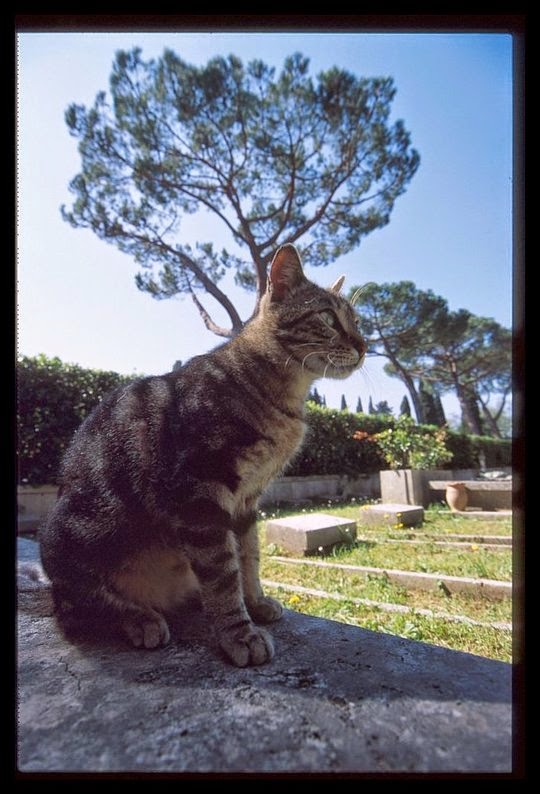
Sculptors and architects filled the space with beauty—grand tombs, marble angels, and detailed carvings. You’ll spot Neoclassical arches, Gothic spires, and Art Nouveau flourishes. These monuments do more than mark a grave. They show what each era valued, believed, and loved.
Expansions and renovations
The cemetery didn’t stay the same. It expanded over time as more people chose it for burial. Bombs during World War II damaged parts of it, but Rome restored the site in the mid-1900s. Campo Verano endured. It still serves the city today.
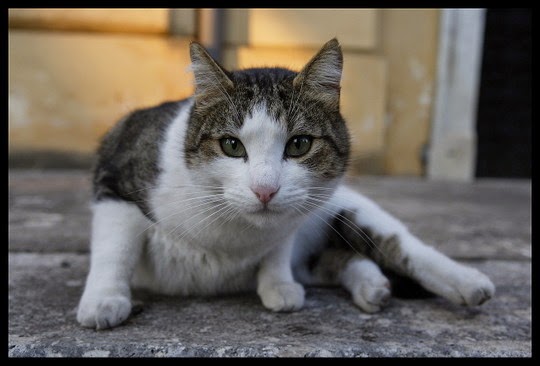
Cats of Campo Verano Cemetery
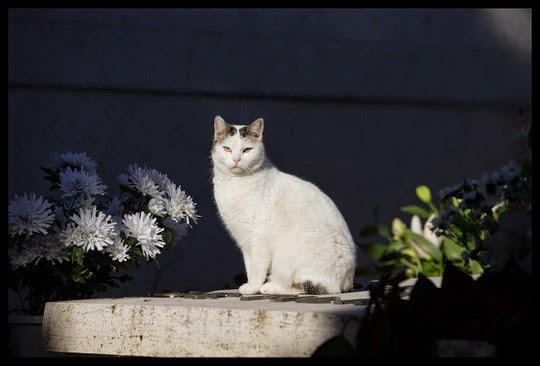
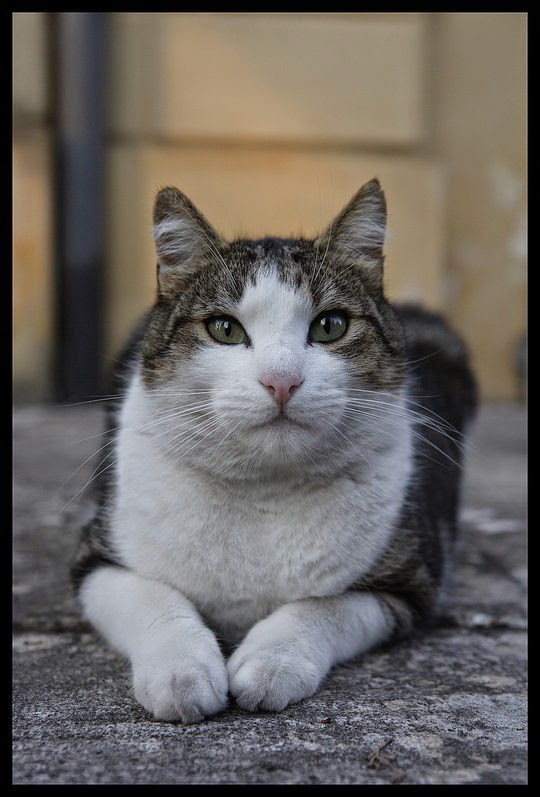
While the Campo Verano Cemetery is primarily known for its historical and cultural significance, it is also famous among cat lovers.
However, these Roman cats didn’t just wander in by chance. Many believe people brought them in years ago to keep the rat population under control.
But the cats stayed.
Over time, they formed a quiet bond with the caretakers and visitors, and they’ve become a beloved part of the cemetery’s charm.
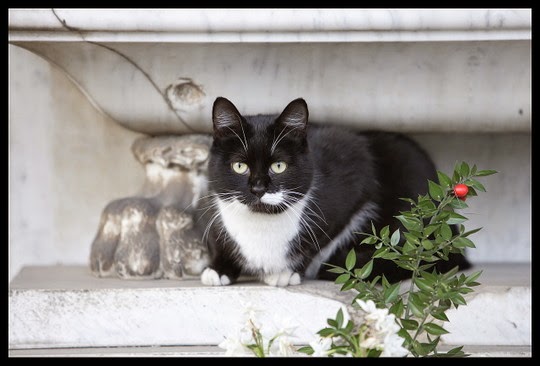
Cat-spotting adventure
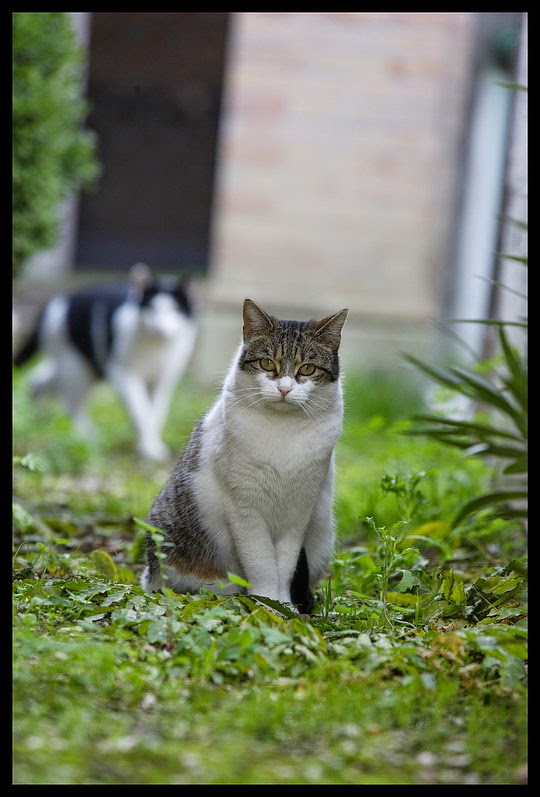
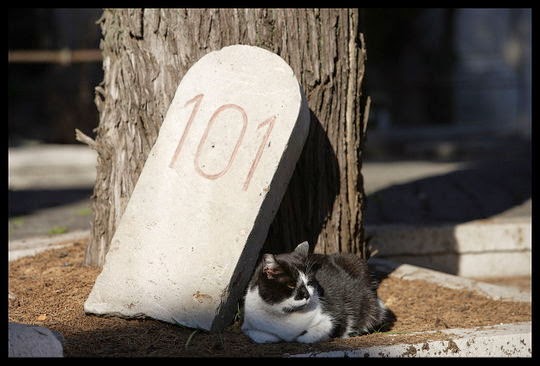
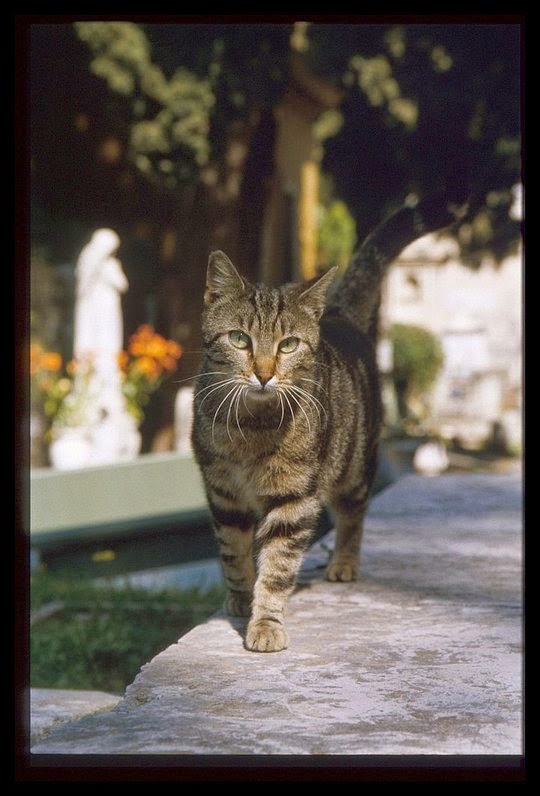
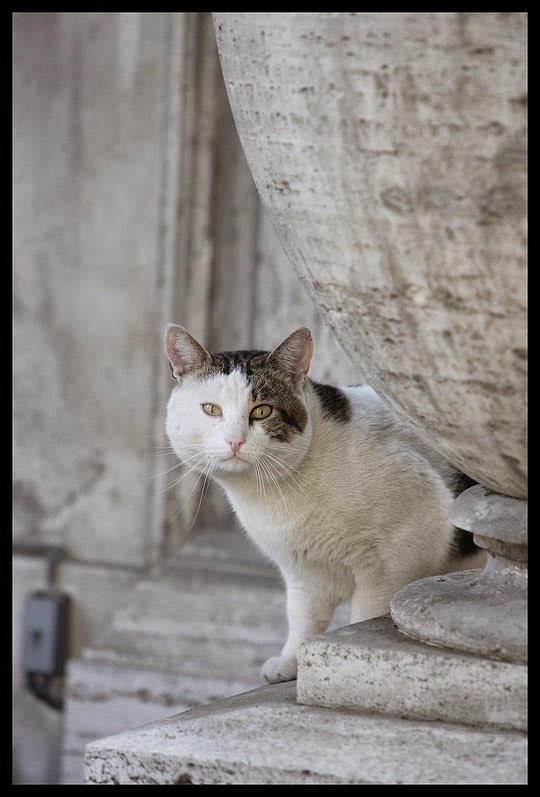
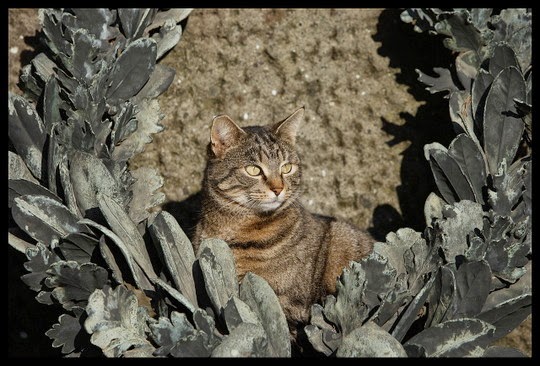
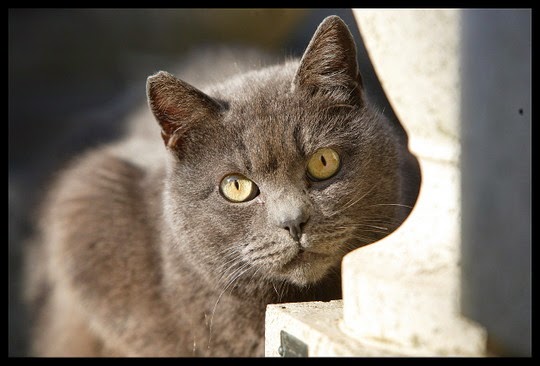
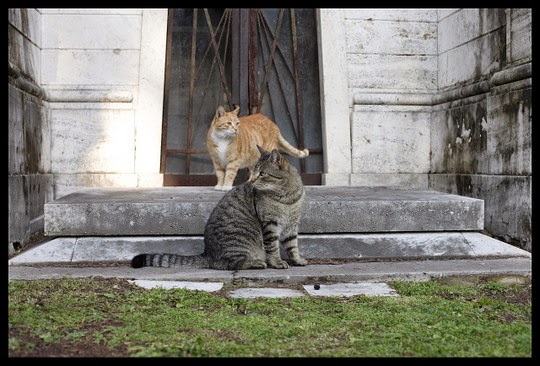
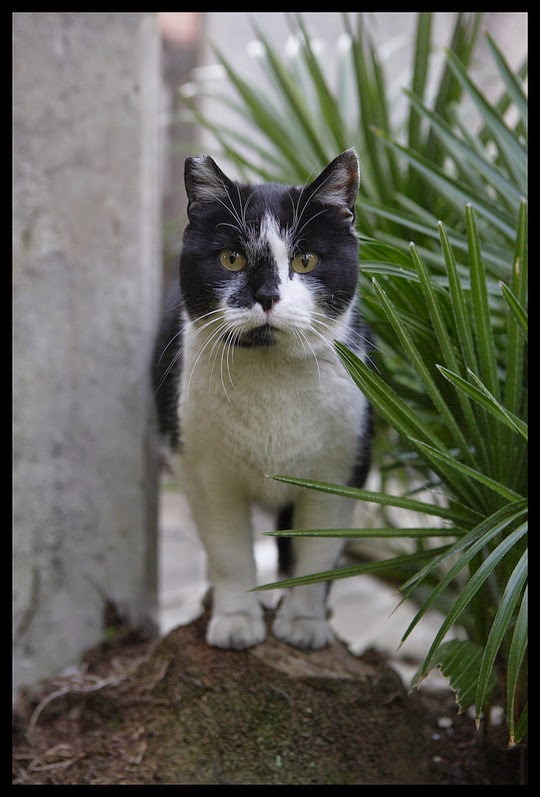
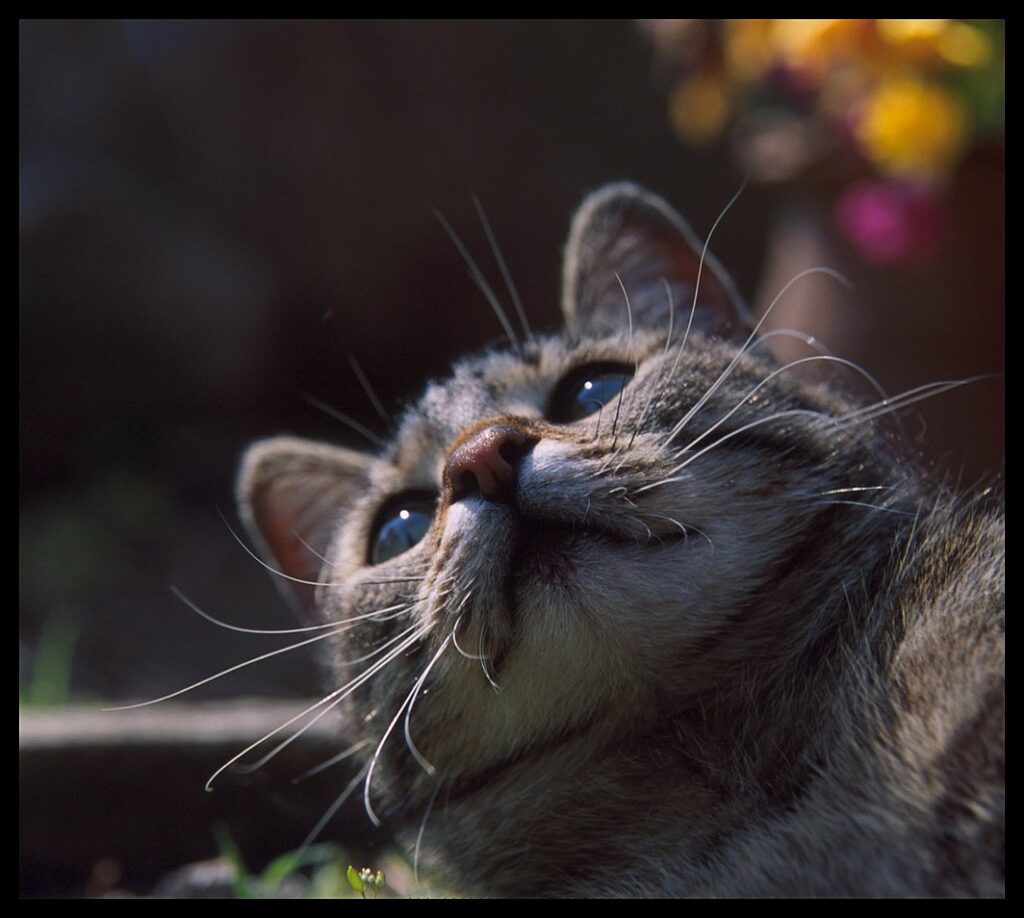
Walking through Campo Verano can feel like a treasure hunt… for cats. You’ll see them everywhere if you look closely. Some stretch out on warm marble slabs. Others perch on tombstones or slip silently between graves.
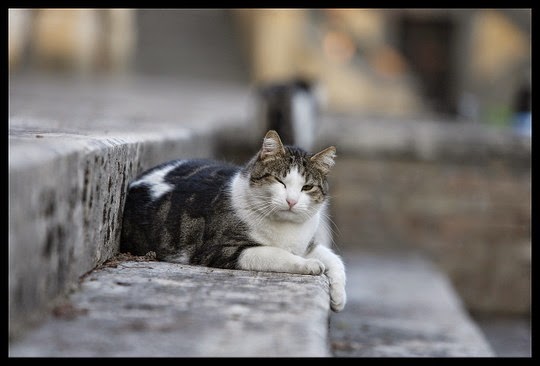
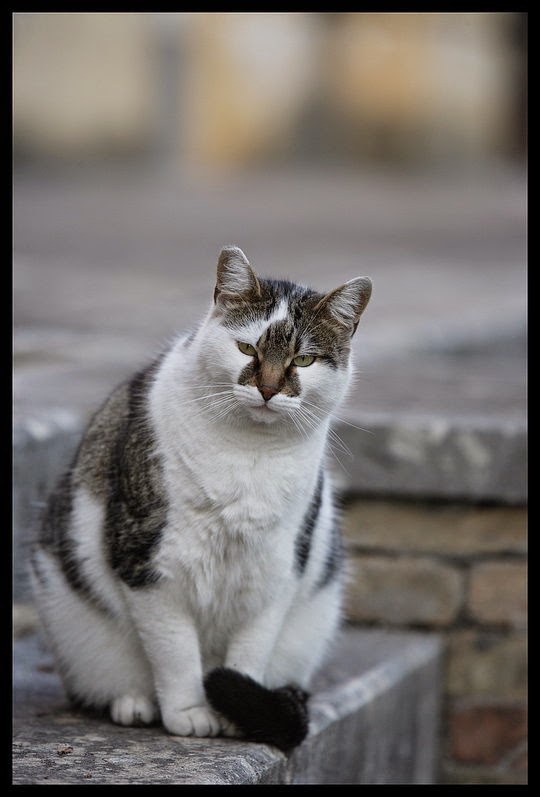
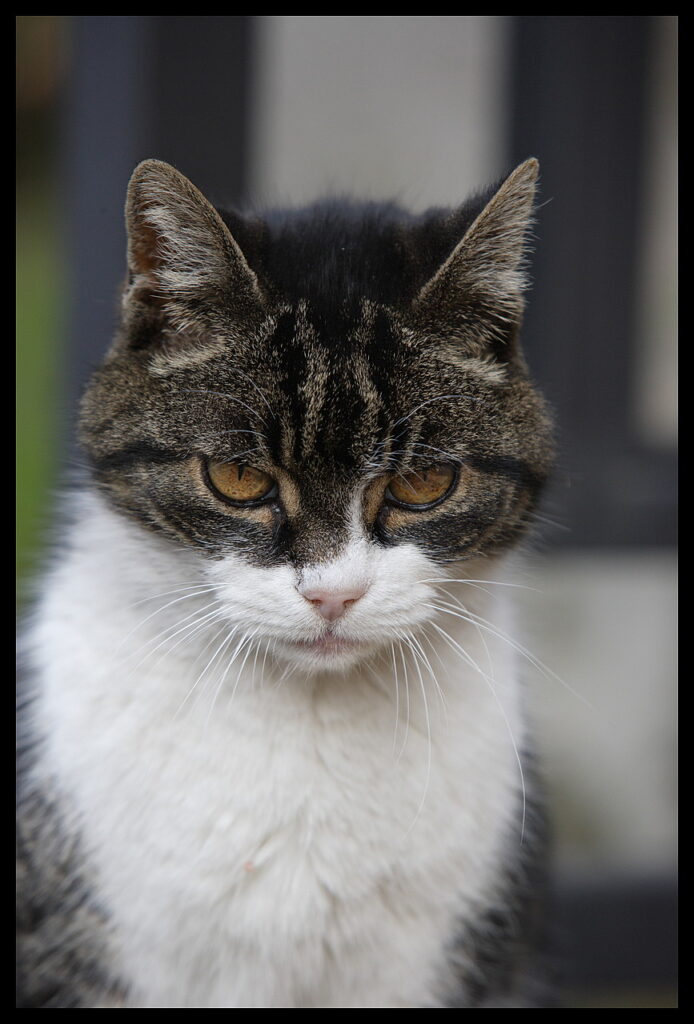
Each cat has its own style. Some walk right up to you, looking for a scratch behind the ears. Others keep their distance, curious but cautious.
Community care
A small but dedicated community cares for the cemetery cats. Caretakers and volunteers work together to make sure they are safe, well-fed, and healthy. Local vets also step in to help with medical care.
Their kindness shows a deep respect for all living creatures. Thanks to this shared effort, the cats live peacefully alongside the people who visit and care for them—a quiet reminder of how compassion can bring a community together.
Visiting Campo Verano Cemetery: address, hours & how to get there
Address
Verano Monumental Cemetery, Piazzale del Verano, 1, 00185 Roma RM, Italy.
Opening hours
The Campo Verano Cemetery in Rome welcomes visitors every day of the week, including weekends, from 07:30 am to 06:00 pm.
How to get there
- Metro: Take Line B (Blue Line) and get off at the Roma Tiburtina station. From there, it’s about a 10-minute walk to the cemetery.
- Bus: Several bus lines serve the area around Campo Verano, including bus numbers 71, 163, and 542.
- Car: To drive to Campo Verano Cemetery, head northeast from central Rome toward Piazzale Tiburtino, then continue straight onto Viale del Verano until you reach the main entrance of the cemetery. Parking nearby is limited, so plan ahead or consider arriving early.
Conclusion
Have you visited Rome’s Campo Verano Cemetery or would you like to explore it someday? I’d love to hear your thoughts in the comments below!
If you enjoyed the photos or found this guide helpful, please share it on social media—it helps others discover the beauty of this peaceful and unexpected sanctuary.
Other cemeteries with cats
If you love cats and enjoyed the feline charm of Campo Verano Cemetery of Rome, you might want to visit these other graveyards that are home to more cats than spirits.
- Buenos Aires Cemetery, Argentina
- Montmartre Cemetery, Paris
- Aoyama Cemetery, Tokyo
- Montevideo Cemetery, Uruguay
- Yanaka Cemetery, Tokyo
- Highgate Cemetery, London
Whether you find yourself in Argentina, France, Japan, Uruguay, or England, these spots blend quiet beauty with the gentle presence of cats. They’re perfect for travelers who love history and a touch of feline magic.

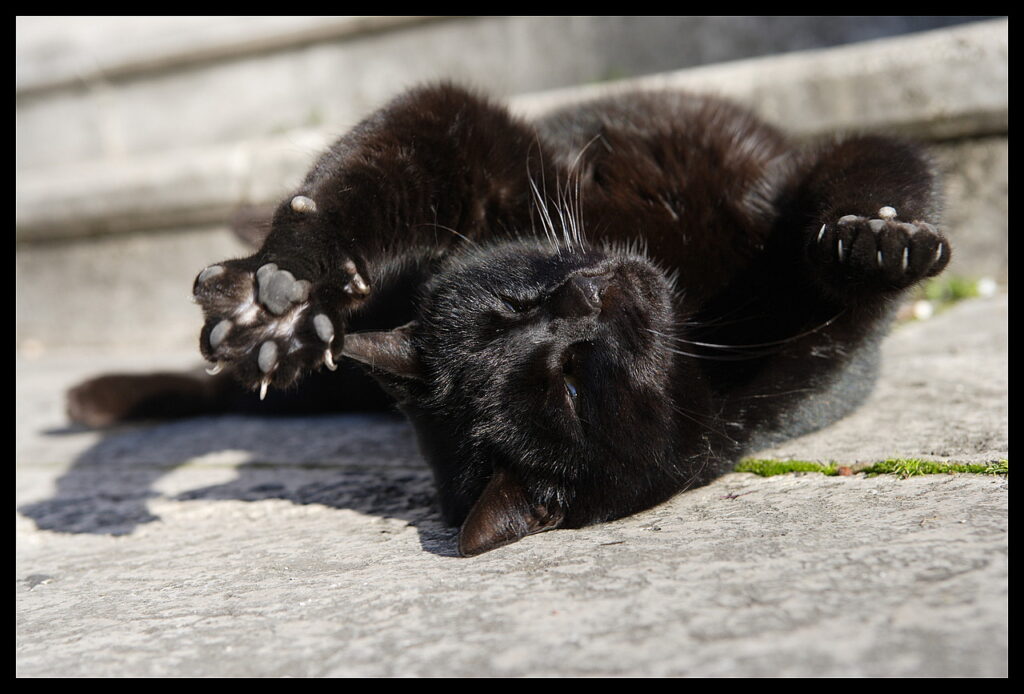
Cat pictures by Sobi.

Pin this article about Campo Verano Cemetery in Rome!