Last Updated on 14 August 2025 by Vanessa
Explore the fascinating world of cats in Istanbul with these 20 fun facts that highlight the special bond between these furry creatures and the bustling city they roam.
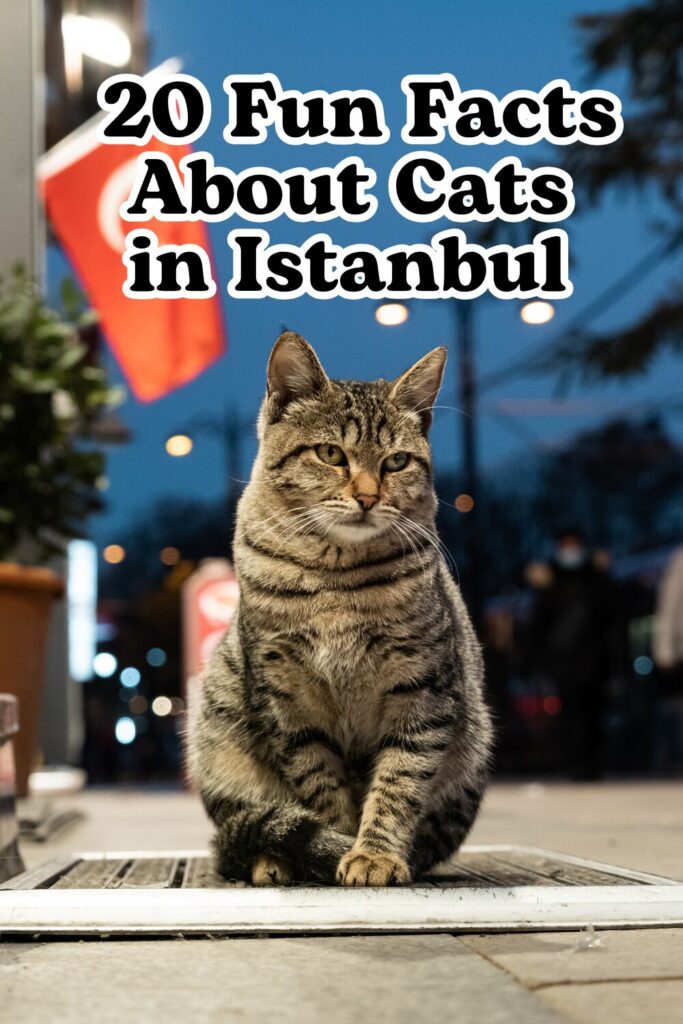
20 fun facts about cats in Istanbul
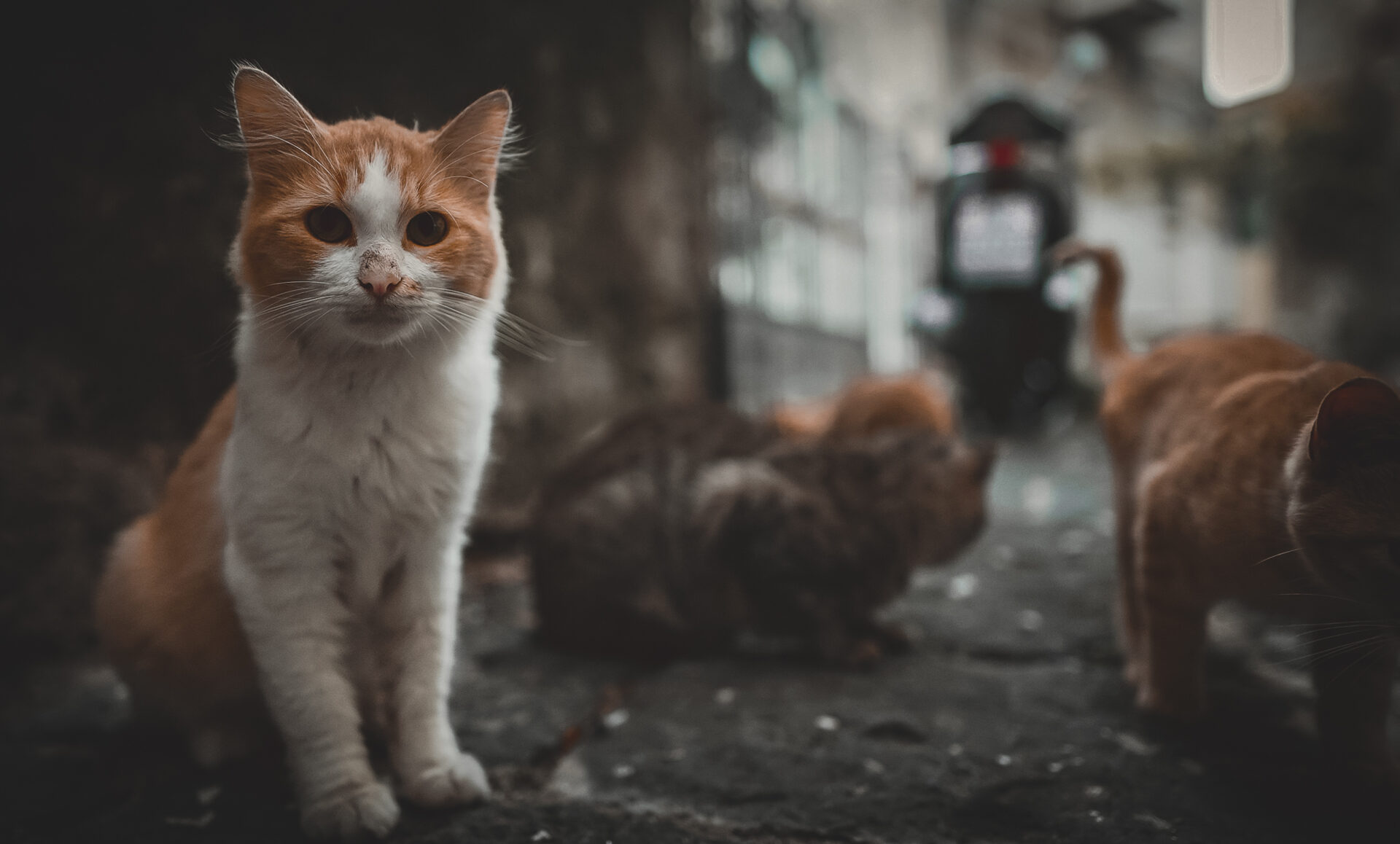
Istanbul is one of the most stunning cities in the world. But did you know it’s also home to a large population of free-roaming cats? We’re talking thousands of them. And they’re roaming the streets like they own the place.
If you really want to soak up the soul of Istanbul, you have no choice but to dive into its one-of-a-kind relationship with cats.
After spending a lot of time researching and writing about the cats of Istanbul, I put together 20 fun facts that every cat lover will adore. So whether you’re planning on moving to Istanbul, dreaming up your next adventure, or just obsessed with cats around the world, you’re in the right place.
Let’s explore why Istanbul has earned the nickname “the city of cats”—and fall in love with the purrfect charm of this unforgettable place.
1. Cats in Byzantine and Ottoman eras
Istanbul’s love for cats goes way back to the days of the Byzantine and Ottoman empires. These furry creatures have literally witnessed the rise and fall of empires, the construction of architectural marvels, and the shifting of political landscapes.
Back then, people kept cats to control the city’s rat population and to keep Istanbul’s Cruise Port, streets, markets, and homes clean and rodent-free.
2. Istanbul cats law
Have you heard of the Istanbul cats law? This law requires its municipalities to feed, vaccinate, and care for street cats, all while letting them stay right in their neighborhoods instead of removing or relocating them.
Beyond just feeding and healthcare, the law also supports sterilization programs to control the population humanely. Municipal workers and volunteers regularly check on the animals to make sure they’re healthy and safe.
3. Feeding stations and shelter for street cats
You’ll find dedicated feeding stations for street cats all across the city, and many locals have incorporated feeding and caring for street cats into their daily routines.
You’ll also find small shelters or little houses—from ornate dollhouses to cardboard boxes—for stray cats scattered around the city. They provide protection from harsh weather, and they are a safe place for cats to rest.
4. How many cats in Istanbul?
Estimates vary, but you’ll generally find between 400,000 to 700,000 cats roaming the streets of Istanbul. Some sources even say there are over a million cats in Istanbul. In any case, these feline locals often outnumber many of the city’s human residents in certain neighborhoods.
5. A sultan’s best friend
Ottoman sultans didn’t just live with cats—they celebrated them.
Sultan Mehmed II, who conquered Constantinople, set the tone early by building mosque complexes that funded care for animals. It didn’t take long before cats began lounging around palaces and prayer spaces.
A few centuries later, Sultan Abdulhamid II took cat love to a whole new level. He absolutely adored his fluffy white Angora, Ağa Efendi, and famously fed him with a fork. Palace staff brought in rare breeds like Persian and Van cats, and records say nearly 1,500 cats roamed the grounds of Yıldız Palace under his rule. His daughter even wrote about how Ağa Efendi interrupted their family games by leaping onto the table mid-domino match.
Beyond the palaces, the Ottomans made sure street cats had what they needed too. The empire hired people to feed strays, opened early animal hospitals in places like Üsküdar, and under Sultan Murad III, introduced one of the first animal protection laws in the world. Even public libraries, like the one at Beyazıt, kept roasted liver on hand for their feline visitors.

6. Cats in iconic Istanbul sites
Did you know some of Istanbul’s most iconic landmarks also serve as home to some very famous cats?
The most renowned kitty is probably Gli from the Hagia Sophia. She lived there for over 16 years, and even President Obama paused to pet her during his 2009 visit. After her passing in 2020, fans created online tributes, and the Hagia Sophia staff says she’s part of the site’s legacy.
And then there’s the Blue Mosque, which is teeming with cats. A few have even become minor internet celebrities thanks to their photobombing skills and regal poses under the mosque’s famous domes.
You’ll still find built-in niches, feeding stations, or engraved signs marking “cat crossing” spots within these spiritual and scholarly spaces.
Read more: Cats and Their Love for Istanbul’s Historical Sites: 30 Must-See Feline Attractions.
7. The Turkish word for cat
The Turkish word for cat is “kedi.”
It is believed to have its root in the Persian word for cat: “گربه” (gurbe).
This linguistic connection is due to the historical interactions and influences between the Turkish and Persian languages. Over time, “gurbe” evolved into “kedi,” and this term has become the commonly used word for “cat” in the Turkish language.
8. Cats in Turkish literature
The cats of Istanbul have captured the imagination of writers through the ages, and they often make appearances in Turkish literature and poetry.
For example, in the works of renowned writers like Yekta Kopan and Bilge Karasu, cats symbolize connection and companionship.
Read more: Cats in Literature and Cinema: Istanbul’s Literary and Cinematic Purr-sonalities.
9. Cat Museum Istanbul
In 2021, the Cat Museum Istanbul opened in Galata. It showcases Ottoman-era cat art and houses real rescues in the basement.
You can even join a walking “cat tour” through Instagram-famous neighborhoods like Cihangir, Kadıköy, and Moda. Guides often know the cats by name and share their stories—some of them even have their own fan pages.
10. Tombili: Istanbul’s chillest cat
Tombili (his name means “chubby” in Turkish), became a local legend in Istanbul’s Kadıköy district. She lived on a quiet side street in the Ziverbey neighborhood and gained fame after someone snapped a photo of her reclining on a sidewalk step. That photo went viral and turned Tombili into an internet sensation.
When Tombili passed away in August 2016, her fans launched an online petition asking the city to honor her memory. Over 17,000 people signed. A local sculptor, Seval Şahin, volunteered to create a bronze statue capturing her iconic pose. Kadıköy Municipality installed the statue on October 4, 2016—World Animal Day—right where she used to lounge.
Then, one night, someone stole the statue. Four days later, it turned up a few blocks away. City workers repaired it and returned it to its spot. People often leave flowers, snacks, or small cups of tea next to her.

11. Kedi, a documentary about cats in Istanbul
You’ve probably already seen this one, but if you haven’t, the documentary film Kedi is a total gem.
What makes it so special? It’s like you’re seeing the city through their eyes. You follow their daily adventures as they sneak through neighborhoods, charm locals, and sometimes act like divas (because, well, cats). It dives deep into how these furry city-dwellers have a unique bond with the people around them. You see shopkeepers who treat them like royalty, kids who grow up alongside them, and the quiet ways these cats connect whole neighborhoods. It’s a love letter to Istanbul, but told through the eyes of its most beloved citizens.
12. Cats brings good luck
Among Istanbul’s residents, there’s a prevailing belief that showing kindness to cats brings good luck.
As such, acts of compassion toward cats are not only seen as gestures of care but also as a means of inviting positive energies into one’s life.
13. Cats are clean
In Islam, cats are considered clean animals, a belief that aligns with their independent and self-grooming nature.
There are hadiths, sayings attributed to the Prophet Muhammad, that highlight the positive qualities of cats and the value of showing kindness to them.
Therefore, this perspective fosters an environment of respect for cats within Islamic culture.
14. Cat ambulance
Call 153, and Istanbul’s Beyaz Masa (White Desk) service sends an animal ambulance to help injured strays. Dogs and cats receive free medical care, and cats are usually returned to their original spot post-treatment.
15. Bad Cat
Looking for something quirky? Bad Cat (Kötü Kedi Şerafettin) is a wild, no-holds-barred animated film set in the rough-and-tumble streets of Istanbul. It follows Shero, a streetwise tomcat with a bad attitude, a taste for trouble, and absolutely no filter. From unexpected fatherhood to run-ins with old enemies and bizarre love interests, Shero’s day takes one wild turn after another. The movie mixes crude humor, gritty city life, and offbeat animation into a fast-paced adventure made for adults.

16. Cats as neighborhood icons
Some cats have become the unofficial mascots of certain neighborhoods. Because they live on the streets and often mingle with several locals, they’ve secured a spot in the hearts of many. They’ve become familiar faces that embody the spirit of each district.
In Galata, for example, Sarı was known for visiting homes via balconies, earning her a reputation as the district’s quiet sweetheart.
And near the fish market, Deniz charmed vendors into handing over the best scraps, while in Samatya, a fierce little cat nicknamed Psikopat chased off dogs and guarded her mate like a true warrior.
17. Cats and fish markets
Speaking of which… The scent of fish markets often serves as a GPS for Istanbul’s street cats, drawing them in like a dinner bell. Places like the Kumkapı Fish Market near the old city walls and Balık Pazarı off Istiklal Avenue are absolute cat magnets. You’ll find dozens of furry locals lounging between crates of sardines or weaving between fishmongers’ legs. These markets offer a steady supply of fish scraps, and vendors often feed their feline regulars.
It’s not just about food, though; markets give cats shelter, warmth, and a front-row seat to Istanbul’s daily hustle.
18. Cat vending machines
Istanbul has vending machines that dispense cat treats, so you can easily buy a snack for local felines. These machines, known as “mamamatiks,” often also allow people to recycle plastic bottles by inserting them into the machine, and in return, the machine dispenses food for the animals. You’ll most often find them in parks, busy streets, and near public spaces.
Similar initiatives have since been implemented in other cities around the world, including Bucharest in Romania and Tokyo in Japan.
19. Cat-themed songs
Cats are such a big part of life in Istanbul that they’ve even inspired Turkish musicians to write songs about them. Artists like Bülent Ortaçgil and Yaşlı Amca have written tracks like Kediler and Kediler ve Şarkılar that celebrate the calm, mysterious, and playful nature of cats.
20. Most common Turkish cat names
Some of the most common Turkish cat names are “Misket” (meaning “marble” or “small ball” in English), “Pamuk” (“cotton”), “Boncuk” (“bead” or “small jewel”), “Karabas” (“blackhead”), “Zeytin” (“olive”), and “Minnoş” (a term of endearment similar to “sweetie” or “cutie”).
Final thoughts
The more fun facts I learned about Istanbul, the more my affection for its people and their unique rapport with their cats deepened. Let’s hope that this respect for cats will inspire similar attitudes in other countries where many felines still endure suffering.
Did you like these fun facts about cats in Istanbul? Then why not share this post with your friends and across social platforms?
Discover more cat-centric destinations:
The cat invasion: why Taiwan is going gaga over cats
Why are there more cats than humans in Cyprus?
Is Chefchouen in Morocco the ultimate cat tourist destination?
Cats and their people in Egypt: a deep cultural and historical bond

English version / version française
Pin these fun facts about cats in Istanbul!