Skip to content
Last Updated on 12 May 2026 by Vanessa
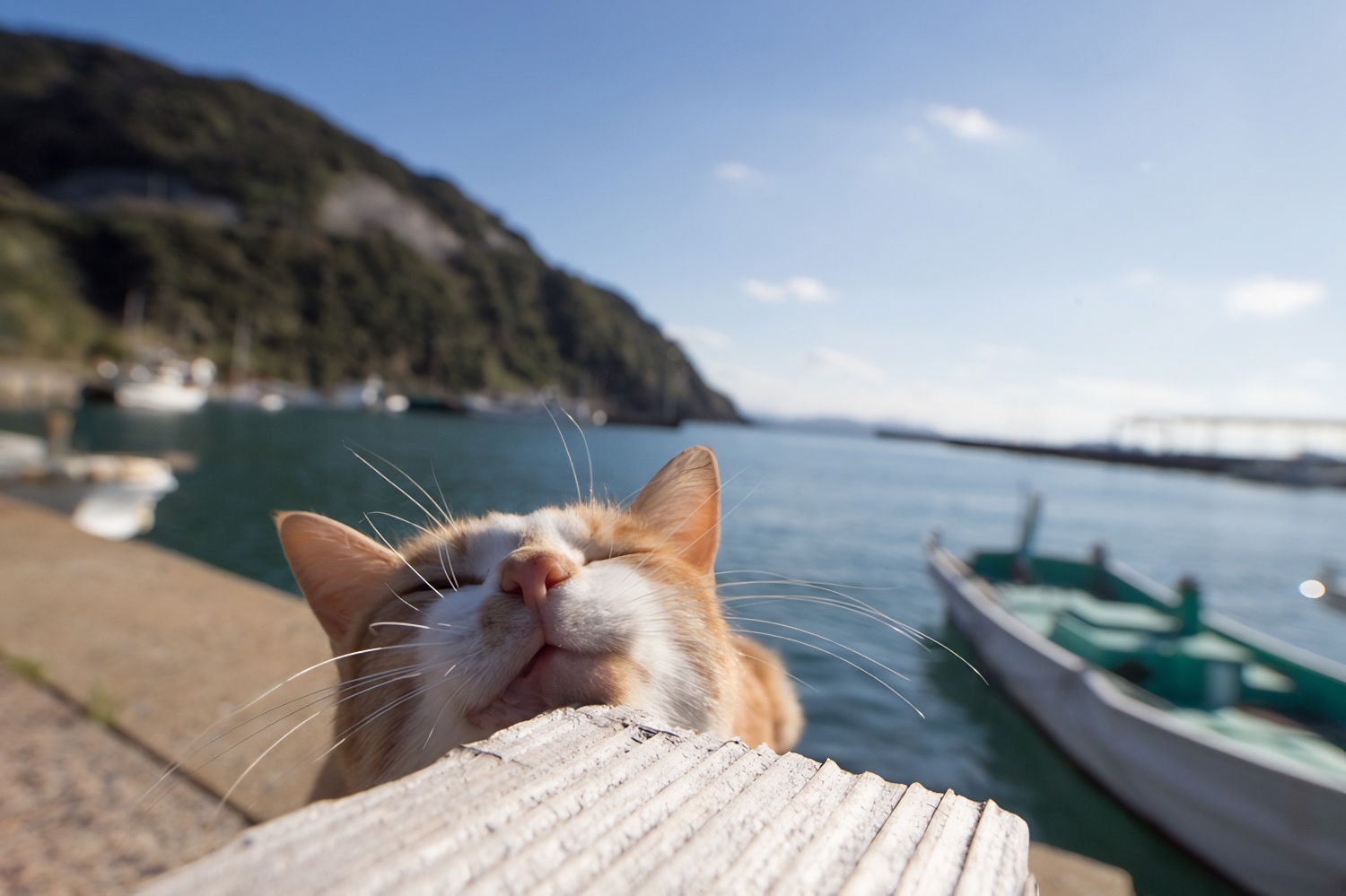
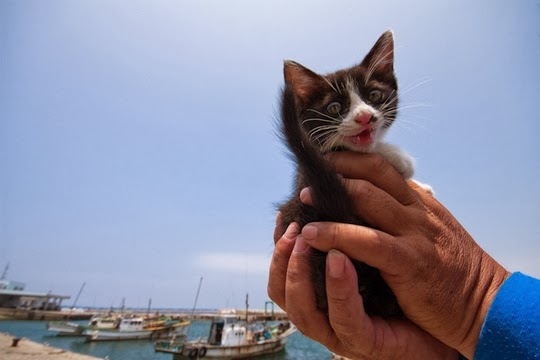
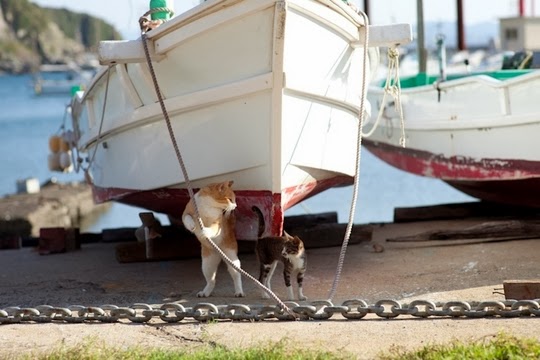
Since 2007, Japanese photographer Fubirai has been documenting the lives of semi-wild cats in Fukuoka Prefecture, on the northern coast of Kyushu. The islanders let the cats wander freely—onto boats, through yards, and even inside their homes for the occasional visit. Most residents here rely on fishing for a living, and when the fishermen return from the sea, there’s always a clowder of cats waiting for them on the docks.
Many people outside Japan first discovered places like Fukuoka and its surrounding cat islands through these photographs.
You can find Fubirai’s photography on his blog on Hatena Diary, one of Japan’s older blogging platforms. It’s a true treasure trove of cat antics and small-town charm.
He’s also shared a selection of his work with Traveling Cats to give even more people a chance to fall in love with these island cats.
Ready for a dose of cuteness and coastal charm? Let’s jump into Fubirai’s heart-melting photo series and explore the place these cats call home.
The cat photography that made cat islands famous

Welcome to Kyushu
Nestled in the southwestern part of Japan, Kyushu is the country’s third-largest island, covering around 36,000 square kilometers (13,900 square miles).
It’s famous for its hot springs (onsen) and is home to active volcanoes like Mount Aso, which offer incredible hikes and views. Over the centuries, Kyushu witnessed the rise and fall of powerful dynasties and saw the blending of various cultures.
All this turned Kyushu into a true tourist destination.


While it’s less crowded than Tokyo or Kyoto, the island welcomes visitors with open arms. Or should we say… paws? Because Kyushu is truly is a cat lover’s paradise, with hundreds of cats freely roaming the streets and basking in the affection of locals and visitors.
Their presence is evident at every turn. They stroll along the harbor, bask in the sun on cozy shopfronts, or playfully interact with the locals.
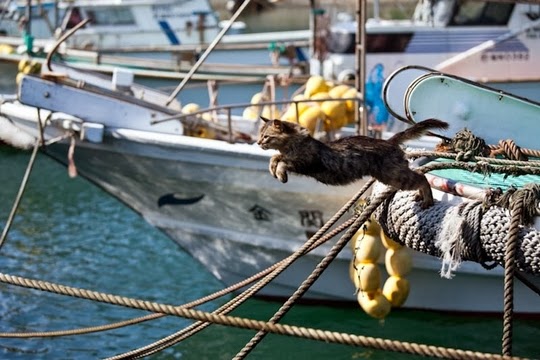
It is not uncommon to see the fishermen sharing their catch with the cats, and some even build small shelters to protect them from inclement weather.
This means the majority of these cats lead content and carefree lives.

Kyushu even has its own cat islands, the most famous one being Ainoshima. This tiny island is just a short trip from the city of Fukuoka and is home to around 150 free-roaming cats.
By the way, did you know that Japan is home to dozens of cat islands, each with its own unique charm?
The cat photographer that introduced many people to cat islands
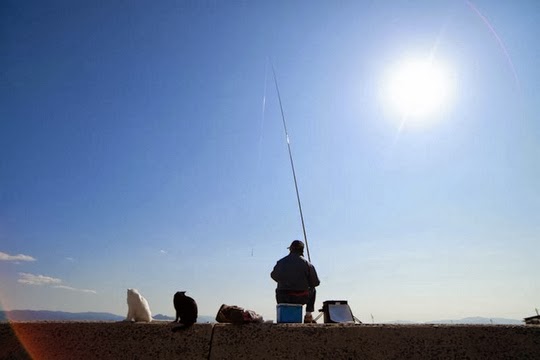
Fubirai is a Japanese photographer whose work focuses on the relationship between cats and everyday life in small coastal communities. Many of his images show cats interacting naturally with fishermen, local residents, boats, sea walls, gardens, and traditional streetscapes.
He has been taking regular trips to Kyushu and has been chronicling the lives of the local cats on his blog on Hatena Diary, one of Japan’s older blogging platforms.

Much of Fubirai’s cat photography is centered around Fukuoka, a laid-back coastal city in northern Kyushu, as well as on Ainoshima Island.
Because the cats are such an integral part of the Fukuoka community, the focus is on how they interact with the fishermen and locals.
Fubirai’s lens captures how they catch fish with their favorite humans, how they wait around when people prepare them meals, or just simply how they’re living their best cat lives.

When Fubirai began posting cat photos online in the late 2000s, cat islands such as Ainoshima were still relatively unknown outside Japan.
At the time, social media looked very different from today. Instagram barely existed, and travel discovery relied more heavily on blogs, forums, Tumblr reposts, and image-sharing sites.
Fubirai’s photos spread quickly because they showed something many people outside Japan had never seen before: entire fishing communities where large numbers of cats moved freely through daily life.

A global phenomenon
One of the biggest turning points came when international websites began reposting his photography. BuzzFeed featured several of his images in viral cat-related articles during the early 2010s, exposing places like Ainoshima to a much wider audience.
As interest grew, international media outlets started covering Japan’s “cat islands” as unusual travel destinations. CNN later included Ainoshima in a list of the world’s best places for cat lovers.
By that point, the idea of traveling to a Japanese island filled with cats had become part of global internet culture.
Despite his success, however, Fubirai kept a relatively low public profile over the years, with most people knowing him through his cat photography rather than interviews or social media presence.

Fukuoka through a feline lens
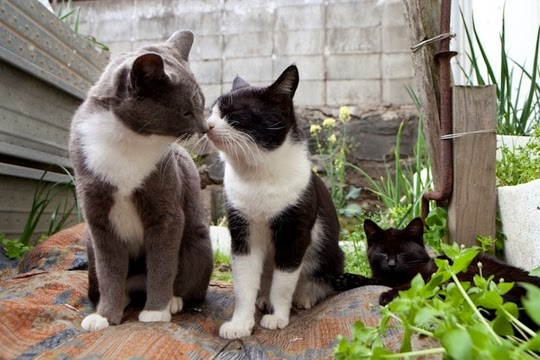
Fubirai’s cat photography captures fishing villages as lived-in places rather than tourist attractions.
Concrete harbors, old wooden houses, narrow alleys, fishing equipment, sea walls, and coastal weather all became part of the atmosphere surrounding the cats.
In many photos, the cats almost blend into the rhythm of daily life instead of dominating the image.

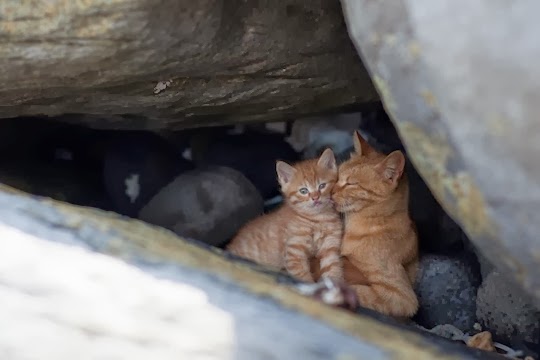
Another thing that made the photography memorable was the behavior of the cats themselves.
His approach is simple: spend lots of time with the cats, play with them, and wait for the perfect, funny moment to snap a photo.
Because he’s around so often, the Fukuoka cats have become a big part of his life—just like they are for the local fishermen. He’s built real bonds with many of them, which is why he keeps coming back. It’s more than a photo project; it’s a friendship.

Before the early 2010s, Ainoshima mainly attracted domestic visitors from nearby areas of Fukuoka.
After Fubirai’s images spread internationally, the island began receiving growing numbers of foreign tourists specifically interested in seeing the cats.
The rise of social media accelerated this even further. Visitors started posting their own photos online, which created a cycle where more travelers discovered the island through images rather than through traditional tourism advertising.
However, unlike many tourist destinations, Ainoshima never developed large-scale tourism infrastructure around this attention. The island remained a small residential fishing community with only a handful of shops, guesthouses, and restaurants.
📍 If you’re interested in visiting Ainoshima from Fukuoka, you can check out the island’s detailed travel guide here.

Conservation efforts
With increasing interest from travelers and cat enthusiasts, preserving the well-being of Fukuoka’s cat population is important. Thankfully, local communities and organizations, such as the Ainoshima Cat Association, are actively involved in conservation efforts to ensure the cats’ happiness and health.
As a visitor, you can play a part in these efforts by adopting a responsible approach when interacting with the cats. Respect their space and avoid disturbing their natural routines.

Many businesses on the island also contribute to cat-related causes, so consider supporting them to promote sustainable tourism.
In any case, Fukuoka’s reputation as a cat-friendly destination continues to attract visitors from all corners of the world, eager to experience the harmonious coexistence between cats and humans.
How to get to Fukuoka, Kyushu?
Want to meet the Fukuoka cats yourself? Here are some easy ways to get there.
- Plane: Fly into Fukuoka Airport (FUK)—it’s just 5 minutes from the city center by subway. The airport has both international and domestic flights.
- Train: Take the Shinkansen (bullet train) to Hakata Station, the main rail hub in Fukuoka. It connects directly to cities like Tokyo, Osaka, Hiroshima, and Kagoshima. (Consider using a Japan Rail Pass if you’re going to travel a lot between regions.)
- Bus: Long-distance buses from cities across Japan arrive at Hakata Bus Terminal, right next to Hakata Station. It’s a budget-friendly option.
- Ferry: Ferries connect Fukuoka to nearby islands and even South Korea (Busan). The port is easily reachable from the city center.
- Car: You can drive into Fukuoka via expressways from other parts of Kyushu and mainland Japan. There’s plenty of parking around the city.
To go to Fukuoka’s cat island, head to Shingu Port, which is a 20-minute walk from Nishitetsu Shingu Station, and take a quick ferry to Ainoshima. It’s an easy, low-cost day trip and a total heaven if you’re a cat lover.
Where to stay?
Ainoshima Island
Budget:
-
Marumiya Ryokan
-
Stay House KashiAinoshima
Note: Accommodation on Ainoshima is very limited.
Fukuoka Coast (including Shingu and nearby areas)
Budget:
-
Hotel AZ Fukuoka Wajiro – Wajiro
-
Hotel AZ Fukuoka Koga – Koga
Mid-Range:
-
The 358 UMI – Higashi Ward, Fukuoka
-
Hotel Forza Hakataeki Chikushi-guchi II – Hakata, Fukuoka
Luxury:
-
THE LUIGANS Spa & Resort – Uminonakamichi, Fukuoka
-
Hilton Fukuoka Sea Hawk – Chūō Ward, Fukuoka

Want to explore more of Japan’s Cat Islands?
For a lot of people, photos like Fubirai’s become the starting point of a much bigger fascination with Japan’s cat islands.
Ainoshima is just one small part of it.
Over the years, I’ve documented several of Japan’s best-known cat islands and put together detailed guides about what they’re actually like to visit, how difficult they are to reach, and which ones are genuinely worth the trip.
If you want to dive deeper into Japan’s cat island culture, these guides are a good place to continue:
- Guide to the best cat islands in Japan
- A complete list of Japan’s cat islands
- Full Tashirojima travel guide
- Detailed Ainoshima travel guide
Once you start looking into them, you realize just how many small fishing communities across Japan have their own long history with cats.
Spread the feline joy!
Is Fukuoka, Kyushu, now on your must-visit list? Don’t keep it to yourself! Share this article with your fellow cat-loving friends on social media. Who knows, they might be enticed to join you on this trip.

Photos by ©Fubirari, who documented these cats’ lives on the shore of Fukuoka. More photos of cats in Japan.
Fubirai’s work has been featured in various publications and online platforms, such as Love Meow, BuzzFeed, and Fox News.


Hosted by Lexa Cain and Julie Flanders