
Last Updated on 2 January 2026 by Vanessa
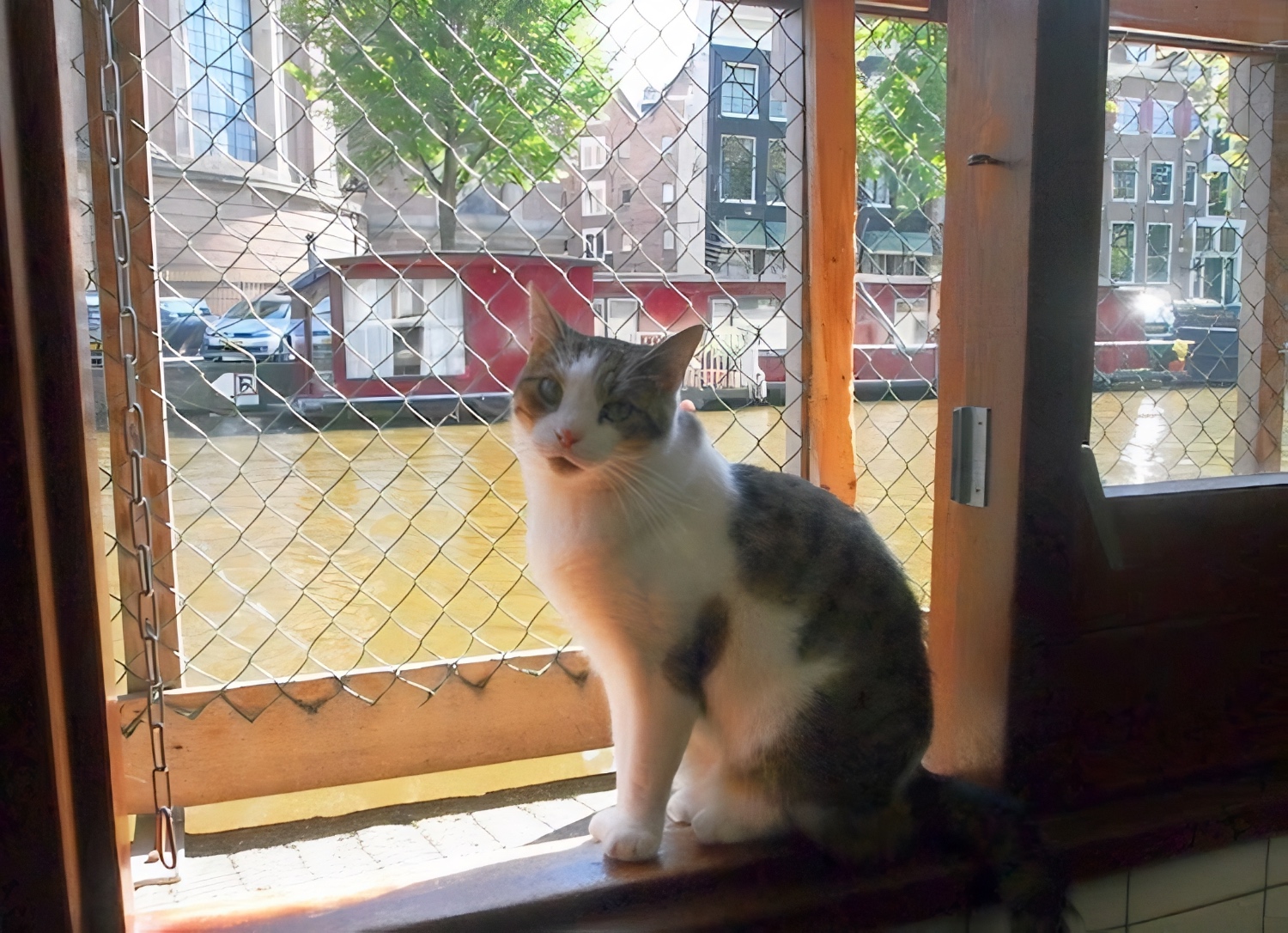
No trip to Amsterdam is ever complete without a visit to the famous The Cat Boat (also known in Dutch as De Poezenboot).
This floating cat sanctuary, located on a boat in Amsterdam’s picturesque canal belt the Singel, is one of the city’s main tourist attractions.
It provides a safe haven for stray, abandoned, and neglected cats, offering them shelter, medical care, and the opportunity to find loving forever homes.
The Cat Boat has been on my bucket list ever since I first heard about it several years ago, and I finally had the chance to stop by this past Tuesday.
Visiting The Cat Boat (De Poezenboot), Amsterdam’s famous floating shelter
Brief history of The Cat Boat / De Poezenboot
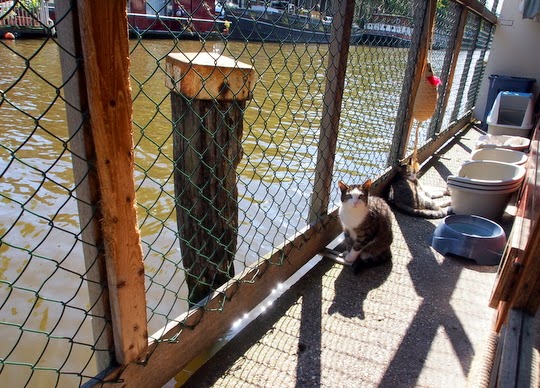
The Cat Boat began in 1966, when Henriette van Weelde decided to help stray cats by sheltering them on her own houseboat. As word spread and more cats arrived, the space quickly became too small.
In 1971, with support from donors and volunteers, Henriette purchased a retired Dutch barge and named it De Poezenboot. She converted the vessel into a permanent cat sanctuary, designing it specifically for the animals’ needs with safe enclosures and cat-friendly features.
Over the decades, The Cat Boat / De Poezenboot has cared for thousands of cats. It is now a well-known part of Amsterdam and a visible example of what community-led animal welfare can achieve. Staff and volunteers not only look after the cats but also promote adoption and responsible pet ownership.
Today, you can visit this floating shelter yourself. It’s definitely one of Amsterdam’s must-see attractions.
Location
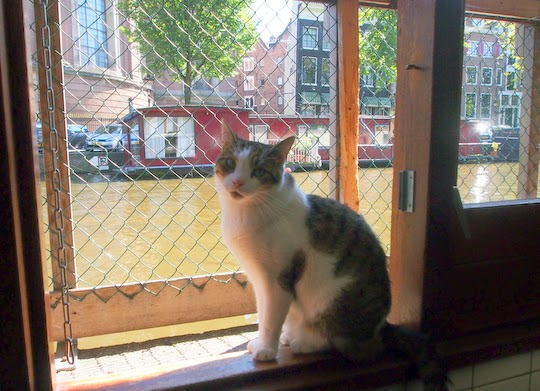
The Cat Boat / De Poezenboot is situated along one of Amsterdam’s picturesque canals and finds its moorings on the Singel, a historic waterway in the heart of the city.
This location on the Singel canal not only provides a calm setting but also allows for easy access and visibility, attracting cat lovers from all around the world.
From the water’s edge, the boat welcomes you with a facade decorated with its name and bright cat motifs. The barge itself has classic Dutch lines, fitting perfectly into the rhythm of the surrounding canal.
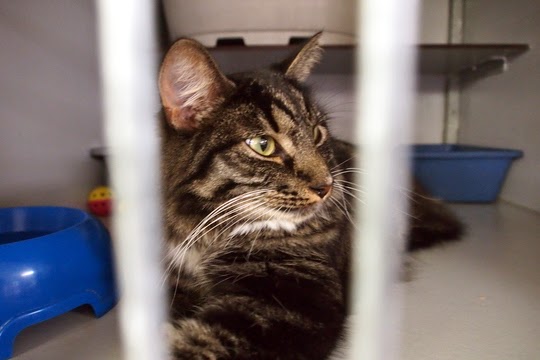
Life inside the boat
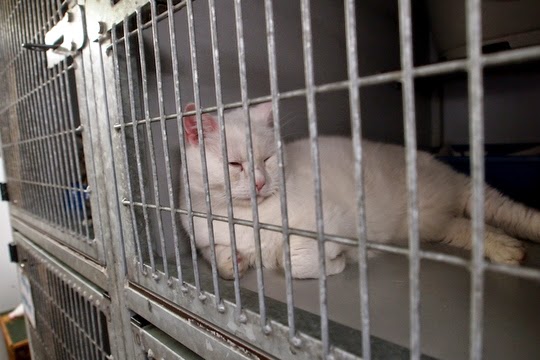
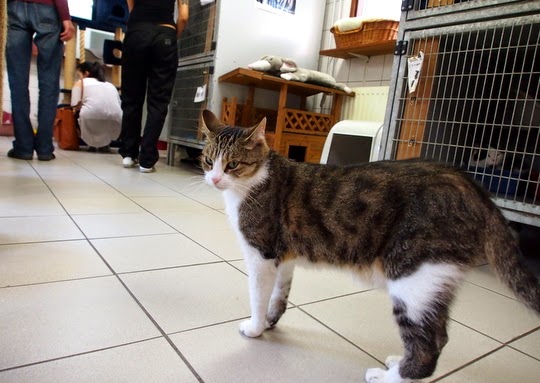
Inside, the boat is designed with the cats’ comfort and well-being in mind. The space is divided into sleeping areas, feeding stations, and play zones, giving the cats room to rest, eat, and explore freely.
Sleeping areas
The cats have quiet, secure spaces to rest. Soft beds, blankets, and cozy hiding spots let them relax in privacy and feel safe. These areas offer a peaceful retreat where cats can recharge without disturbance.
Feeding stations
Dedicated feeding spots provide fresh water and high-quality food throughout the day. Staff and volunteers monitor each cat’s dietary needs and keep the areas clean to support the cats’ health.
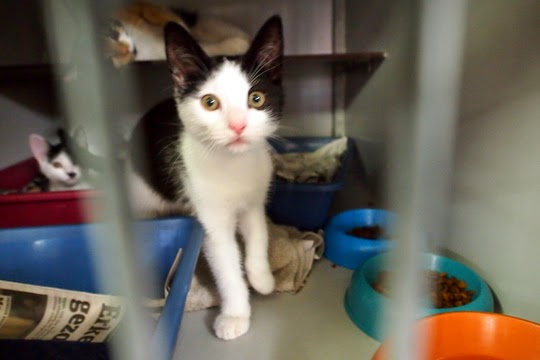
Play areas
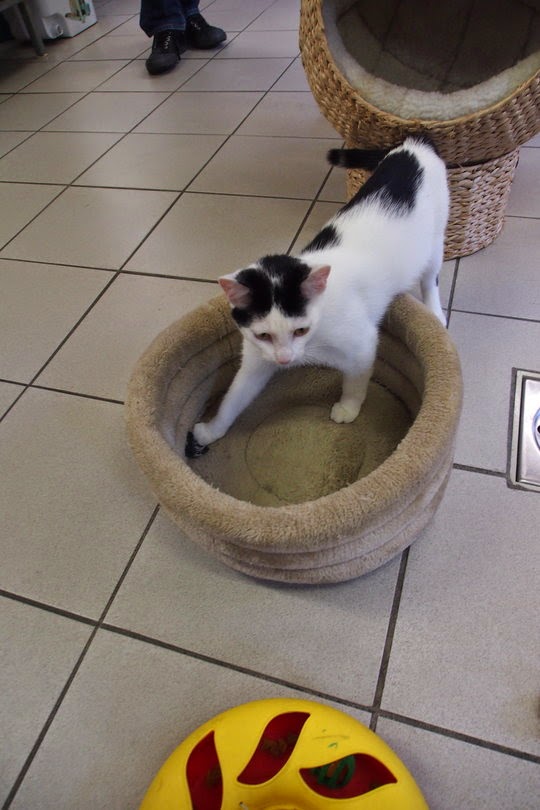
The boat includes climbing structures, scratching posts, tunnels, and interactive toys to encourage exercise, exploration, and natural behaviors.
Enrichment
To keep the cats mentally engaged, staff offer puzzle toys, treat-dispensing games, and interactive play sessions. These activities prevent boredom, stimulate natural instincts, and support overall emotional well-being.
Hygiene
Cleanliness is a top priority. Staff and volunteers regularly sanitize all areas, manage waste carefully, and maintain a healthy, odor-free environment for the cats.

Mission
The Cat Boat / De Poezenboot, is a non-profit that relies entirely on donations and the dedication of volunteers. It receives no funding from the City of Amsterdam, local districts, or any agencies.
Volunteers care for abandoned, surrendered, and stray cats. They also provide essential veterinary services—medical treatments, sterilization, vaccinations, and microchipping—with the goal of finding each cat a safe, loving home.
But the boat’s mission goes much further than that. Some of its other activities are:
Caring for stray and abandoned cats
The sanctuary regularly takes in stray cats or those surrendered by owners who cannot afford their care. The organization covers all costs for rehabilitation and ongoing wellbeing. They also collaborate with veterinarians and behaviorists who encounter abandoned or troubled cats, ensuring that as many animals as possible receive support.
Helping families with spaying and neutering
To prevent repeated litters of kittens, The Cat Boat / De Poezenboot helps people who cannot afford spaying or neutering.
In one recent case, they helped a woman who had around 50 cats by arranging veterinary care, vaccinations, microchipping, and sterilization for all of them before finding suitable homes.
Managing feral cat populations
The sanctuary works to control feral cat populations in Amsterdam, offering trapping and neutering services. After sterilization, cats are either returned to their original location or brought into the shelter.
They also run spay/neuter campaigns, sometimes offering discounted services to residents with a city pass, and can provide immediate microchipping when needed. Anyone aware of feral cat colonies or struggling with too many cats is encouraged to contact The Cat Boat / De Poezenboot for assistance.
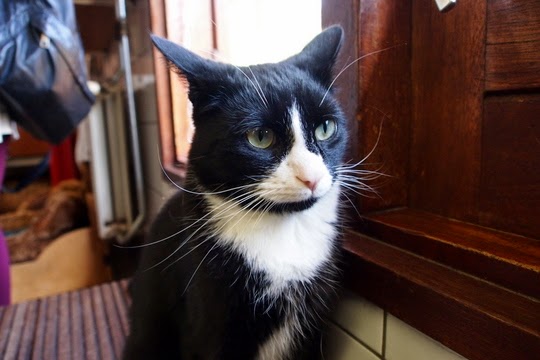
Collaborations
The Cat Boat / De Poezenboot works closely with a range of organizations to support cats in need and help them find permanent homes. These partnerships play an important role in ensuring that every cat receives proper care and the best possible chance of adoption.
Animal shelters
The sanctuary cooperates with local animal shelters to transfer cats when another facility can offer specific expertise, space, or resources that better suit a cat’s needs. This flexibility helps improve outcomes for cats that require extra care or specialized attention.
Veterinary clinics
Partnerships with veterinary clinics allow the sanctuary to provide essential medical care, including vaccinations, treatments, and spaying or neutering. Many clinics support the organization by offering discounted or pro bono services, making ongoing care possible.
Rescue groups
The Cat Boat / De Poezenboot also works with rescue groups that focus on particular breeds or cats with unique challenges. These collaborations increase adoption opportunities for cats who might otherwise struggle to find the right home.
Foster networks
Foster families provide temporary homes where cats can recover, socialize, and adjust before adoption. By working with foster networks, the sanctuary ensures that cats receive personal attention and care outside the shelter environment when needed.
Adoption platforms
Online and in-person adoption platforms help The Cat Boat / De Poezenboot reach a wider audience. These channels increase visibility for cats ready for adoption and make it easier for potential adopters to find the right match.
Community outreach
The sanctuary engages with local communities, schools, businesses, and neighborhood groups to raise awareness about its work. These partnerships support education around responsible pet ownership and often lead to volunteer initiatives, fundraising efforts, and long-term community involvement.

Adoption process
Many people visit The Cat Boat / De Poezenboot in the hopes of adopting a cat. Many cats find new homes quickly, though older cats or those with special needs often take a little longer to find the right match.
If you’re interested in adopting, the shelter recommends starting with their website. While they also share updates on social media, the website is the most reliable place to see all cats currently available.
When a cat catches your eye, call the shelter between 10:00 and 12:00 to make an appointment. During the call, staff will ask about the type of cat you’re looking for, why you want to adopt, and what kind of home you can offer. This conversation helps ensure a good fit from the start.
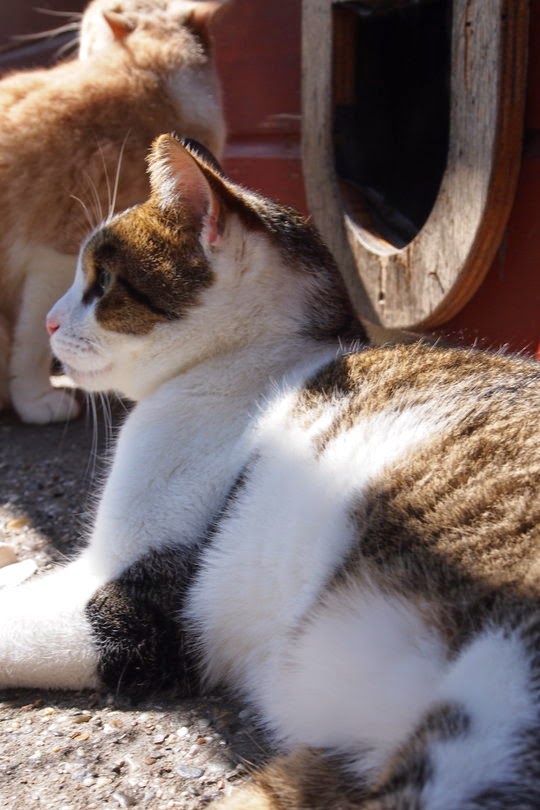
After that, The Cat Boat / De Poezenboot arranges a visit so you can meet the cat and see how you connect. Both you and the cat need to feel comfortable. Once everything feels right, you’ll take a night to think it over. If you both agree the next day, the team will schedule a time for you to pick up your new companion.
The process doesn’t end after adoption. Volunteers remain available to offer guidance and support. If the placement doesn’t work out, they ask that the cat be returned to the shelter.
They can also help with behavioral questions or refer you to a specialist if an in-home assessment is needed.
Visiting guidelines
Visitors to The Cat Boat / De Poezenboot, are asked to follow a few simple guidelines to ensure a calm and respectful experience for both people and cats.
Approach gently
Cats all have different personalities and comfort levels. Move calmly and quietly, and let the cats come to you if they choose. Sudden movements or loud noises can make them uneasy.
Respect personal space
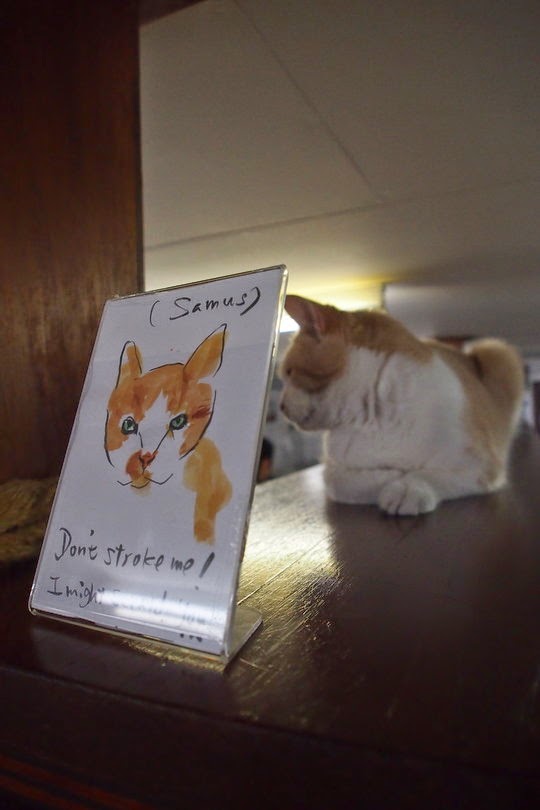
Not every cat wants attention. If a cat keeps its distance or moves away, give it space and avoid forcing interaction. Respecting boundaries helps the cats feel safe.
Ask before interacting
Before petting or engaging with a cat, check with a staff member or volunteer. They can advise which cats enjoy attention and how best to approach them.
Watch body language
Pay attention to how a cat reacts. Signs such as flattened ears, growling, or hissing mean the cat wants to be left alone. When you notice these signals, step back and give the cat space.
Practice good hygiene
Hand hygiene helps protect both cats and visitors. Sanitize your hands before and after interacting with the cats and follow any additional instructions from staff or volunteers.
Children and supervision
Children are welcome but should understand the importance of gentle behavior. Adults should supervise interactions closely to prevent stress or accidental harm to the cats.
Feeding the cats
Only feed cats with permission from staff or volunteers. They can advise on appropriate food and feeding routines to keep the cats healthy.
Following these guidelines helps create a relaxed environment where cats can feel secure and visitors can enjoy their time aboard the Cat Boat.
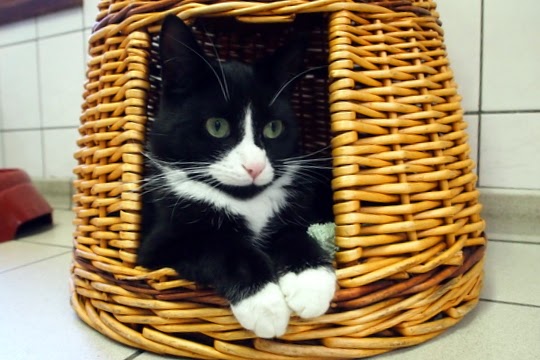
Support The Cat Boat / De Poezenboot
There are several ways to support The Cat Boat / De Poezenboot, and help ensure continued care for the cats on board.
Adoption
If a cat catches your eye, there’s a good chance they’re available for adoption. By adopting, you give a stray or abandoned cat a permanent home while freeing up space at the shelter for other cats in need.
Financial adoption
Some cats at The Cat Boat / De Poezenboot cannot be adopted. Many of them were born and raised outdoors and remain fearful of human contact. In time, a few may learn to trust people, and when possible, the shelter looks for special homes suited to their needs. Until then, these cats rely on financial adoption.
Financial cat adoption allows you to support one or two cats through a one-time or recurring donation. You can choose from several preset amounts or decide on your own, as long as the total comes to at least €25 per year. If you ever wish to stop your donation, a simple email is enough to cancel it.
As a thank-you, the shelter sends a photo and description of the cat or cats you support, either by email or post. Those who choose recurring financial adoption also receive the Poezenboot newspaper twice a year, featuring updates about life on the boat, stories about the cats, and practical advice on cat behavior.
Cat-themed merchandise
You can also support through the online shop. Even if you can’t visit in person, the webshop offers a range of merchandise such as T-shirts, postcards, and other cat-themed items, with proceeds going directly toward the care of the cats.
Volunteer
Volunteers play a vital role at The Cat Boat / De Poezenboot. Their time and commitment help ensure the cats receive daily care and ongoing support. If you want to contribute, consider doing one or more of the following things:
Cat care
Volunteers assist with everyday tasks such as feeding, grooming, and monitoring the cats’ health. This role also includes cleaning litter boxes and spending time with the cats to make sure they feel safe and cared for.
Adoption support
Some volunteers help guide the adoption process. They speak with potential adopters about their lifestyle and expectations, help arrange meetings with cats, and offer support throughout the decision-making process.
Socialization
Cats with traumatic backgrounds or behavioral challenges often need extra patience. Volunteers in this role spend focused time with these cats, helping them build trust through calm interaction, play, and companionship.
Fundraising and events
Volunteers also support fundraising efforts and events that help keep the sanctuary running. This can involve planning campaigns, promoting events, and engaging with the community to raise awareness of the sanctuary’s work.
Administrative support
Behind the scenes, volunteers help with tasks such as answering emails and phone calls, maintaining records, updating the website, managing social media, and coordinating schedules.
Seasonal availability
The Cat Boat / De Poezenboot usually does not take on new volunteers during the winter months, as this period tends to be quieter.
Spread the word
You can also help by sharing this article on platforms like Pinterest, Facebook, Threads, or X. Even a single share can raise awareness and help more people learn about the cats who need support.
Visiting The Cat Boat / De Poezenboot
Address
De Poezenboot, Singel 38 – G, 1015 AB Amsterdam, Netherlands.
Visiting hours
The Cat Boat / De Poezenboot is open on Tuesdays, Fridays, and Saturdays between 01:00 pm to 03:00 pm.
If you want to make sure you can get in, please make a reservation through their website. You can also come by without a reservation, but then you may have to wait before you can enter, or if it is busy, you will have to come back another time (although they will do everything they can to let you in).
Please note that they do not schedule adoption appointments between 01:00 pm to 03:00 pm. Instead, they arrange them just outside their regular visiting hours to ensure ample time for a thorough introduction and to showcase the cat to you.
Visit next:
Text and photos by Vanessa Morgan
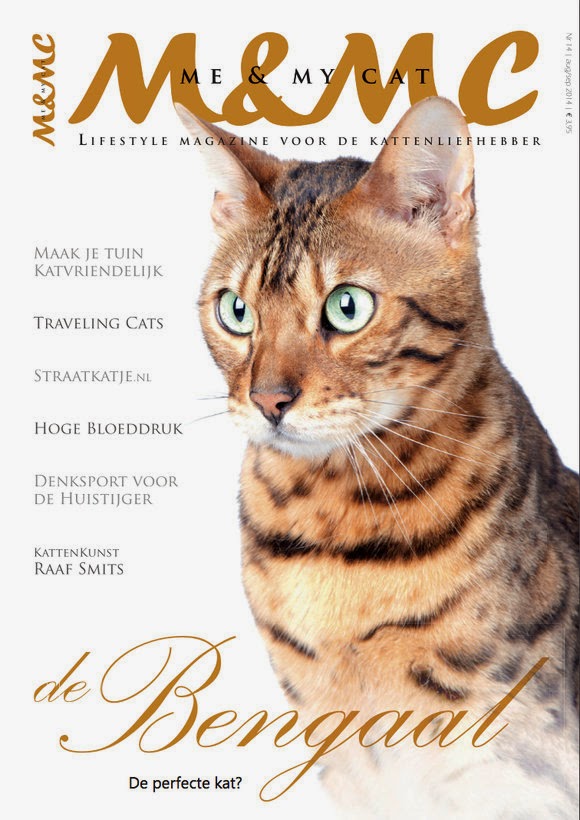
In other news, Traveling Cats is featured in the August/September edition of the Dutch cat magazine Me And My Cat. Be sure to get a copy if you have the chance. More press clippings here.



One Response
I haven’t heard of this but what a fantastic place for the poor homeless cats and such an interesting place to visit.
It sounds like the cats are well looked after, how lovely! x