Last Updated on 15 October 2025 by Vanessa
Why are there so many cats in Thailand?
Tourists often wonder about this as they explore the busy streets and peaceful temples of this tropical paradise. From hidden alleys to bustling markets, these cats seem to be everywhere. They are a vital part of Thailand’s culture.
In this article, photographer Catherine Lawrence uncovers the reasons behind their prevalence.
She also shares how you can help these cats.
By learning about the challenges they face and ways to support them, you can make a real difference in their lives.
Why are there so many cats in Thailand?
This is a guest post by Catherine Lawrence
I recently visited Thailand. It’s a fantastic country, and I had an amazing time. There are so many interesting things to see, and the Thai people are incredibly friendly and welcoming.
So, I wanted to celebrate some of the wonderful stray cats that brought an extra special smile to my face each and every day. I wanted to know why there are so many of them and how we can help the cats in need.

Temples: a common cat hangout
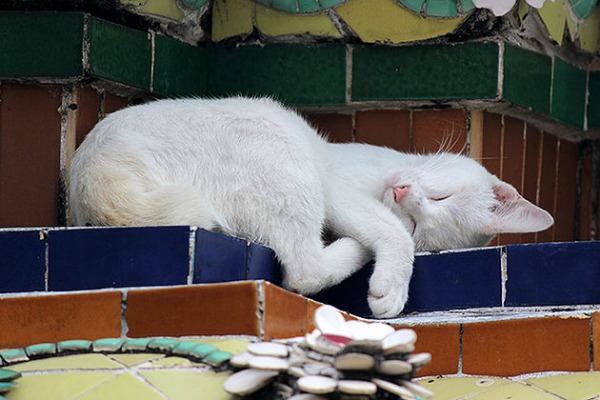
In the three cities I visited on my Thailand itinerary – Bangkok, Chiang Mai, and Phuket – the street cats were a firm favorite with locals and tourists alike, including me. Everywhere I looked, I could spot a lazy cat basking in the afternoon sunshine on a shop step, or a pair of shiny eyes peeping out from behind a car.
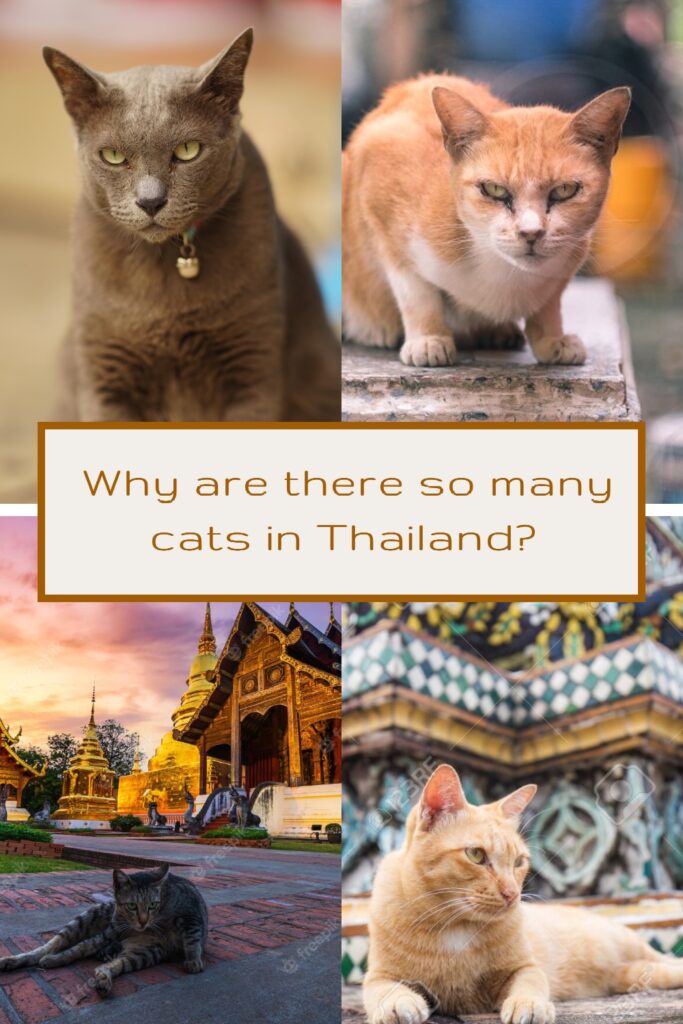
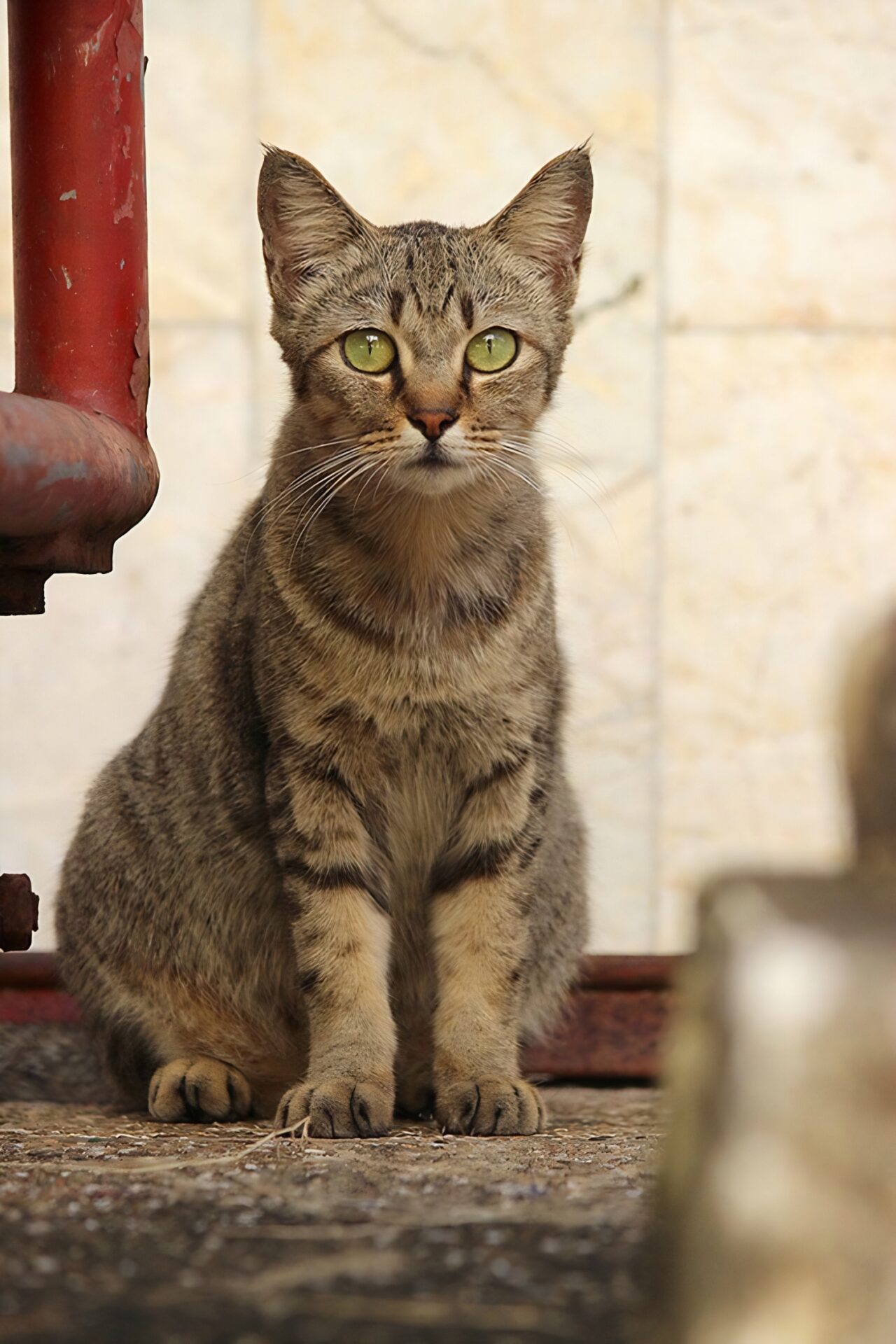
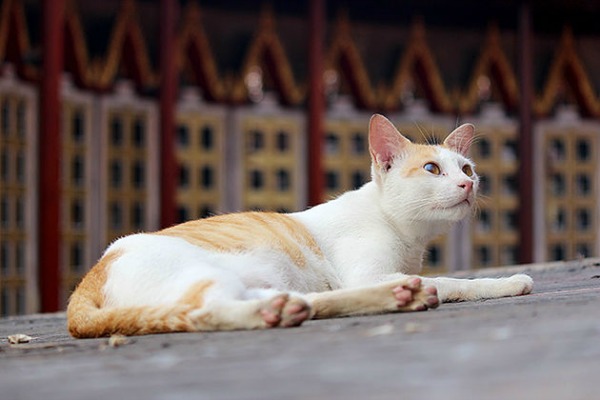
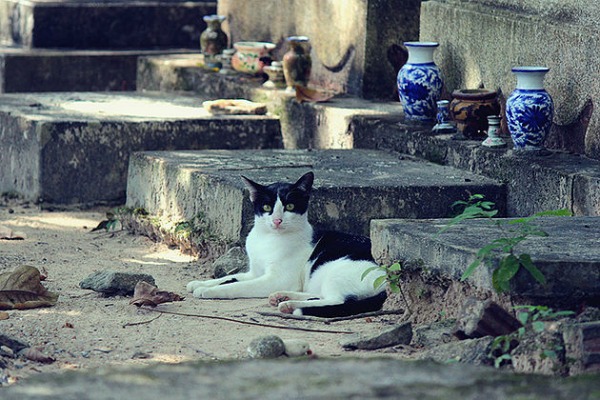
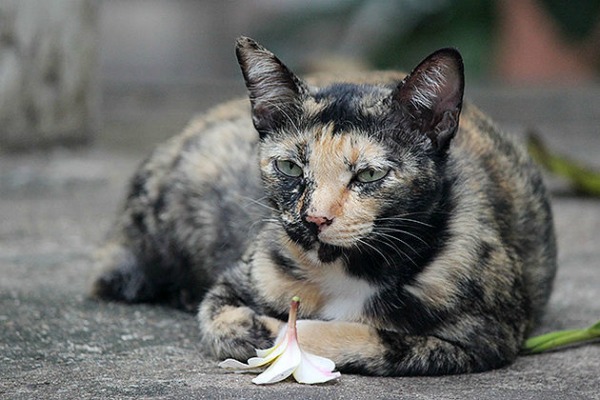
The most common hangout for cats in Thailand seemed to be the temples. Here, these charming felines delight visitors like me, who can’t resist a cute ginger, tabby, or tortoiseshell. At temples, they are more confident because they are used to seeing crowds of people every day.

Apparently, in villages across Thailand, people often leave unclaimed or unwanted animals at local temples. Many Thais see this as a kind choice since monks don’t harm animals, and temples usually get plenty of donated food to share. However, having many cats and dogs can cause problems for temple residents, such as constant fights and unsanitary conditions. Some temples may even post signs against this practice.
Unfortunately, animals that become a nuisance and can’t be relocated may face a harsher fate. If they threaten farm animals or bother people, they might be poisoned. This shows the complex and challenging situation for some animals in Thailand.
Cats everywhere: understanding Thailand’s feline phenomenon
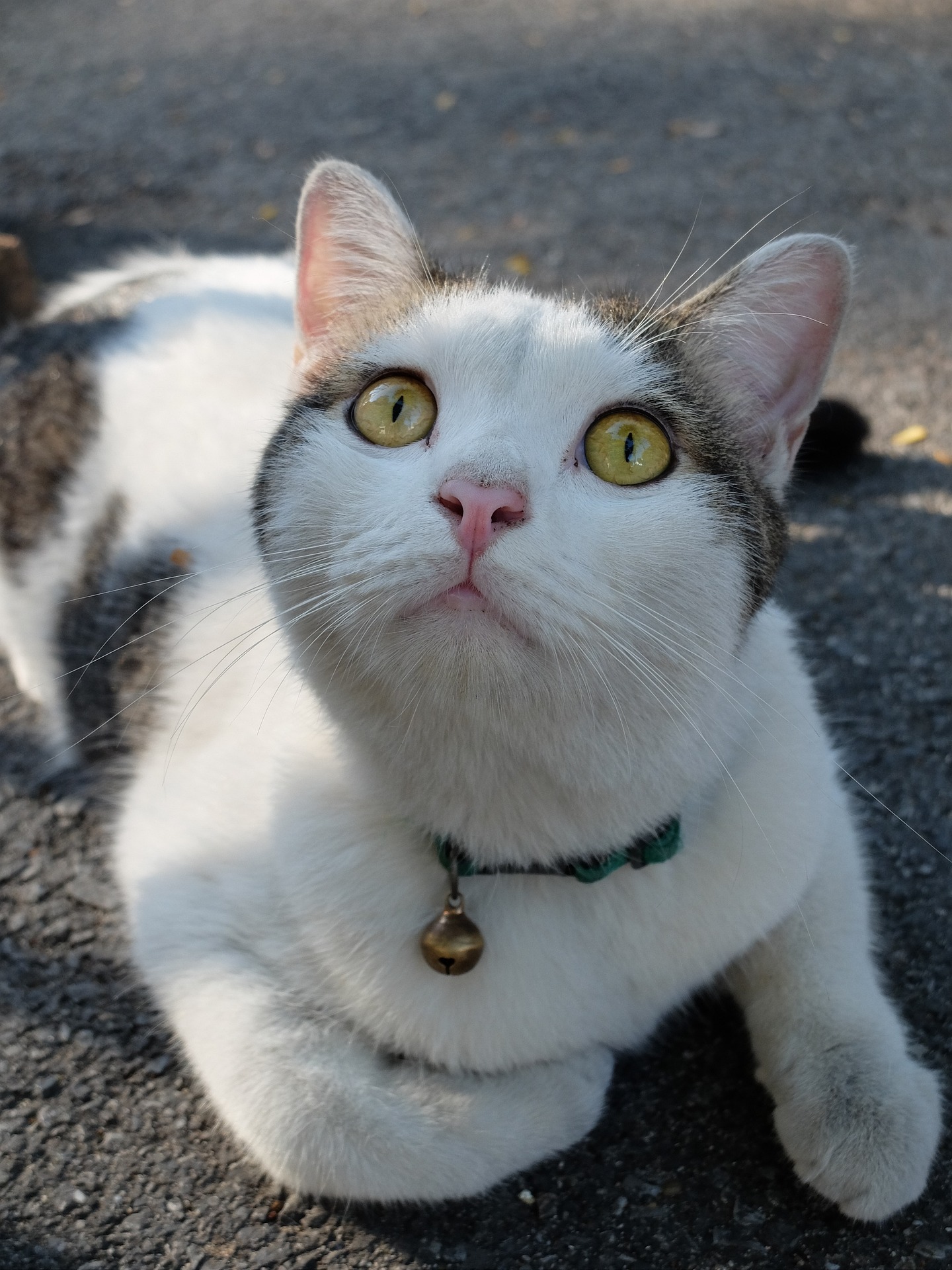
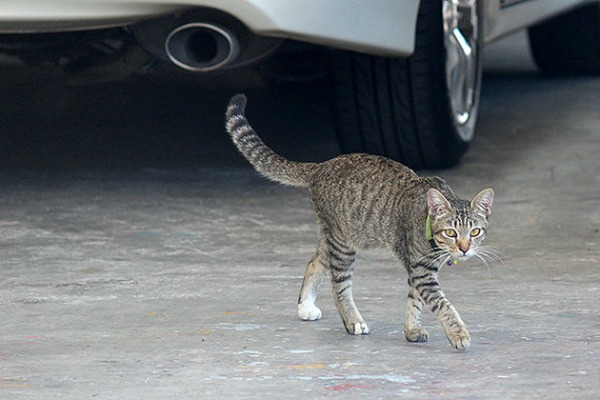
During a visit of Thailand, you will doubtlessly see many cats and dogs on the roads, in store fronts, and near the temples. While a large number of these pets have collars and thus owners, plenty of others are left to fend for themselves. This is due to several factors:
Lack of spaying and neutering
A large number of communal cats are the result of allowing cats to breed unchecked. Unfortunately, the practice of spaying and neutering pets to control their population is not as widespread in Thailand as it is in some other countries.
In adherence to Thai Buddhist principles of karma, many locals believe that sterilizing animals could have a similar impact on individuals, rendering them incapable of bearing offspring. This lack of proper population control measures can lead to a rapid increase in the number of stray and feral cats.
However, with the passage of time, there is a noticeable shift in this perspective. The practice of sterilization is gradually gaining acceptance and becoming more prevalent.
Abandonment
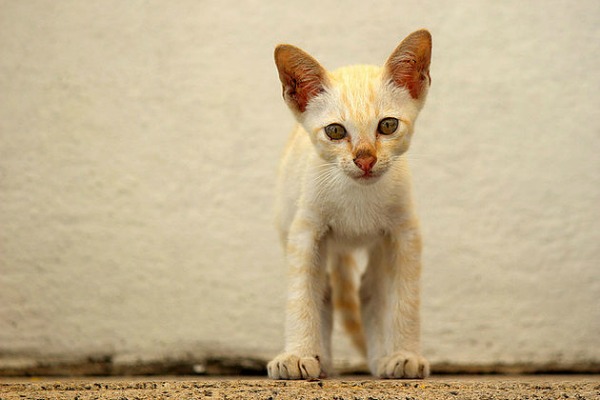
Many people abandon their cats once they’ve outgrown their cute kitten stage,
Left to fend for themselves, these stray cats frequently end up mating with one another. This leads to an exponential increase in the number of kittens born into an environment without proper care or support. This cycle perpetuates the challenges faced by these feline communities.
As such, we need to highlight the importance of responsible pet ownership and the need for measures to control their population and ensure their well-being.
Climate and environment
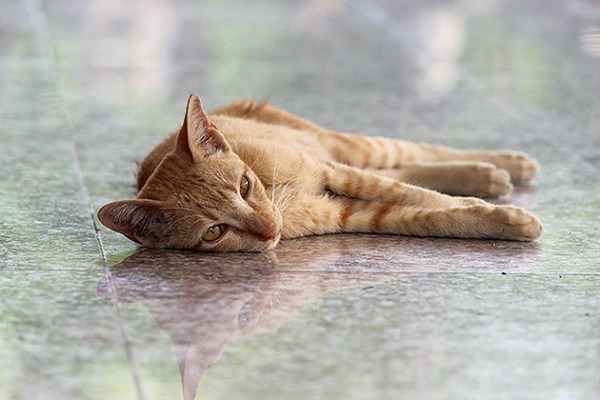
Thailand’s warm, tropical climate helps cats survive and reproduce. The favorable weather provides ample resources and suitable habitats. This contributes to the high number of cats in both urban and rural areas across the country.
Food sources
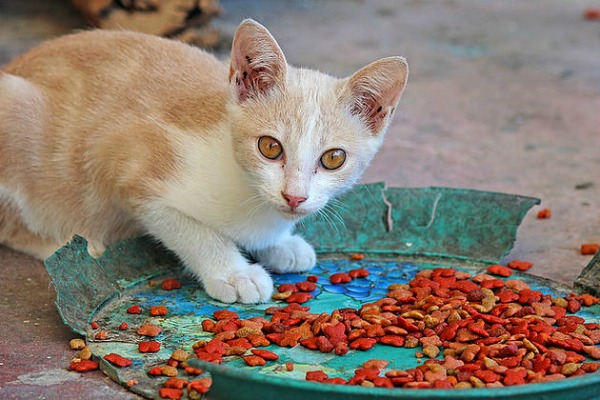
The cities and towns of Thailand provide a steady supply of scraps and waste. This attracts stray cats looking for something to eat. These clever felines are drawn to urban areas because of the plentiful discarded items, allowing them to scavenge and survive in busy human settlements. The easy access to food helps stray cat populations thrive in these cities.
Cultural and religious significance
Cats hold a special place in Thai culture and are seen as symbols of luck and prosperity. Thai folklore says that feeding and caring for cats can bring good fortune to households.
However, while some people do care for stray cats, it’s not always enough to control their population.
Despite their hardships, the majority of these communal cats and dogs are very friendly.
How to help the cats of Thailand?
While many well-intentioned tourists wish to assist communal cats by offering them food, doing so in the vicinity of hotels and restaurants can inadvertently lead to unfavorable outcomes for these animals.
Regrettably, they are often perceived as nuisances, and there is a belief that their presence might negatively affect customer satisfaction. Consequently, despite the good intentions, feeding the cats near such establishments might not be the most suitable approach to support their well-being. Finding alternative ways to help these feline communities without disrupting the hotel and restaurant industry becomes essential to strike a balance between compassion and practicality.
Yet there are many more ways in which you can help.
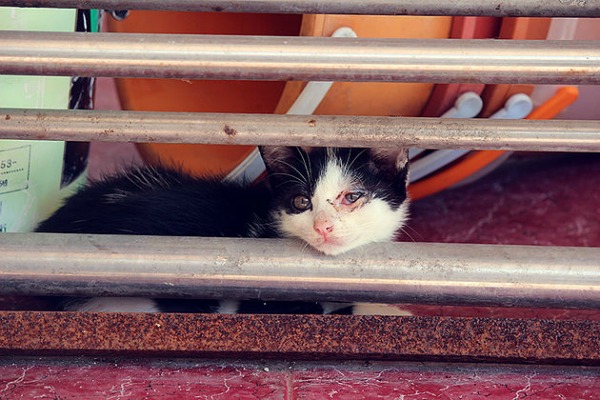
What to do if you find a sick or injured animal in Thailand?
If you encounter a sick or injured pet in Thailand, reaching out to the Soi Dog Foundation (081/788.4222) is a crucial step towards providing them with the help they need.
Their caring team will help ensure the distressed animal gets the medical attention it needs from skilled vets. They work hard to nurse these animals back to health and give them a chance at a better life.

How to support the Soi Dog Foundation?
There are several ways to support the Soi Dog Foundation’s important work:
- Volunteer: Offer your time and skills for animal care or administrative tasks.
- Donate: Financial contributions help fund medical care, rehabilitation, and ongoing animal protection efforts.
- Foster and adopt: Provide a temporary or permanent home to a rescued animal if you live in the area.
- Fundraise: Organize or join events to raise awareness and funds for the foundation.
- Spread awareness: Share the foundation’s mission and successes on social media and in conversations to inspire others.
By getting involved with the Soi Dog Foundation, you can make a real difference in the lives of many animals and help fight against animal suffering.
Guided tours
If you want to know more about the Soi Dog Foundation, you can visit their facility in Phuket. They offer guided tours four times a day. You’ll see the cat and dog hospitals where over 700 animals are being cared for. The guides will share heartwarming stories of recovery and explain the foundation’s fight against the dog meat trade in Asia.
Conclusion
Have you ever visited Thailand? How did you help the communal cats and dogs?
If this article moved you, and you wish to contribute to the well-being of these cats, then help us spread the word on social media. Share this article with your fellow animal-loving friends, so we can collectively raise awareness about how to properly care for our feline friends in Thailand. Together, we can make a difference and ensure these furry companions receive the love and attention they deserve.
Catherine Lawrence found her passion for photography at a young age, inspired by her love for her own cats. She wanted to capture them in the best way possible, which pushed her to improve her photography skills. She experimented with composition, lighting, and depth of field, developing her unique style.
As time went on, Catherine explored other areas of photography. She enjoyed the challenge of capturing unusual situations and subjects, finding beauty in the ordinary. Her work has been used in brochures, ad campaigns, and online publications for various companies. She also directed photo shoots in studios and on location, working with talented photographers.
Read next: The best cat cafés of Thailand

English version / version française
Pin this!