Skip to content
Last Updated on 17 June 2025 by Vanessa
In the fall, especially with Halloween around the corner, it can be nice to stroll through a cemetery to soak up the creepy atmosphere. If you’re in Tokyo, you may want to visit the Aoyama Cemetery. Not only does it contain the graves of many notable Japanese, but it’s also the home of many stray cats that never fail to greet cat-loving tourists.
Do you want to know more about Aoyama Cemetery and its cats? Then dive right in.
Meet the cats of Aoyama Cemetery
A short history of Aoyama Cemetery
Aoyama Cemetery (Aoyama Bochi) in Tokyo was established in 1872 during the Meiji era. This was a time of rapid change, as Japan modernized and adopted Western influences.
The cemetery was one of Japan’s first Western-style burial grounds. Think open layouts, individual graves, and Western-style tombstones.
Today, it’s one of Tokyo’s largest and most prestigious cemeteries. It covers over 65 acres and blends orderly graves with tree-lined paths and open lawns. It’s both a historic site and a quiet place to reflect.
Who is buried at Aoyama Cemetery?
Aoyama Cemetery is the burial site of many historical figures from Japan’s modern era. These include writers, political activists, religious thinkers, and even a famous dog. Here are some of the most noted graves:
-
Natsume Soseki: A key figure in early modern Japanese literature. He is known for novels such as Kokoro, Botchan, and I Am a Cat.
-
Hachikō: The dog known for waiting at Shibuya Station every day for his deceased owner, Professor Hidesaburō Ueno. After his death, Hachikō’s ashes were buried beside Ueno’s grave in Aoyama Cemetery. His story has inspired a movie titled Hachi: A Dog’s Tale (2009), starring Richard Gere.
-
Yukio Mishima: A novelist and playwright who was also known for his right-wing political views and his dramatic suicide by seppuku after a failed attempt to incite a coup.
-
Uchimura Kanzo: A writer and religious thinker who promoted a form of Christianity independent of organized churches. He led what became known as the “no-church” movement and was influential in shaping Japanese Protestant thought.
-
Koga Tadao: A journalist and politician involved in Japan’s early socialist movement. He co-founded the Social Democratic Party of Japan and supported labor rights and political reform during the Meiji period.
Read next: This photographer spent years following cats in Japan, and the results are purrfection!
Cats of Aoyama Cemetery
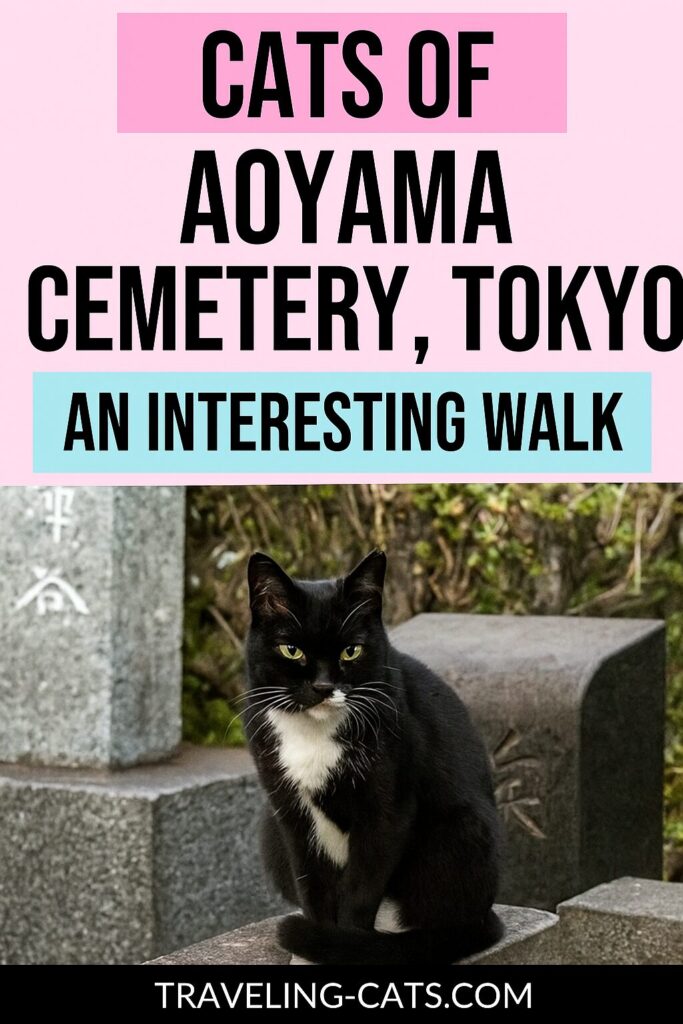
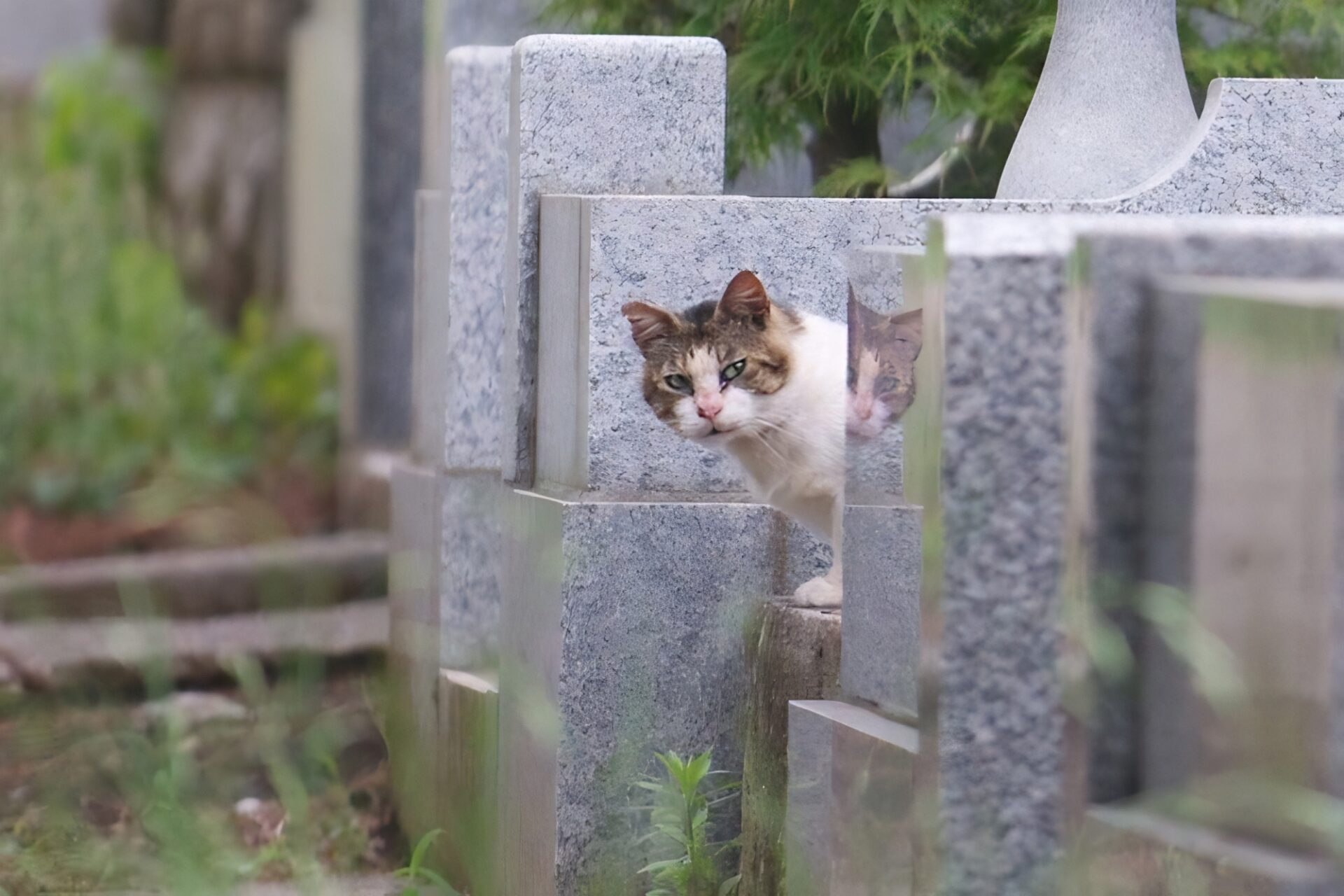
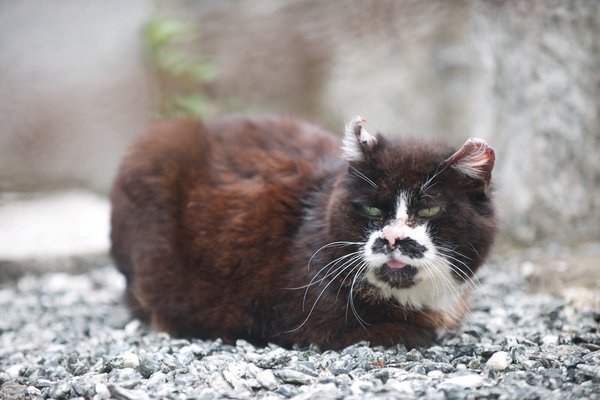
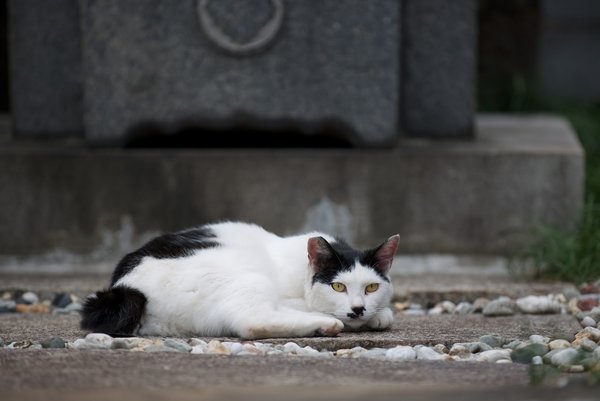
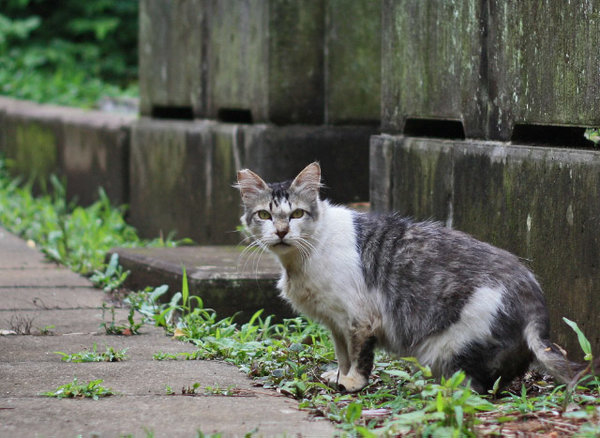
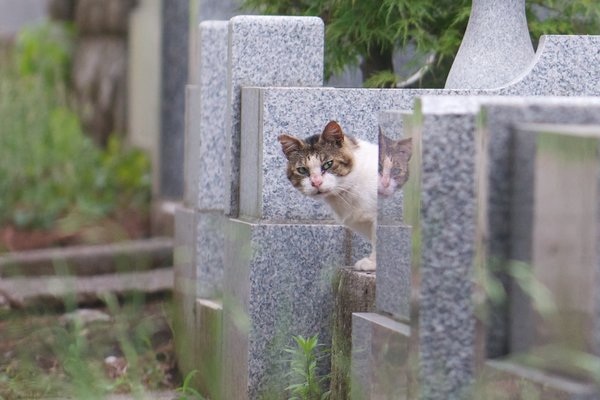
While Hachikō may be the most famous four-legged resident of Aoyama Cemetery, it’s the cats that truly run the place. All around the quiet paths and shaded tombs, you’ll spot their sleek shapes slipping through the trees or lounging on warm stone.
No one owns these cats, but they’re not completely on their own, either. Cemetery staff and visitors often leave out food and water. Some locals even organize volunteer efforts to help manage the cat population, including sterilization programs to keep their numbers in check.
That said, these are still stray cats. They aren’t pets, and they come and go as they please. Some are friendly. Others are shy. However, all of them have found a strange kind of home among the graves.
If you visit (and you should—it’s peaceful and beautiful), show the cats some love by keeping your distance and respecting their space. Don’t try to pet or feed them unless you’ve checked with staff.
Think of yourself as a quiet guest in their mysterious little kingdom.
Read next: Visiting Yanaka Cemetery near Tokyo’s “Cat Town”
Practical info for visiting Aoyama Cemetery
Thinking of visiting the cats of Aoyama Cemetery? Here’s everything you need to know to make that happen.
Address
2 Chome-32-2 Minamiaoyama, Minato City, Tokyo 107-0062, Japan
Opening hours
Open 24/7.
Getting there
- Train: Take the train to Aoyama-itchome Station. From there, walk southeast along Gaien Higashi Street. The cemetery entrance is about 10 minutes away on foot.
- Metro: Hop on the Chiyoda Line and get off at Nogizaka Station. Walk northeast along Gaien Nishi Street for around 10 minutes to reach the entrance.
- Bus: Look for buses stopping at “Aoyama Reien” or “Aoyama Bochi” (青山霊園 / 青山墓地). These lines are run by Toei and other local services.
Best times to visit (especially for cat spotting)
If you’re hoping to spot some of the cats, aim for late afternoon or early evening when the weather is mild (cats tend to be more active when it’s cooler and calm). Weekdays are best if you want a quieter experience without the weekend crowds.
The cats are shy and unpredictable, so take your time, walk slowly, and observe quietly.
And while it might be tempting to offer them a snack, always check with staff before feeding any animals.
Read next: Visiting Temari No Ouchi, the best cat cafe in Tokyo, Japan
Final thoughts
Have you ever spotted cats hanging out in a cemetery? Maybe in Paris, Buenos Aires, or elsewhere? I’d love to hear about it. Drop your favorite cat-sighting stories in the comments!
And if this little guide to Aoyama Cemetery’s feline residents made you smile (or gave you wanderlust), share it with your friends or on social media. Who doesn’t love a good cat-in-a-cemetery story? 😸🪦
In the mood for something spooky?
If wandering through Aoyama Cemetery has you craving something eerie, grab a copy of Drowned Sorrow. It follows Megan Blackwood and her daughter Jenna as they retreat to a remote village in Connecticut after a family tragedy. But this quiet town hides a chilling secret: when the rain falls, the villagers turn violent. Also, something sinister waits beneath the lake. It’s haunting, mysterious, and the perfect creepy read to keep the cemetery vibes going.

Pin this article about the Aoyama Cemetery cats!