Last Updated on 26 September 2025 by Vanessa
Have you ever been to Hungary? If you have, you might have seen a lot of stray and abandoned cats there. But why is that happening, and – even more importantly – how can we help the stray cats in Hungary? And can you bring a stray cat back to your country? Traveling Cats had a chat with Macskavilág Alapítvány (Cat World Foundation) to get the lowdown on these questions.
Stray cats in Hungary: everything you need to know

Why are there so many stray cats in Hungary?
“The stray cat situation in Hungary is quite serious, and we feel that it’s getting worse every year,” says Zoltán Szépvölgyi, founder of Macskavilág Alapítvány.
“It is estimated that there are at least three million stray cats in Hungary, which, unfortunately, is a realistic figure. This alarming increase is primarily due to the lack of neutering, leading to continuous and unwanted breeding.”

Why is spaying and neutering stray cats so important?
“If left unspayed or unneutered, a cat can potentially have three litters per year, with an average of four to six kittens per litter. This means that a single unfettered cat could produce around 12 to 18 kittens in a year,” says Zoltán.
“Kittens typically reach sexual maturity between five and nine months of age. Once they reach maturity, they can start reproducing and having their own litters.”
“This is why controlling the population of stray and feral cats through spaying and neutering is crucial to prevent overpopulation and reduce the number of homeless cats. Spaying and neutering can help control the cat population.”

“Additionally, neutering can contribute to the well-being of individual cats by reducing the risks of certain health issues, in particular the spread of the two dreaded cat diseases, FIV (feline AIDS) and FeLV (feline leucosis), which really endanger the lives of outdoor cats,” says Zoltán.
“FIV and FeLV are viral infections that primarily spread through direct contact between cats, such as through bites, grooming, or sharing food and water bowls. Male cats that haven’t been neutered are often more territorial and engage in aggressive behaviors, increasing the likelihood of FIV transmission through bites during fights.”

How can we increase neutering for stray cats in Hungary?
“Unfortunately, this issue is still not taken seriously enough at the state level. However, it is important to address it,” says Zoltán.
To tackle the issue of stray cats and promote responsible feline population control, the Hungarian government could consider implementing the following measures:
Trap-Neuter-Return (TNR) programs
Support and promote TNR programs, where feral cats are trapped, spayed or neutered, and then returned to their original location. This humane approach helps control the population without euthanizing healthy animals.
These programs could provide low-cost or free services to encourage more people to participate.
Public awareness campaigns
Launch public awareness campaigns to educate the public about the importance of spaying and neutering pets, as well as the impact on controlling the stray cat population.
These campaigns could include information on the benefits of responsible pet ownership and the consequences of abandoning animals.
Education in schools
Integrate animal welfare education into school curricula to instill a sense of responsibility and compassion towards animals from an early age. This could include information on the importance of spaying and neutering to control the stray population.
Financial support
Provide financial incentives or subsidies to veterinarians and clinics that offer spaying and neutering services, making these procedures more accessible and affordable for pet owners, particularly those with limited financial resources.
Legislation and regulations
Strengthen and enforce regulations related to responsible pet ownership, including mandatory spaying and neutering for certain situations or populations.
Collaboration with NGOs
Work closely with non-governmental organizations (NGOs) and animal welfare groups that specialize in spaying and neutering initiatives. Collaborative efforts can amplify the impact of such programs and ensure a more comprehensive approach.
Public-private partnerships
Encourage partnerships between the government and private sector entities to fund and implement large-scale spaying and neutering initiatives. Collaboration with businesses, foundations, and individuals can contribute resources and expertise to the cause.

Why does responsible animal husbandry matter?
“It’s crucial to educate people about responsible animal husbandry from an early age,” emphasizes Zoltán.
“Responsible animal husbandry is all about taking good care of animals. It means making sure they have the right food, a comfy place to live, and regular check-ups with the vet to keep them healthy.
It also involves understanding what makes them happy and trying to reduce anything that might stress them out.
Responsible cat care includes being mindful of how many kittens are born, so there aren’t too many and everyone stays healthy. It’s about treating animals nicely, considering the environment, and making choices that are good for both people and the cats, whether they’re in the countryside, in a cozy home, or in the streets.”

How has Hungary’s cat culture evolved?
“The increase in the number of animal welfare organisations in Hungary is certainly a positive step. However, the lack of neutering and the low standard of animal care practices remain challenges,” says Zoltán.
“I’m pleased to see progress on this front. A few decades ago, Hungary had a strong dog culture. But nowadays, more and more people are becoming concerned about animal welfare, and there’s a growing community of cat lovers.”
What to do if you find a stray or injured cat in Hungary?
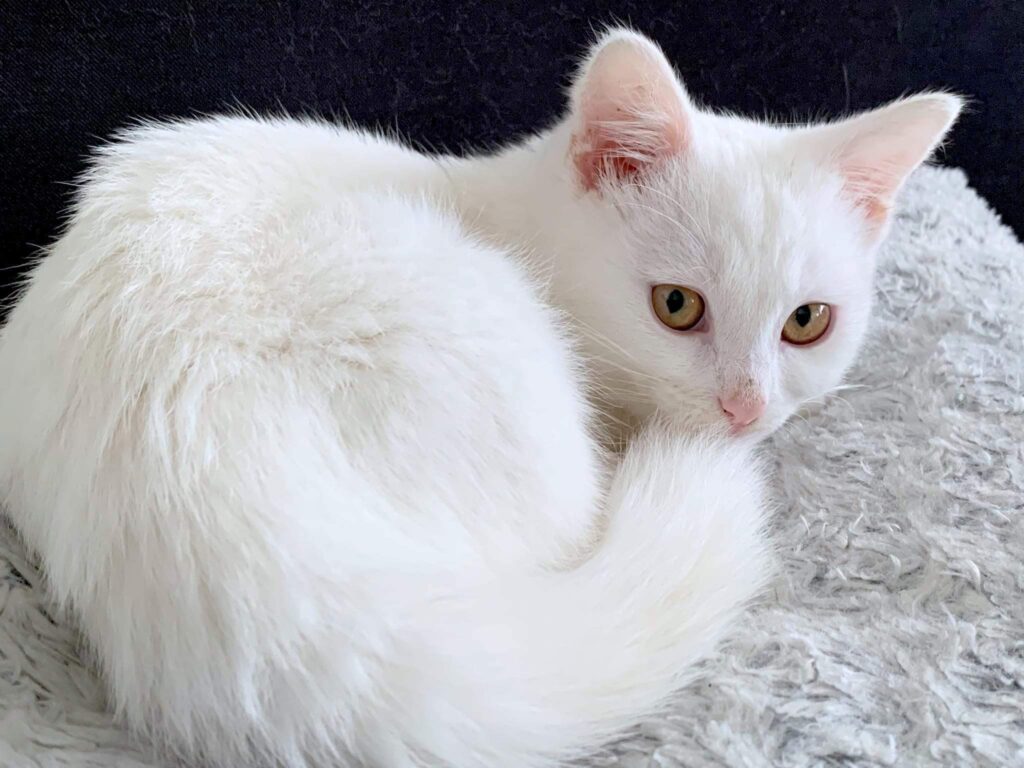
“If you come across a stray or injured cat, your first move should be getting in touch with a vet,” advises Zoltán.
“If that’s not possible, reaching out to one of the animal shelters online, including Macskavilág Alapítvány, is a good alternative.”

Can you take a stray cat home from Hungary?
Yes, you can take a stray cat home from Hungary.
“If you come across a stray cat you’d like to adopt, reach out to local animal shelters, rescue groups, or vet clinics for assistance,” Zoltán. “They’ll guide you through the adoption process, ensure the cat is healthy, and assist with vaccinations and paperwork. Adopting a stray cat is a wonderful way to help a cat in need.”
“If you plan to take the cat abroad, you’ll need a microchip, a passport, and the right vaccinations. Macskavilág Alapítván can help you with that.”
“If you’re short on time before returning to your home country, Macskavilág Alapítván can also assist in getting the kitten ready. We’ve personally delivered cats to their owners,” says Zoltán. “For instance, we’ve transported cats to Dresden or Gothenburg.”
Macskavilág Alapítvány is always ready to aid in the adoption process. Feel free to contact them directly. While their website is in Hungarian, they do speak English.
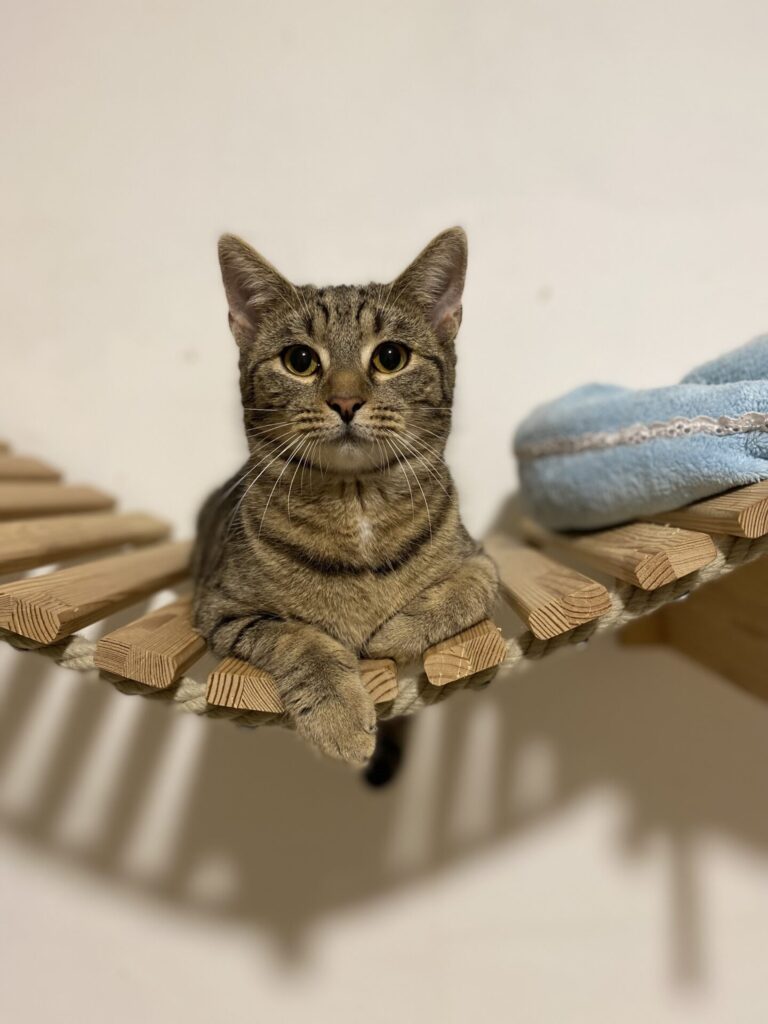
You might also want to think about adopting directly from Macskavilág Alapítvány. They typically have around 25 to 30 cats in need of an owner at any given time.
“Anyone who meets our criteria can adopt from us. We provide a contract for the kittens, and usually, a donation of 25-30 thousand HUF (approximately 65 euros or 70 USD) is suggested for a neutered, fully vaccinated, and parasite-free cat,” explains Zoltán.
“We expect a lot from the owners. However, I believe our expectations are reasonable. We have several cats living abroad in Austria, Germany, Sweden, Denmark, and the UK.”
Have you adopted a stray cat from Hungary? Consider giving it one of these typically Hungarian cat names.

About Macskavilág Alapítvány (Cat World Foundation)
Macskavilág Alapítvány was set up in 2011 to deal with the increasing number of stray cats in Hungary. Their main goal is to stop more stray cats from being born, reduce the suffering of those living in tough situations, and prevent the spread of cat diseases.
Before officially starting Macskavilág Alapítvány, the founders spent several years rescuing and taking care of stray cats. They used their own money and got help from foreign organizations at the beginning.
Over the last ten years, they’ve managed to spay or neuter over 1,000 cats. They’ve also found homes for at least 500 cats by making sure they get vaccinations and spaying/neutering (especially for kittens).

When it’s not necessary to remove the cats from their colonies, the foundation follows the “TNR” program, where they spay or neuter cats and then return them to their original living spaces.
The cats they do rescue aren’t kept in typical shelter conditions but in open, heated spaces.
They work hard to make sure the cats are healthy and well-adjusted before being adopted into loving homes.
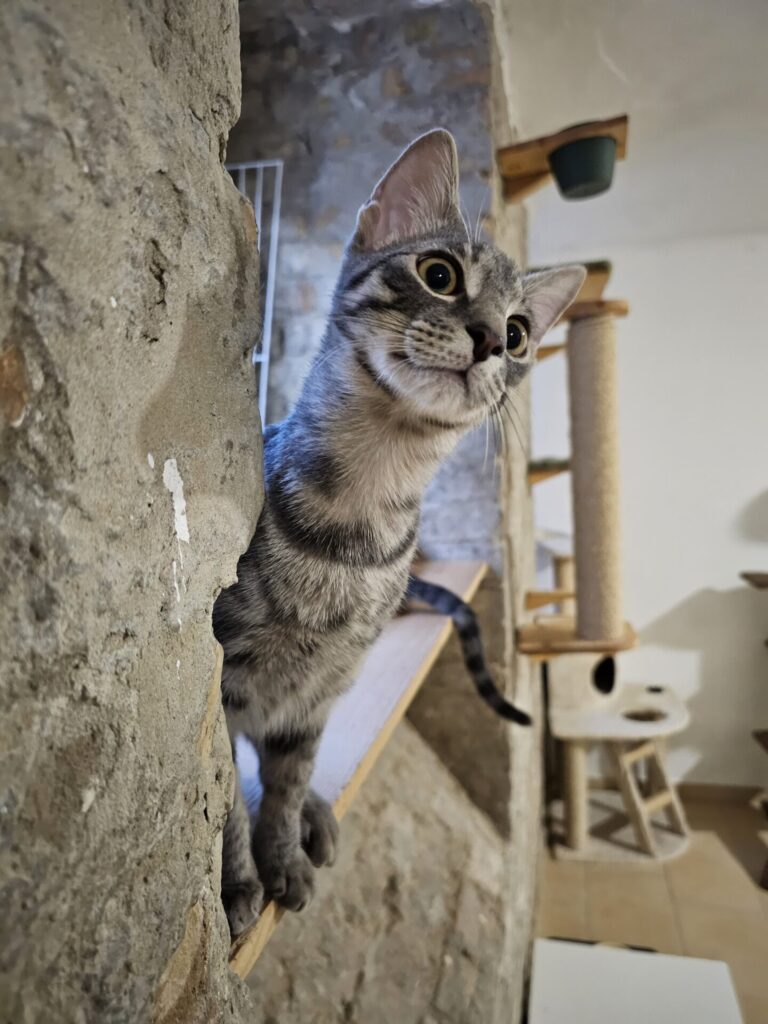
The foundation not only focuses on helping cats but also aims to spread the idea of responsible pet ownership.
They’ve run educational campaigns, been on the radio, and participated in exhibitions to make sure people, even from a young age, understand how important it is to take care of pets responsibly.
They are also the founders of Cat Café Budapest which houses many former stray cats rescued by the foundation.
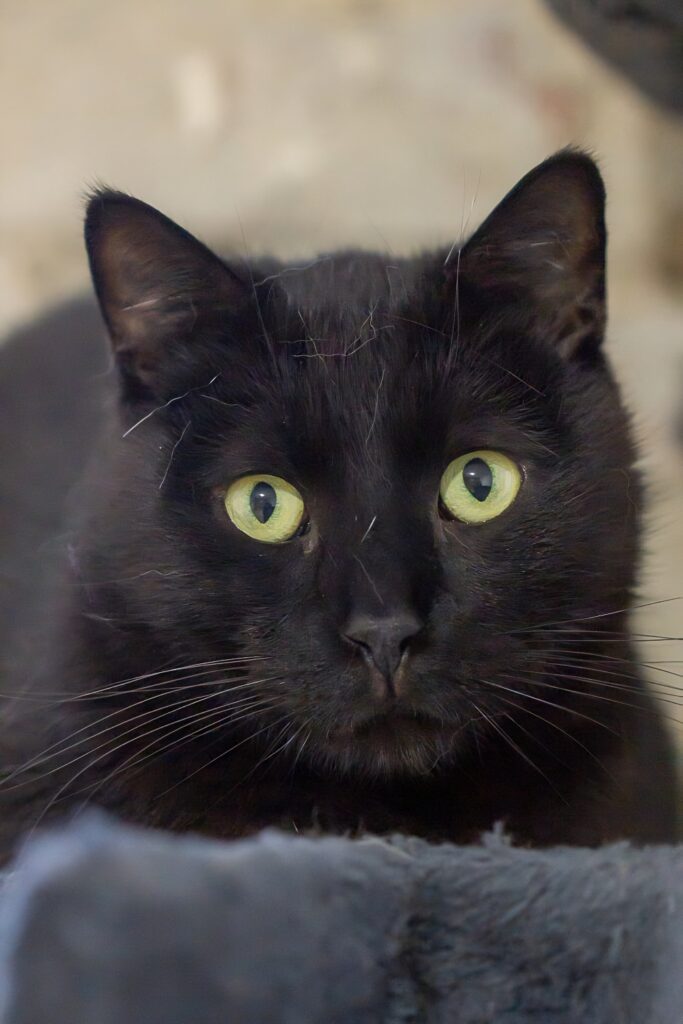
Donations are the most welcome, because the veterinary costs are very high and constant.
“Donations can be made by bank transfer and via Paypal, but we are also very happy to receive any donations of material goods or new cat owners,” says Zoltán.
“We thank you very much for your donations on behalf of the cats!”
Final thoughts
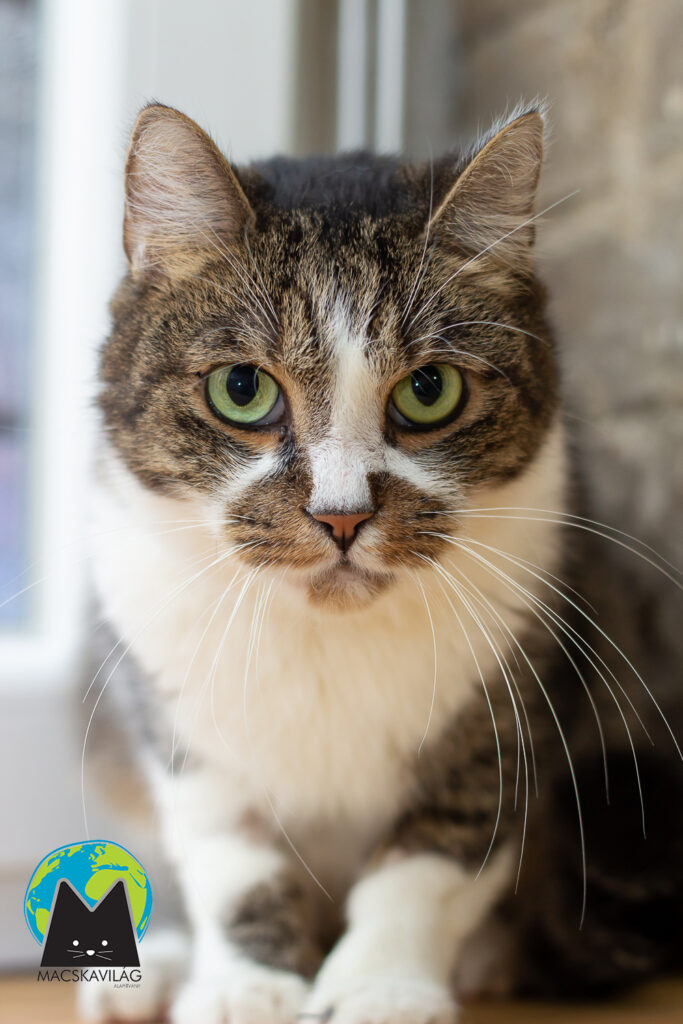
The situation with stray cats in Hungary is tough due to reasons like a lack of neutering and eduction. Macskavilág Alapítvány is doing a great job trying to fix this through TNR and finding responsible homes for cats.
Every bit helps. You can support them by donating, adopting a cat, or even just by sharing this article with your friends or on social media.
Together, we can spread the word, take care of these stray cats, and maybe even find them loving homes. Your involvement can really make a difference for these cats in need.

English version / version française
Pin this article about stray cats in Hungary!